Yes, the bottled water business in India can be profitable. But it’s not the kind of business where profit comes easily or quickly. It works on volume, efficiency, and strong distribution. If these three things are handled well, the business can generate steady income for years. If not, margins shrink fast and survival becomes difficult.
India’s growing population, urban lifestyle, and concerns about water quality have made packaged drinking water a daily need. From railway stations to offices, from weddings to roadside shops, bottled water is everywhere. This constant demand creates a strong base for the business. But demand alone doesn’t guarantee profit. Execution matters more.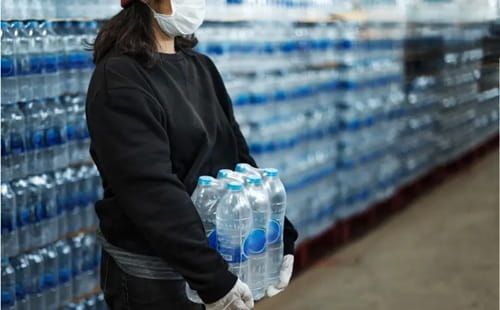
Why Demand is So Strong in India
The biggest advantage of this business is simple—people need clean drinking water every day. In many cities and towns, tap water is not trusted. This has made bottled water a regular purchase instead of a luxury.
Demand comes from multiple sources:
- Households (20-litre jars)
- Offices and companies
- Restaurants and hotels
- Events, travel, and tourism
Even in small towns, packaged water usage is rising. People now prefer paying a little extra for safety and convenience. This shift in mindset has helped the industry grow consistently over the years.
Understanding Profit Margins
At first glance, the profit margins in bottled water look attractive. But the reality is more practical.
- Average margin: 10% to 30%
- Retail bottle margin: 20% to 50%
- Bulk supply margin (jars): can be higher due to repeat orders
However, the profit per bottle is small. For example, if you earn ₹2–₹3 per bottle, you need to sell thousands daily to make real money.
This is why this business is often called a volume-based business. The more you sell, the more you earn.
Initial Investment Required
Compared to many small businesses, this one requires higher capital. You need proper machinery, water source, and licenses before you even start selling.
Small Scale Plant
- Investment: ₹15 lakh to ₹25 lakh
- Focus on 20-litre jars and limited bottles
Medium Scale Business
- Investment: ₹25 lakh to ₹50 lakh
- Bottles + jars + wider distribution
Large Scale Setup
- Investment: ₹50 lakh to ₹2 crore+
- Automated machines + branding + large network
Major costs include:
- RO purification plant
- Borewell or water supply system
- Bottling machinery
- Storage tanks
- Packaging materials
- Licensing and setup
This is not a low-budget business. Proper planning is required before entering.
Monthly Expenses That Affect Profit
Many people focus only on sales but ignore expenses. In this business, expenses can eat a large part of your income.
Key monthly costs:
- Electricity (very high due to machines)
- Labor salaries
- Bottle and cap costs
- Labels and packaging
- Transportation and fuel
- Maintenance of machines
Plastic bottle cost is one of the biggest expenses. If raw material prices rise, your profit immediately drops.
So even if sales are high, poor cost management can reduce your earnings.
What Makes This Business Profitable
Not every bottled water plant earns well. The successful ones follow a clear system.
1. High Daily Sales Volume
Selling small quantities will not work.
- 100–200 bottles/day → very low profit
- 1,000–3,000 bottles/day → decent income
- 5,000+ bottles/day → strong profitability
Volume is everything here.
2. Strong Distribution Network
Production alone is not enough. You need a solid supply chain.
Key channels:
- Local retail shops
- Supermarkets
- Restaurants and cafes
- Offices and institutions
- Event suppliers
The more places you supply, the more stable your income becomes.
3. Focus on 20-Litre Jar Business
This is the backbone of many small water businesses.
Why it works:
- Regular customers (weekly deliveries)
- Lower packaging cost
- Stable income
Many businesses survive mainly on jar supply because it brings consistent orders.
4. Efficient Operations
Efficiency decides your profit.
- Less water wastage
- Lower electricity usage
- Faster production
A well-managed plant produces more at lower cost, increasing margins.
5. Branding and Positioning
Local unbranded water sells cheaper. Branded water sells at higher prices.
If you invest in:
- Clean packaging
- Attractive labels
- Good reputation
you can charge slightly higher and earn better margins.
How Much Can You Earn?
Let’s understand with a simple example.
If you sell:
- 2,000 bottles daily at ₹10
Monthly revenue ≈ ₹6 lakh
After expenses:
- Profit can be around ₹2 lakh to ₹3 lakh (depending on efficiency)
If you add jar supply and bulk contracts, income can increase further.
Large plants with strong distribution can earn significantly more.
Challenges You Should Be Aware Of
This business has clear advantages, but also serious challenges.
1. Heavy Competition
The market already has big brands like
Bisleri,
Kinley, and
Aquafina.
Along with them, many local players exist in every city. Competing with both is not easy.
2. Price Sensitivity
Most customers choose based on price. Even a ₹1 difference can affect your sales.
So you cannot increase prices freely.
3. High Setup and Running Costs
Initial investment is high, and ongoing costs are also significant. Without good sales, recovery takes time.
4. Legal and Licensing Requirements
You need proper approvals like:
- BIS certification
- FSSAI license
- Local government permissions
Operating without these can lead to shutdown.
5. Quality Control
Water quality must remain consistent.
If customers lose trust:
- They stop buying immediately
- Your brand reputation gets damaged
In this business, trust is everything.
Is It Better Than Other Businesses?
Advantages
- Daily essential product
- Repeat customers
- Scalable business
- Works in both cities and small towns
Disadvantages
- High investment
- Low margin per unit
- Strong competition
- Dependence on volume
So it is not a quick-profit or low-risk business, but it offers long-term stability.
Practical Tips to Increase Profit
- Focus more on jar supply for stable income
- Build strong relationships with retailers
- Avoid unnecessary expenses
- Maintain consistent quality
- Use simple branding to stand out
- Start small and expand gradually
These steps can improve your chances of success.
Final Verdict
The bottled water business in India offers real profit potential, mainly because demand is constant and growing. But this is not an easy business. It requires investment, planning, and strong execution.
If you:
- Build a good distribution network
- Maintain quality
- Control costs
- Focus on volume
then this business can give steady and scalable income over time.
In simple terms, success in this field is not about selling water. It is about running an efficient system that delivers clean water consistently at the right price.