Yes, the dry cleaning business in India can be profitable. It’s one of those service businesses that quietly runs in the background but earns steady money month after month. People don’t always think about it, but when they need it, they need it urgently. That urgency, combined with repeat demand, makes it a strong business if managed properly.
India’s urban lifestyle has changed a lot. More people wear formal clothes, expensive fabrics, and occasion outfits that cannot be washed at home. At the same time, busy schedules mean people prefer outsourcing cleaning work. This shift has created a consistent and growing demand for dry cleaning services.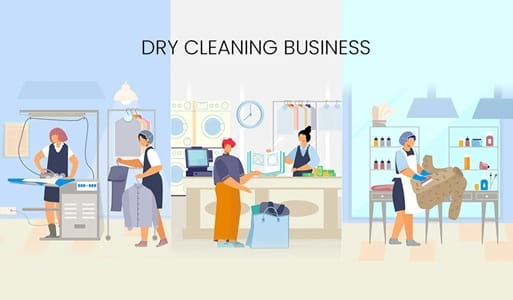
Why Demand is Strong
The basic reason this business works is simple—certain clothes cannot be washed at home.
Demand comes from:
- Office workers (formal wear)
- Wedding and party clothing
- Expensive fabrics like silk, wool, and suits
- Hotels and hospitality businesses
In cities, dry cleaning has become a regular service, not just an occasional one. Many customers use it monthly or even weekly.
Types of Dry Cleaning Businesses
Profit depends on how you position your business.
1. Local Dry Cleaning Shop
- Basic services
- Moderate pricing
- Regular walk-in customers
2. Premium Dry Cleaning Service
- High-end fabrics
- Better pricing
- Focus on quality
3. Pickup and Delivery Model
- Doorstep service
- Higher convenience
- Growing trend
4. Franchise Model
Brands like
UClean and
Tumbledry
offer franchise opportunities.
- Established systems
- Faster setup
- Brand support
Each model has different investment and profit levels.
Profit Margins in Dry Cleaning Business
Margins are generally healthy because it’s a service-based business.
- Average margin: 30% to 50%
- Premium services: up to 60%+
Example:
- Cost to clean a shirt: ₹20–₹30
- Selling price: ₹80–₹150
The difference becomes your profit after expenses.
Initial Investment Required
Investment depends on scale and equipment.
1. Small Setup
- ₹2 lakh to ₹5 lakh
- Basic machines and setup
2. Medium Setup
- ₹5 lakh to ₹15 lakh
- Better machines and capacity
3. Premium Setup
- ₹15 lakh to ₹50 lakh+
- Advanced equipment and branding
Major costs include:
- Dry cleaning machines
- Steam press equipment
- Shop setup
- Chemicals
Monthly Expenses You Should Consider
Expenses need careful control.
- Rent (if shop-based)
- Staff salaries
- Electricity
- Cleaning chemicals
- Maintenance
Electricity and rent are usually the biggest expenses.
What Makes This Business Profitable
1. Repeat Customers
This business thrives on repeat usage.
- Regular office wear cleaning
- Frequent customers
- Subscription plans possible
2. Strategic Location
Location plays a big role.
Best areas:
- Residential societies
- Near offices
- Busy markets
Visibility and convenience increase customer flow.
3. Pickup and Delivery Service
Convenience increases demand.
- Customers save time
- Higher order value
- Competitive advantage
4. Quality and Trust
Customers trust you with expensive clothes.
- No damage
- Proper cleaning
- On-time delivery
Trust leads to long-term customers.
5. Additional Services
Extra services increase revenue.
- Steam ironing
- Laundry services
- Shoe cleaning
These services improve overall earnings.
How Much Can You Earn?
Let’s take a simple example.
If you handle:
- 30 orders/day at ₹100
Daily revenue = ₹3,000
Monthly revenue ≈ ₹90,000
After expenses:
- Profit can be ₹30,000 to ₹60,000
With higher volume and premium services, income can increase significantly.
Challenges You Should Know
1. Initial Setup Cost
Machines can be expensive.
2. Quality Risk
Damage to clothes can lead to customer loss.
3. Competition
Local players and new startups increase competition.
4. Chemical Handling
Proper use of chemicals is necessary.
5. Customer Expectations
Customers expect perfect results every time.
Is It Better Than Other Small Businesses?
Advantages
- Repeat customers
- Stable demand
- Good margins
- Service-based (no inventory risk)
Disadvantages
- Requires equipment investment
- Quality-sensitive business
- Location-dependent
Compared to many businesses, dry cleaning offers steady income with manageable risk.
Practical Tips to Increase Profit
- Choose a high-demand location
- Offer pickup and delivery
- Maintain quality and consistency
- Build customer trust
- Add multiple services
- Start small and expand
Final Thoughts
The dry cleaning business in India sits in a unique space. It’s not flashy, and it doesn’t rely on trends. People may ignore it for weeks, but when they need it, they come back to the same trusted place. That’s where the real strength of this business lies.
If you focus on reliability, keep your operations clean and consistent, and make life easier for your customers, the business tends to grow quietly but steadily. Over time, small daily orders turn into a dependable income stream. It’s not about sudden big profits—it’s about building a service people rely on without thinking twice.