Yes, the jaggery (gur) business in India can be profitable. But it’s not just about making jaggery and selling it in bulk. Profit depends on quality, sourcing, processing method, and how you position your product in the market. Some farmers and traders earn average margins, while branded and organic sellers make much higher profits.
India is one of the largest producers of sugarcane, so raw material is easily available. At the same time, people are slowly shifting toward traditional and natural sweeteners, which increases demand for jaggery.
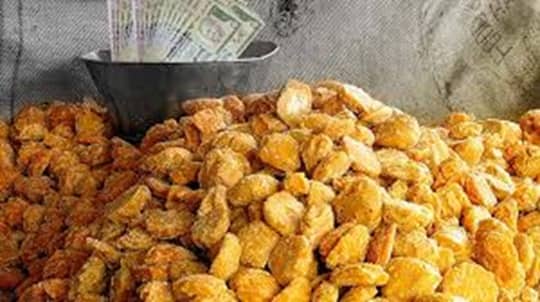
Why Demand is Growing
The reason is simple—people are moving toward healthier alternatives to sugar.
Demand comes from:
- Health-conscious consumers
- Ayurvedic and natural medicine users
- Sweet shops and food businesses
- Rural and traditional households
Jaggery is widely used in Indian kitchens, especially during winter. It’s also seen as a healthier option compared to refined sugar.
Types of Jaggery Businesses
Your income depends on the model you choose.
1. Jaggery Production (Gur Making)
- Use sugarcane to produce jaggery
- Requires setup and labor
- Higher control over quality
2. Wholesale Trading
- Buy from producers and sell in bulk
- Lower margin per unit
- High volume
3. Retail Selling
- Sell directly to customers
- Better margins
- Requires branding
4. Organic / Branded Jaggery
- Premium product
- Higher pricing
- Growing market
Many successful businesses combine production + branding.
Profit Margins in Jaggery Business
Margins vary depending on your model.
- Bulk jaggery: 10% to 20%
- Retail jaggery: 20% to 40%
- Organic/packaged jaggery: 30% to 60%
Example:
- Cost per kg: ₹30–₹40
- Selling price: ₹50–₹120
Branded jaggery powder and cubes can sell at higher rates.
Initial Investment Required
Investment depends on scale.
1. Small Production Unit
- ₹2 lakh to ₹10 lakh
- Basic setup and tools
2. Medium Unit
- ₹10 lakh to ₹30 lakh
- Machinery and labor
3. Trading Business
- ₹1 lakh to ₹5 lakh
- Inventory and transport
Main costs include:
- Sugarcane procurement
- Machinery or processing setup
- Labor
- Transportation
- Packaging
Monthly Expenses You Should Consider
Expenses can vary based on operations.
- Raw material (sugarcane)
- Labor cost
- Fuel for processing
- Transportation
- Storage
Production businesses have higher running costs than trading.
What Makes This Business Profitable
1. Quality of Jaggery
Pure, chemical-free jaggery sells better.
- Natural color
- Good taste
- No additives
2. Direct Selling
Selling directly increases profit.
- Local markets
- Online platforms
- Retail shops
3. Product Variety
More options = more income.
- Jaggery blocks
- Jaggery powder
- Flavored jaggery
4. Branding and Packaging
Modern packaging attracts urban customers.
- Hygienic packing
- Premium look
5. Seasonal Advantage
Production happens after harvest, but selling continues year-round.
How Much Can You Earn?
Example:
If you sell:
- 2,000 kg jaggery/month
- At ₹60 per kg
Revenue = ₹1.2 lakh
After expenses:
- Profit can be ₹30,000 to ₹60,000
With branding:
- Profit can increase significantly
Large-scale businesses earn much more.
Challenges You Should Know
1. Seasonal Production
Depends on sugarcane harvest.
2. Price Fluctuation
Sugarcane and jaggery prices change.
3. Storage Issues
Moisture can damage jaggery.
4. Competition
Many local producers exist.
5. Labor Dependency
Production requires manual work.
Is It Better Than Other Businesses?
Compared to businesses like gym or furniture, jaggery business is more traditional but stable.
Like the gym business, consistent quality and customer trust are key to long-term success .
And similar to the furniture business, branding and presentation can increase value and profit margins .
Advantages
- Strong demand
- Natural product trend
- Scalable
- Good margins with branding
Disadvantages
- Seasonal production
- Price fluctuation
- Storage challenges
Practical Tips to Increase Profit
- Focus on chemical-free production
- Create branded packaging
- Sell jaggery powder (high demand)
- Build direct customer base
- Use online platforms
- Maintain proper storage
- Reduce middlemen
Final Perspective
The jaggery business in India is rooted in tradition, but it’s evolving fast. What was once a simple rural product is now becoming a premium health item in urban markets.
That’s where the real opportunity lies.
If you stay in bulk selling, profits will be limited. But if you focus on quality, branding, and direct selling, the same product can give much higher returns.
Start small, understand the market, and gradually move toward value-added products. Over time, this can grow into a stable and profitable business.