The need for efficient material handling continues to grow across warehousing, logistics, manufacturing, and distribution operations. Businesses regularly evaluate whether purchasing equipment is the most practical option or whether alternative procurement models can better support operational goals. Hiring a forklift allows organisations to access essential equipment without making a significant capital investment. As business needs evolve, many organisations view hiring as a practical way to maintain productivity while balancing financial and operational priorities.
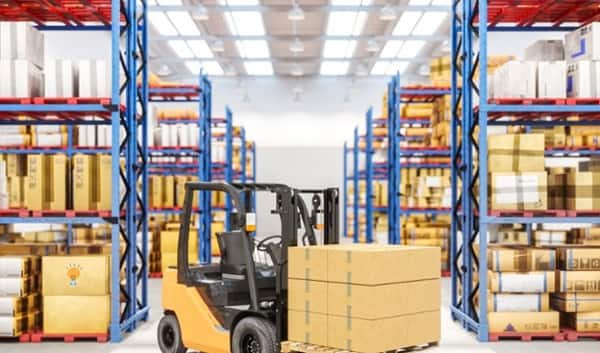
Lower Financial Commitment Compared to Ownership
Purchasing material handling equipment requires a substantial upfront investment. Beyond the purchase price, businesses must also budget for insurance, storage, routine servicing, and eventual replacement costs. These ongoing financial commitments can place pressure on budgets, particularly for organisations focused on growth and expansion.
Hiring equipment eliminates the need for major capital expenditure and converts equipment costs into more manageable operating expenses. This approach helps businesses retain financial flexibility while directing available funds towards workforce development, technology investments, facility improvements, and other initiatives that support long-term business objectives.
Greater Flexibility for Changing Operational Needs
Operational requirements often change due to seasonal demand, project-based work, inventory fluctuations, or business expansion. Organisations that own a fixed fleet may find it difficult to adjust capacity quickly when workloads increase or decrease over time.
Hiring enables businesses to scale equipment requirements according to actual operational needs. Additional units can be arranged during busy periods and returned when demand decreases. This flexibility helps organisations maintain productivity while avoiding unnecessary ownership costs and ensuring equipment availability aligns with demand.
Reduced Responsibility for Maintenance and Downtime
Owning equipment involves regular maintenance responsibilities, including inspections, repairs, parts replacement, and compliance checks. Managing these activities requires time, resources, and planning. Unexpected equipment failures can also disrupt operations and reduce productivity if immediate support is not available.
Hiring equipment can reduce much of this administrative burden because maintenance support is often included within rental arrangements. Service providers like Godrej RenTRUST often manage servicing and technical support as part of the rental arrangement. This allows operational teams to focus on core activities while helping minimise disruptions caused by equipment downtime.
Access to Equipment That Matches Current Requirements
Material handling operations vary significantly across industries and facilities. Factors such as load weight, aisle width, operating environment, and shift patterns influence the type of equipment required. A single equipment model may not be suitable for every application.
Hiring gives businesses access to equipment that matches their immediate operational needs. If business needs change, organisations can select a different model without facing the challenges associated with disposing of owned assets. This helps ensure equipment remains suitable for current tasks and workplace conditions.
Supporting Efficient Material Handling Operations
Businesses often prioritise operational continuity, and reliable warehouse equipment plays an important role in achieving this objective through:
- Improved Availability: Equipment can be sourced according to operational demand.
- Business Continuity: Replacement units may be arranged when required.
- Peak Season Support: Additional capacity can help manage temporary increases in workload.
- Operational Efficiency: Suitable equipment can support smoother material movement processes.
These advantages help organisations maintain productivity while adapting to changing operational requirements and customer expectations.
Avoiding Asset Depreciation and Replacement Challenges
Material handling equipment begins to lose value from the moment it is purchased. As equipment ages, businesses may face increasing maintenance costs, declining performance, and eventual replacement requirements. Managing these issues forms an ongoing part of equipment ownership.
Hiring removes many of these concerns because responsibility for asset value and replacement remains with the provider. Organisations can continue to access operational equipment without managing resale activities, replacement planning, or the financial impact of depreciating assets.
Better Cost Predictability for Business Planning
Managing operational costs effectively is important for businesses across all sectors. Equipment ownership can introduce unexpected expenses, including major repairs, component failures, and replacement purchases. These costs can make budgeting more difficult and affect financial planning.
Hiring arrangements often involve predefined costs, providing greater visibility over equipment expenditure. This predictability helps businesses forecast expenses more accurately, align spending with financial objectives, and plan future projects with greater confidence.
Conclusion
Many organisations choose a forklift-on-hire model, as it provides flexibility, predictable costs, and access to suitable equipment without the responsibilities of ownership. Hiring can help businesses adapt to changing workloads, reduce maintenance responsibilities, and avoid challenges associated with depreciation and equipment replacement. Reliable warehouse equipment remains essential for efficient material handling, and hiring offers a practical way to secure that capability when required. By carefully evaluating operational needs, businesses can select equipment solutions that support both productivity and long-term operational efficiency.