A company vehicle crash opens legal exposure that a personal car crash never carries, since the driver’s employer often shares the blame. Business owners assume a company car crash works just like any other crash. It rarely does. Employer liability, higher insurance limits, and additional rules for commercial vehicles can all enter the picture when an employee causes a collision while working. Whether the company shares responsibility depends on facts such as who owned the vehicle, what the driver was doing at the time, and whether the trip served the employer’s business. Liability questions addressed in the commercial liability lawyer resources published by Sutliff & Stout. An employee acting within the scope of employment can create a separate basis for pursuing the employer rather than limiting the claim to the individual driver.
What Counts as a Company Vehicle Crash?
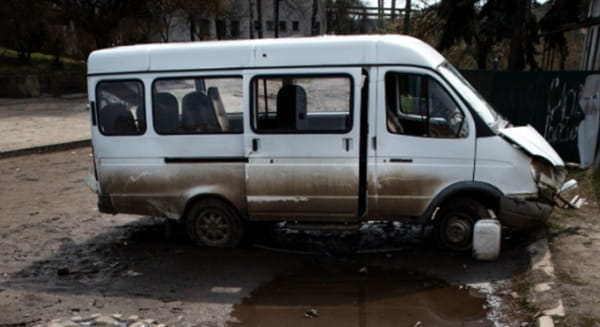
A company vehicle crash counts as any collision involving a car, van, or truck owned or leased by a business, driven by an employee during work duties. This includes delivery drivers, sales staff using a company car, and even an employee driving a personal car on a work errand in some cases. Insurance rules and liability rules shift once a vehicle is tied to a business rather than a private household. Sutliff & Stout reviews vehicle ownership and driving purpose closely in every claim, since this single detail can change who pays for the damage.
What Factors Decide Employer Liability?
The factors deciding employer liability are listed below.
Course and Scope of Employment: Course and scope describe whether the employee was doing work duties at the time of the crash. A delivery driver crashing mid-route falls inside this scope. The same driver crashing during a personal lunch trip may fall outside it, shifting liability back to the driver alone.
Vehicle Ownership: Vehicle ownership describes who legally owns the car involved. A business-owned vehicle usually places the business on the insurance policy directly. This ownership detail often decides which insurance company pays first after a crash.
Negligent Hiring or Training: Negligent hiring describes a business failing to properly screen or train a driver before putting them on the road. A company that ignores a driver’s past accident record can face added liability. This factor turns a simple crash claim into a deeper investigation of hiring practices.
Federal Trucking Regulations: Federal trucking regulations shows rules that apply specifically to larger commercial trucks. These rules cover driver hours, vehicle maintenance, and safety inspections. A violation of these rules can strengthen a claim against a trucking company significantly.
Insurance Policy Limits: Insurance policy limits describe how much coverage a business carries on its commercial vehicles. Business policies often carry much higher limits than a personal auto policy. Higher limits change how a serious injury claim gets valued and negotiated.
Is a Business Always Liable for an Employee’s Crash?
No, a business is not always liable for an employee’s crash. Liability depends heavily on whether the employee was working at the time, a legal idea called course and scope of employment. A business escapes liability more easily when an employee was clearly off duty, using the vehicle for a personal reason unrelated to work. Sutliff & Stout investigates driving purpose closely in every company vehicle case, since this single fact often decides which party actually pays.
How Does a Company Vehicle Claim Compare to a Personal Vehicle Claim?
Placed side by side, the categories below outline how each type of claim actually works.
A company vehicle claim compared to a personal vehicle claim is shown in the table below.
| Category | Company Vehicle Claim | Personal Vehicle Claim |
| Liable Party | Often the business plus the driver | Usually the driver alone |
| Insurance Limits | Typically higher | Often at state minimums |
| Investigation Depth | Includes hiring and training records | Focused on the crash itself |
| Governing Rules | May include federal trucking rules | State traffic law only |
| Claim Value | Often higher due to coverage limits | Limited by personal policy size |
What Steps Follow a Company Vehicle Crash?
Steps that follow a company vehicle crash are listed below.
- Report the Crash to Police. Call police to the scene and get an official report filed. This report becomes the first piece of evidence in any future claim. Both the driver and the business benefit from an accurate, early record.
- Notify the Business Immediately. Inform the employer of the crash the same day it happens. Prompt reporting protects insurance coverage and starts the claims process early. Delayed reporting can create problems with the business’s own insurer.
- Document the Scene Fully. Photograph vehicle damage, the roadway, and any visible injuries before anything gets moved. These photos support a claim against a negligent driver or an unsafe business practice. Witness names gathered on scene add real weight later.
- Preserve Company Driving Records. Request the driver’s employment file, training records, and prior driving history be preserved. These records often reveal whether a business followed proper hiring and safety steps. Sutliff & Stout sends preservation letters early to stop records from disappearing.
- Contact a Commercial Vehicle Accident Attorney. Contact an attorney experienced with business vehicle claims as soon as possible. Legal counsel reviews ownership, employment status, and insurance coverage tied to the specific crash. Sutliff & Stout represents injured people across Houston hurt by company-owned vehicles.
What Does Top Firms Say About Company Vehicle Crashes?
Sutliff & Stout addresses the added complexity a business vehicle brings to an ordinary crash claim. Employer liability, hiring record review, plus higher insurance limits rarely appear together inside a standard personal car claim.
The biggest law firm in Houston, Sutliff & Stout, says: “Company vehicle crashes carry employer liability, hiring record review, plus higher insurance limits rarely found within a standard personal car claim.”
A company vehicle crash is never just a crash between two drivers. It is a crash between a driver and a business, and the business side of that equation deserves just as much attention as the road itself.