
Bonds rarely get the attention that stocks or real estate enjoy. They don’t create overnight stories, and they don’t swing wildly on headlines. Yet, for decades, bonds have quietly done what they are supposed to do—provide stability, predictable income, and balance.
For many investors, bonds act as a middle path. They are usually safer than equities and more rewarding than leaving money idle in a savings account. But bonds are not risk-free, and they are not suitable for every goal. Understanding how they work is the only way to use them correctly.
Let’s break down bonds in detail—what they are, their key features, the benefits they offer, and the limitations you should not ignore.
What Are Bonds?
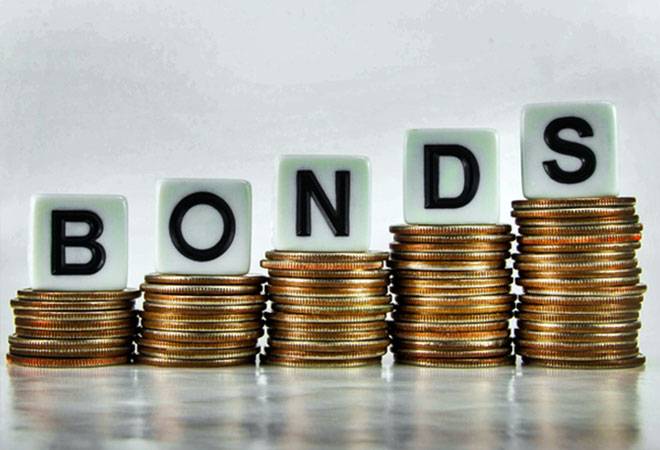
A bond is a debt instrument. When you buy a bond, you are essentially lending money to an issuer. The issuer could be:
- A government
- A public sector undertaking
- A private company
In return, the issuer agrees to:
- Pay you interest at a fixed or variable rate, and
- Repay the principal amount at a fixed maturity date
In simple terms, bonds are loans you give, with defined terms and conditions.
How Bonds Work?
Every bond has a few basic components:
- Face Value: The amount the issuer promises to repay at maturity
- Coupon Rate: The interest rate paid on the face value
- Maturity Period: The time after which principal is repaid
- Issue Price: The price at which the bond is bought
For example, if you buy a bond with a face value of ₹1,000 and a coupon rate of 7%, you receive ₹70 per year as interest until maturity.
Types of Bonds
Bonds come in many forms, each serving a different purpose.
1. Government Bonds
Issued by the Government of India, these are considered the safest bonds. Returns are lower, but the risk of default is almost zero.
2. Corporate Bonds
Issued by companies. These offer higher returns than government bonds but carry credit risk depending on the company’s financial strength.
3. Public Sector Bonds
Issued by government-owned companies. They sit between government and corporate bonds in terms of risk and return.
4. Zero Coupon Bonds
These bonds do not pay regular interest. They are issued at a discount and redeemed at face value on maturity.
5. Tax-Free Bonds
Certain bonds offer interest income that is exempt from tax, making them attractive for high-income investors.
Key Features of Bonds
1. Fixed Maturity
Every bond has a defined maturity period, which can range from a few years to several decades. This helps in goal-based planning.
2. Regular Income
Most bonds pay interest at regular intervals—monthly, quarterly, half-yearly, or annually.
3. Known Returns
If held till maturity, returns are usually predictable, provided the issuer does not default.
4. Tradable Instrument
Many bonds are listed and can be bought or sold in the secondary market, though liquidity varies.
5. Credit Rating System
Bonds are rated by credit rating agencies, indicating the issuer’s ability to repay. Higher-rated bonds are safer but offer lower returns.
Benefits of Bonds
1. Stable and Predictable Income
Bonds are widely used by investors who want steady cash flow. Regular interest payments help meet expenses without selling assets.
2. Lower Volatility Compared to Equities
Bond prices do fluctuate, but usually much less than stocks. This makes them suitable for conservative investors.
3. Capital Preservation
High-quality bonds help protect capital, especially when markets are volatile.
4. Portfolio Diversification
Bonds reduce overall portfolio risk. When equities fall, bonds often provide stability.
5. Suitable for Retirement Planning
Retirees often rely on bonds for income, as they provide predictable payments and relatively lower risk.
6. Wide Choice of Risk Levels
From ultra-safe government bonds to high-yield corporate bonds, investors can choose based on risk appetite.
Limitations of Bonds
1. Interest Rate Risk
Bond prices move inversely to interest rates. When interest rates rise, existing bond prices fall. This affects investors who sell before maturity.
2. Credit Risk
Corporate bonds carry the risk of default. If the issuer fails to pay interest or principal, investors may suffer losses.
3. Inflation Risk
Fixed interest payments may lose purchasing power over time if inflation rises sharply.
4. Liquidity Risk
Not all bonds are actively traded. Some bonds may be difficult to sell quickly without price concessions.
5. Taxation on Interest
Interest income from most bonds is taxable as per the investor’s income tax slab, reducing post-tax returns.
6. Limited Growth Potential
Bonds are income-oriented instruments. They are not designed for aggressive wealth creation.
Bonds vs Fixed Deposits
While both provide fixed income, they differ in key ways:
- Bonds may offer higher returns but carry market and credit risk
- Fixed Deposits offer simplicity and bank backing but usually lower returns
Bonds provide flexibility and diversification, while FDs offer comfort and ease.
Who Should Invest in Bonds?
Bonds are suitable for:
- Conservative investors
- Retirees seeking regular income
- Investors nearing financial goals
- Those looking to balance equity-heavy portfolios
They work best when stability matters more than high growth.
Who Should Be Cautious with Bonds?
Bonds may not suit:
- Investors chasing high returns
- Young investors with long investment horizons
- People who need high liquidity
In such cases, bonds should be a smaller allocation rather than a core holding.
Role of Bonds in a Financial Plan
Bonds are best viewed as supporting pillars, not the main engine. They help:
- Reduce volatility
- Provide income
- Protect capital during uncertain periods
A well-structured portfolio often combines equities for growth and bonds for stability.
Final Thoughts
Bonds are quiet performers. They do not promise excitement, but they offer reliability. Their real value lies in balance—balancing risk, balancing income, and balancing expectations.
Used thoughtfully, bonds can smooth out the ups and downs of investing and provide peace of mind during volatile times. Ignored or misunderstood, they can disappoint investors expecting equity-like returns.
Bonds are not about chasing returns. They are about controlling risk while keeping money working—and that role remains just as important today as it has always been.









Leave a Reply