
Owning a car brings convenience, independence, and comfort, but it also comes with financial and legal responsibilities. Road accidents, theft, natural disasters, and even minor damages can result in unexpected expenses. In a country like India, where traffic density is high and road conditions vary widely, the risk associated with vehicle ownership cannot be ignored. Car insurance exists to manage this risk and protect vehicle owners from sudden financial loss.
For many people, car insurance is purchased mainly because it is legally required. However, its role goes far beyond legal compliance. A well-chosen car insurance policy provides financial security, peace of mind, and support during stressful situations. At the same time, it has certain limitations that policyholders must understand to avoid confusion during claims.
This article explains car insurance in detail by covering how it works, its main features, the benefits it offers, and the limitations that come with it.
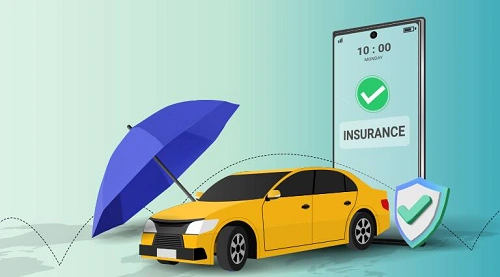
What Is Car Insurance?
Car insurance is a contract between a vehicle owner and an insurance company under which the insurer agrees to cover financial losses arising from damage to the insured vehicle, third-party liabilities, or both. In exchange, the policyholder pays a premium, usually on an annual basis.
In India, car insurance is mandatory under the Motor Vehicles Act, 1988. At a minimum, every car owner must have third-party liability insurance. However, many owners opt for broader coverage through comprehensive policies.
Types of Car Insurance in India
Before understanding features and benefits, it is important to know the main types of car insurance available.
1. Third-Party Car Insurance
This policy covers legal and financial liabilities arising from injury, death, or property damage caused to a third party due to the insured vehicle. It does not cover damage to the insured car.
2. Comprehensive Car Insurance
Comprehensive insurance covers third-party liabilities as well as damage to the insured vehicle due to accidents, theft, fire, natural disasters, and other specified risks.
3. Standalone Own-Damage Insurance
This policy covers damage to the insured car only. It must be purchased along with a third-party policy if the vehicle owner wants complete coverage.
Key Features of Car Insurance
1. Legal Compliance
Car insurance ensures compliance with Indian motor laws. Driving without valid third-party insurance can lead to fines, penalties, and even imprisonment in certain cases.
2. Coverage for Vehicle Damage
Comprehensive and own-damage policies cover repair or replacement costs arising from:
- Road accidents
- Fire or explosion
- Theft or burglary
- Natural calamities such as floods, earthquakes, and cyclones
- Man-made disasters like riots or vandalism
3. Third-Party Liability Protection
Third-party insurance covers legal liabilities arising from injury, death, or property damage caused to another person. This protection is crucial, as compensation amounts decided by courts can be substantial.
4. Personal Accident Cover
Most car insurance policies include a personal accident cover for the owner-driver. This provides compensation in case of death or permanent disability caused by an accident involving the insured vehicle.
5. Add-On Covers
Car insurance policies offer optional add-ons that enhance coverage, such as:
- Zero depreciation cover
- Engine protection cover
- Roadside assistance
- Return to invoice cover
- Consumables cover
These add-ons provide broader protection but increase the premium.
6. No Claim Bonus (NCB)
If no claim is made during a policy year, the insurer offers a no claim bonus. This results in a discount on premium at renewal and can increase significantly over consecutive claim-free years.
7. Cashless Repair Facility
Insurers provide access to a network of authorized garages where repairs can be done on a cashless basis. The insurer settles the approved repair costs directly with the garage.
Benefits of Car Insurance
1. Financial Protection Against Accidents
Car repairs can be expensive, especially for newer or high-end vehicles. Car insurance protects owners from bearing these costs out of pocket, reducing financial stress.
2. Protection From Legal Liabilities
Third-party liabilities can result in heavy compensation and legal expenses. Car insurance shields policyholders from such financial and legal burdens.
3. Coverage Against Theft and Total Loss
In case of vehicle theft or total loss due to severe damage, comprehensive car insurance compensates the policyholder based on the insured declared value (IDV) of the vehicle.
4. Peace of Mind While Driving
Knowing that financial risks are covered allows drivers to focus on safe driving rather than worrying about potential losses.
5. Support During Emergencies
Add-ons such as roadside assistance provide help during emergencies like breakdowns, flat tyres, or towing needs, especially useful during long journeys.
6. Encourages Responsible Driving
The no claim bonus system rewards careful driving. Maintaining a claim-free record reduces premiums over time.
7. Customizable Coverage
Car insurance allows customization based on vehicle type, usage, and personal preferences. Policyholders can choose add-ons that suit their driving habits and risk exposure.
Limitations of Car Insurance
1. Policy Exclusions
Car insurance policies do not cover everything. Common exclusions include:
- Driving under the influence of alcohol or drugs
- Driving without a valid licence
- Normal wear and tear
- Mechanical or electrical breakdown
- Damage outside geographical limits
Ignoring exclusions can lead to claim rejection.
2. Depreciation Impact on Claims
Standard policies apply depreciation on vehicle parts during claims. This reduces the claim amount and increases out-of-pocket expenses unless a zero depreciation add-on is taken.
3. Deductibles
Policyholders are required to pay a portion of the claim amount, known as deductibles. This includes compulsory and voluntary deductibles, which reduce insurer liability.
4. Rising Premiums
Premiums increase with factors such as vehicle age, claim history, and location. High claim frequency can significantly raise renewal costs.
5. Claim Process Requirements
Claims require proper documentation, timely intimation, and compliance with procedures. Delays or missing documents can lead to rejection or reduced settlement.
6. Insufficient Coverage Due to Low IDV
Choosing a lower insured declared value reduces premiums but also lowers claim payouts. Underinsuring the vehicle can result in financial loss during major claims.
7. Add-On Cost Burden
While add-ons enhance protection, they increase the premium. Selecting unnecessary add-ons can make the policy expensive without proportional benefits.
Who Should Buy Comprehensive Car Insurance?
Comprehensive car insurance is especially suitable for:
- Owners of new or expensive vehicles
- Cars driven regularly in high-traffic areas
- Individuals living in theft- or flood-prone regions
- Drivers who want broader financial protection
Third-party-only insurance may be insufficient for such scenarios.
Conclusion
Car insurance is not merely a legal requirement but a vital financial safeguard for vehicle owners. It protects against accident-related expenses, third-party liabilities, theft, and unforeseen damages, providing stability and confidence on the road.
However, car insurance has limitations in the form of exclusions, deductibles, and depreciation. Understanding these aspects is essential to avoid confusion at the time of claim. Selecting the right type of policy, choosing an adequate IDV, and adding relevant add-ons can significantly improve coverage quality.
When chosen thoughtfully and renewed regularly, car insurance serves its purpose effectively — protecting both the vehicle and the owner from financial and legal risks associated with driving.









Leave a Reply