
Exchange Traded Funds, better known as ETFs, sit at an interesting crossroads in investing. They combine the diversification of mutual funds with the trading flexibility of stocks. For many investors, ETFs offer a clean, efficient way to participate in markets without unnecessary complexity.
ETFs have grown rapidly in popularity over the last decade, especially among investors who value transparency, low costs, and control. Still, ETFs are not perfect. They come with their own learning curve and risks that are easy to ignore if you only focus on their advantages.
To use ETFs effectively, it’s important to understand how they work, what they do well, and where they fall short.
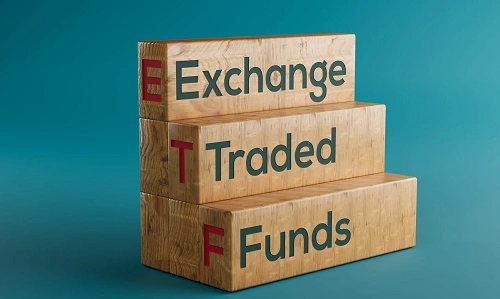
What Are Exchange Traded Funds (ETFs)?
An Exchange Traded Fund is an investment fund that holds a basket of assets such as:
- Stocks
- Bonds
- Commodities
- Or a combination of these
ETFs are listed and traded on stock exchanges like shares. In India, ETFs are traded on exchanges such as the National Stock Exchange and the Bombay Stock Exchange.
When you buy an ETF, you are buying units of a fund that tracks an underlying index, sector, commodity, or asset class. The price of the ETF changes throughout the trading day, just like a stock.
How ETFs Work
ETFs are designed to closely track the performance of a specific benchmark. This benchmark could be:
- A stock market index
- A bond index
- A commodity price
- A sector or theme
The fund holds the same securities (or a representative sample) as the benchmark. The ETF’s market price fluctuates during trading hours based on demand, supply, and the value of its underlying assets.
Unlike traditional mutual funds, ETFs do not have a single end-of-day price. You can buy and sell them anytime during market hours.
Types of Exchange Traded Funds
1. Equity ETFs
These track stock market indices or specific sectors. They are the most common type of ETFs.
2. Debt ETFs
These invest in bonds and fixed-income instruments. They are used for income and stability.
3. Gold and Commodity ETFs
These track the price of commodities such as gold and allow investors to gain exposure without physical storage.
4. International ETFs
These provide exposure to foreign markets and global indices.
5. Thematic and Sector ETFs
These focus on specific themes or sectors such as banking, technology, or infrastructure.
Each type serves a different investment objective and risk profile.
Key Features of ETFs
1. Traded Like Stocks
ETFs can be bought and sold throughout the trading day at market prices. This provides flexibility not available in traditional mutual funds.
2. Passive Investment Structure
Most ETFs follow a passive strategy, tracking an index rather than trying to outperform it.
3. Low Expense Ratio
ETFs generally have lower expense ratios compared to actively managed mutual funds because of minimal fund management activity.
4. Transparent Holdings
ETFs disclose their portfolios daily, making it easy for investors to know exactly what they own.
5. Intraday Pricing
ETF prices change in real time during market hours, unlike mutual funds which are priced once per day.
6. No Minimum Investment via SIP (Direct Market Buy)
You can buy even a single unit of an ETF, depending on its market price.
Benefits of Exchange Traded Funds
1. Cost Efficiency
Low expense ratios are one of the biggest advantages of ETFs. Over long periods, lower costs can significantly improve net returns.
2. Diversification in a Single Trade
With one ETF unit, you gain exposure to multiple securities across sectors or asset classes.
3. Flexibility and Control
ETFs allow limit orders, stop-loss orders, and intraday trading, giving investors more control over entry and exit.
4. Tax Efficiency
Because ETFs have low portfolio turnover, they tend to generate fewer taxable events compared to actively managed funds.
5. Easy Portfolio Allocation
ETFs make asset allocation simpler. You can quickly adjust exposure to equity, debt, or commodities.
6. Suitable for Long-Term and Tactical Use
ETFs work for both long-term investors and those making short-term tactical adjustments.
7. No Fund Manager Dependency
Performance depends on the underlying index, not on individual fund manager decisions.
Limitations of Exchange Traded Funds
1. Requires Demat and Trading Account
To invest in ETFs, you must have a demat and trading account. This can be a barrier for some investors.
2. Market Price vs NAV Difference
ETF prices may trade at a slight premium or discount to their Net Asset Value (NAV), especially during volatile markets.
3. Liquidity Issues in Some ETFs
Not all ETFs are actively traded. Low trading volume can lead to wide bid-ask spreads.
4. Brokerage and Transaction Costs
Every buy or sell transaction involves brokerage and exchange charges, which can add up with frequent trading.
5. Not All ETFs Track Perfectly
Some ETFs may experience tracking error, meaning they do not perfectly replicate the index’s performance.
6. Complexity for Beginners
Intraday pricing and trading mechanics can confuse new investors who are used to traditional mutual funds.
ETFs vs Mutual Funds
- ETFs: Traded intraday, lower costs, require demat account
- Mutual Funds: End-of-day pricing, easier for beginners, SIP-friendly
ETFs offer flexibility and cost efficiency, while mutual funds offer simplicity and automation.
Who Should Invest in ETFs?
ETFs are suitable for:
- Investors comfortable with stock market trading
- Cost-conscious long-term investors
- People who want transparent investments
- Investors seeking diversification with flexibility
- Those building asset allocation-based portfolios
ETFs work particularly well for disciplined investors who avoid frequent trading.
Who Should Be Careful with ETFs?
ETFs may not be ideal for:
- Investors without demat accounts
- Those who prefer automated SIPs
- People tempted to trade frequently
- Beginners uncomfortable with price fluctuations
In such cases, traditional mutual funds may feel easier.
Role of ETFs in a Financial Portfolio
ETFs are often used as core building blocks in modern portfolios. They can:
- Form the base equity exposure
- Provide debt or gold allocation
- Help rebalance portfolios efficiently
Many investors use a “core-satellite” approach, with ETFs as the core and active strategies around them.
Common Misunderstandings About ETFs
- “ETFs are only for traders” – not true, many are long-term holdings
- “ETFs are risk-free” – they carry market risk
- “All ETFs are liquid” – liquidity varies widely
Understanding these points helps set realistic expectations.
Final Thoughts
Exchange Traded Funds offer a powerful mix of simplicity, transparency, and efficiency. They remove much of the noise from investing and allow investors to focus on allocation rather than speculation.
However, ETFs demand discipline. Their ease of trading can tempt investors into unnecessary buying and selling, which hurts long-term returns.
Used patiently and with a clear purpose, ETFs can become one of the most effective tools in an investor’s toolkit—quietly doing their job without drama, just like good investing should.





Leave a Reply