
Buying a home is a dream for many people, but it is also one of the biggest financial commitments of a lifetime. Property prices are high, and paying the full amount upfront is not possible for most buyers. This is where a home loan plays a crucial role. A home loan allows you to purchase, construct, or renovate a house by paying the cost gradually over many years, instead of all at once. When planned properly, it can make home ownership easier and financially manageable.
This article explains what a home loan is, its main features, the benefits it offers, and the limitations you should clearly understand before taking one.

What Is a Home Loan?
A home loan is a long-term loan offered by banks and housing finance companies to help individuals buy or build a residential property. The borrower repays the loan through monthly installments, known as EMIs (Equated Monthly Installments), over a fixed tenure that usually ranges from 10 to 30 years.
The house or flat purchased using the loan is kept as collateral with the lender. If the borrower fails to repay the loan as agreed, the lender has the legal right to recover the outstanding amount by selling the property.
Key Features of a Home Loan
1. Large Loan Amount
Home loans generally offer higher loan amounts compared to most other types of loans. Depending on your income, age, credit score, and repayment capacity, lenders may finance up to 75% to 90% of the property’s value. This makes it easier to buy even high-value properties with limited savings.
2. Long Repayment Tenure
One of the biggest features of a home loan is its long repayment period. Borrowers can choose a tenure of up to 30 years. A longer tenure reduces the monthly EMI, making the loan more affordable, especially for young professionals and first-time buyers.
3. Lower Interest Rates
Home loans usually have lower interest rates compared to unsecured loans like personal loans or credit cards. Since the loan is secured against property, the risk for the lender is lower, which results in cheaper borrowing costs for the customer.
4. Fixed and Floating Interest Rate Options
Borrowers can choose between fixed and floating interest rates. In a fixed-rate loan, the interest rate remains the same for a specific period. In a floating-rate loan, the interest rate changes according to market conditions. Some lenders also offer hybrid loans that start with a fixed rate and later shift to a floating rate.
5. EMI-Based Repayment Structure
The loan is repaid through EMIs that include both principal and interest. In the initial years, a larger portion of the EMI goes toward interest. Gradually, the principal repayment increases as the loan progresses.
6. Prepayment and Foreclosure Facility
Most lenders allow borrowers to make partial prepayments or fully close the loan before the end of the tenure. This helps reduce the interest burden, especially when the borrower receives extra income such as bonuses or incentives.
Benefits of Taking a Home Loan
1. Makes Home Ownership Possible
The biggest advantage of a home loan is that it allows you to buy a house much earlier than you could by saving the entire amount. Instead of waiting for many years, you can own a home and repay the cost gradually.
2. Helps in Building an Asset
Unlike rent, which is a recurring expense, EMIs help you build ownership in a valuable asset. Over time, property values may appreciate, adding to your long-term wealth and financial security.
3. Tax Benefits
Home loans offer tax benefits on both principal repayment and interest paid, subject to prevailing tax laws. These deductions can significantly reduce your taxable income and improve your overall financial planning.
4. Encourages Financial Discipline
Paying EMIs every month creates financial discipline. It encourages better budgeting, controlled spending, and long-term financial planning, which are healthy money habits.
6. Lower Long-Term Cost Compared to Renting
In many cities, home loan EMIs can be similar to rental payments. While rent gives no return, EMIs help you move closer to owning a property. Over the long term, owning a home can be more economical than renting.
6. Flexible Usage
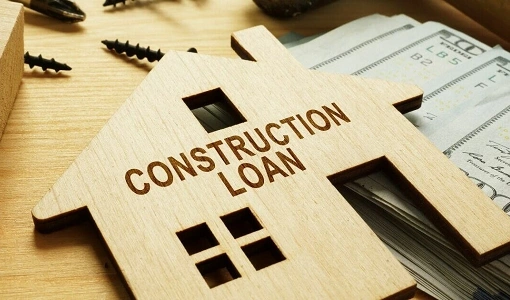
Home loans are not limited to buying a ready-to-move house. They can also be used for constructing a house on owned land, renovating or extending an existing home, or transferring an existing loan to another lender for better interest rates.
7. Special Benefits for Women Borrowers
Many banks offer lower interest rates or higher loan eligibility for women applicants. This encourages home ownership among women and can slightly reduce the overall loan cost.
Limitations of a Home Loan
1. Long-Term Financial Commitment
A home loan can last for decades. This long-term obligation requires stable income and careful planning. Any major financial disruption, such as job loss or health issues, can make repayment difficult.
2. High Interest Cost Over Time
Even though home loan interest rates are lower, the long tenure means the total interest paid over the years can be very high. In some cases, borrowers end up paying almost double the original loan amount.
3. Strict Eligibility and Documentation
Lenders follow strict eligibility criteria. Income stability, credit score, age, and existing debts are closely checked. Self-employed individuals or those with irregular income may find it harder to get approval.
4. Additional Charges
Apart from interest, borrowers must pay processing fees, legal charges, valuation fees, stamp duty, and registration costs. These expenses increase the overall cost of buying a home.
5. Risk of Losing the Property
If EMIs are not paid regularly, the lender can take legal action and seize the property. This makes a home loan emotionally stressful if finances are not managed properly.
6. Impact of Rising Interest Rates
In floating-rate loans, interest rates depend on market conditions. If rates increase, EMIs also rise, which can disturb monthly budgets.
7. Low Liquidity
Money invested in property is not easily accessible. Selling a house during emergencies takes time and may not always give the expected price.
Is a Home Loan Right for You?
A home loan is suitable if you have a stable income, manageable existing expenses, and a clear long-term plan. Ideally, your EMI should not exceed 30–40% of your monthly income, and you should have an emergency fund to handle unexpected situations.
Conclusion
A home loan is a powerful financial tool that can turn the dream of owning a home into reality. It offers affordability, tax benefits, and long-term asset creation. At the same time, it comes with long-term responsibility, interest costs, and financial risk if not planned wisely.
Before taking a home loan, compare lenders, understand all charges, calculate EMIs realistically, and think about your future income stability. Borrowing within your comfort zone—not just your eligibility—can make a home loan a blessing rather than a burden.




Leave a Reply