
Modern life involves constant interaction with people, property, and public spaces. Businesses deal with customers, employees, suppliers, and the public every day. Individuals host visitors, employ domestic staff, own vehicles, and participate in activities that can unintentionally cause harm to others. In such situations, legal liability can arise without warning. Compensation claims, legal fees, and court judgments can quickly become financially overwhelming. Liability insurance exists to protect against these risks.
Unlike insurance that covers damage to one’s own property or health, liability insurance focuses on legal responsibility toward others. It steps in when a person or organization is held legally liable for injury, death, or property damage suffered by a third party. Despite its importance, liability insurance is often overlooked until a serious claim arises.
This article explains liability insurance in detail by outlining how it works, its key features, major benefits, and the limitations that must be understood before purchasing a policy.
What Is Liability Insurance?
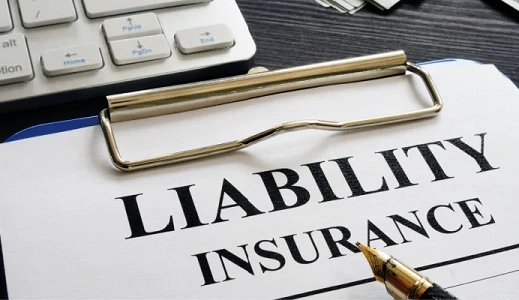
Liability insurance is a type of insurance that provides financial protection against claims made by third parties for bodily injury, death, property damage, or financial loss caused by the insured’s actions, negligence, or operations.
Under a liability insurance policy, the insurer agrees to:
- Pay compensation awarded to third parties
- Cover legal defense costs, including lawyer fees and court expenses
In return, the insured pays a premium. Liability insurance does not compensate the insured for their own losses; it only covers legal liabilities toward others.
Types of Liability Insurance
1. Public Liability Insurance
Public liability insurance covers claims arising from injury or property damage suffered by members of the public due to the insured’s premises, activities, or operations.
2. Product Liability Insurance
This policy protects manufacturers, sellers, and distributors against claims arising from defective or harmful products that cause injury or damage.
3. Professional Liability Insurance
Also known as errors and omissions insurance, this covers professionals against claims arising from negligence, mistakes, or failure to perform professional duties.
4. Employer’s Liability Insurance
This policy covers employers against claims made by employees for work-related injuries, illnesses, or death.
5. Directors and Officers (D&O) Liability Insurance
D&O insurance protects company directors and officers from personal liability arising from management decisions, regulatory actions, or shareholder claims.
6. Personal Liability Insurance
Personal liability insurance covers individuals against claims arising from accidental injury or property damage caused to third parties in personal situations.
Key Features of Liability Insurance
1. Third-Party Coverage
The core feature of liability insurance is protection against third-party claims. It covers compensation payable to injured parties and damage caused to their property.
2. Legal Defense Costs
Liability insurance covers legal expenses incurred while defending a claim, even if the claim is later found to be false or exaggerated, subject to policy terms.
3. Coverage for Negligence
Most liability claims arise from alleged negligence rather than intentional acts. Liability insurance provides protection against such unintentional errors or omissions.
4. Policy Limits
Liability insurance policies have defined limits of indemnity. These limits represent the maximum amount payable by the insurer for claims during the policy period.
5. Claims-Made and Occurrence-Based Policies
Some liability policies operate on a claims-made basis, where the claim must be reported during the policy period. Others are occurrence-based, covering incidents that occur during the policy term regardless of when the claim is made.
6. Industry-Specific Customization
Liability insurance can be tailored to specific industries such as manufacturing, healthcare, construction, hospitality, and IT services.
7. Worldwide or Territorial Coverage
Policies may offer coverage limited to a specific territory or extend worldwide, depending on the insured’s operations and requirements.
Benefits of Liability Insurance
1. Protection From Financially Devastating Claims
Liability claims can involve large compensation amounts and legal expenses. Liability insurance protects individuals and businesses from severe financial strain.
2. Legal Compliance and Contractual Requirements
Many businesses are legally required or contractually obligated to carry liability insurance. Having coverage ensures compliance with laws, contracts, and regulatory standards.
3. Business Continuity and Stability
By transferring liability risks to an insurer, businesses can continue operations without fear of sudden legal claims disrupting cash flow or reputation.
4. Coverage for Legal Defense
Legal proceedings are expensive and time-consuming. Liability insurance covers defense costs, allowing the insured to respond effectively to claims.
5. Protection of Personal Assets
For professionals, directors, and business owners, liability insurance helps protect personal assets from being seized to satisfy legal judgments.
6. Enhances Credibility and Trust
Having liability insurance improves credibility with clients, partners, and investors. It signals responsible risk management and professionalism.
7. Peace of Mind
Knowing that legal liabilities are insured allows individuals and organizations to operate with confidence, without constant fear of litigation.
Limitations of Liability Insurance
1. Policy Exclusions
Liability insurance policies exclude certain situations, such as:
- Intentional or criminal acts
- Fraud or dishonest behavior
- Contractual liabilities beyond legal responsibility
- War and nuclear risks
Claims arising from excluded events are not covered.
2. Coverage Limits
If a claim exceeds the policy’s limit of indemnity, the insured must pay the remaining amount. Choosing insufficient limits can expose the insured to financial risk.
3. Claims-Made Restrictions
In claims-made policies, failure to report a claim within the policy period can result in denial, even if the incident occurred earlier.
4. Defense Costs Reducing Limits
In some policies, legal defense costs are included within the overall policy limit. This can reduce the amount available for claim settlement.
5. Complex Policy Wording
Liability insurance policies often contain complex legal language, definitions, and conditions. Misunderstanding these terms can lead to disputes during claims.
6. Premium Costs for High-Risk Activities
Industries with higher exposure to liability risks face higher premiums. Comprehensive coverage may become expensive for certain businesses.
7. Does Not Cover Own Losses
Liability insurance does not cover damage to the insured’s own property, health, or financial losses unrelated to third-party claims.
Who Should Buy Liability Insurance?
Liability insurance is essential for:
- Business owners and entrepreneurs
- Professionals such as doctors, lawyers, and consultants
- Manufacturers and traders
- Employers with hired staff
- Property owners and landlords
- Company directors and senior management
Even individuals can benefit from personal liability coverage.
Conclusion
Liability insurance is a critical component of risk management in today’s legally aware environment. It protects individuals and businesses from the financial and legal consequences of third-party claims arising from accidents, negligence, or professional errors.
However, liability insurance is not unlimited protection. Exclusions, policy limits, and claims conditions play a major role in determining coverage. Careful assessment of risk exposure, proper selection of policy limits, and a clear understanding of policy terms are essential.
When chosen thoughtfully and aligned with actual risk, liability insurance fulfills its purpose effectively — safeguarding finances, protecting reputation, and providing confidence in the face of legal uncertainty.







Leave a Reply