
Two-wheelers are among the most commonly used vehicles in India. They are affordable, fuel-efficient, and well suited for daily commuting in crowded cities and rural areas alike. However, riding a two-wheeler also carries significant risk. Accidents, theft, road damage, and third-party liabilities can lead to sudden financial and legal trouble. Two-wheeler insurance exists to manage these risks and protect riders from unexpected losses.
For many riders, insurance is purchased only to meet legal requirements. This narrow view often leads to inadequate coverage and confusion during claims. In reality, two-wheeler insurance offers far more than compliance with the law. When chosen carefully, it provides financial protection, medical support, and peace of mind on the road.
This article explains two-wheeler insurance in detail, covering how it works, its main features, key benefits, and the limitations riders should be aware of.
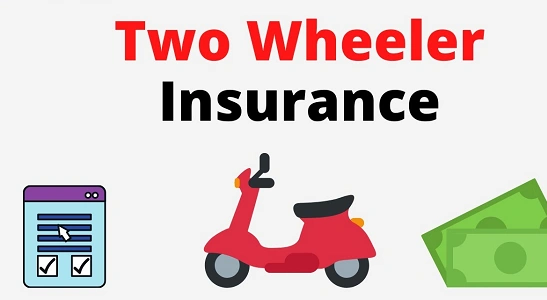
What Is Two-Wheeler Insurance?
Two-wheeler insurance is a contract between the vehicle owner and an insurance company in which the insurer agrees to cover financial losses related to the insured motorcycle or scooter. In return, the policyholder pays a premium, usually on a yearly basis.
Under Indian law, at least third-party insurance is mandatory for all two-wheelers. However, riders can opt for broader protection through comprehensive policies that cover both third-party liabilities and damage to the insured vehicle.
Types of Two-Wheeler Insurance
1. Third-Party Two-Wheeler Insurance
This policy covers legal liabilities arising from injury, death, or property damage caused to a third party due to the insured two-wheeler. It does not cover damage to the insured vehicle.
2. Comprehensive Two-Wheeler Insurance
Comprehensive insurance provides coverage for third-party liabilities as well as damage to the insured two-wheeler due to accidents, theft, fire, and other specified risks.
3. Standalone Own-Damage Insurance
This policy covers damage to the insured two-wheeler only. It must be purchased along with a valid third-party policy to ensure complete coverage.
Key Features of Two-Wheeler Insurance
1. Legal Compliance
Two-wheeler insurance ensures compliance with the Motor Vehicles Act, 1988. Riding without valid insurance can result in fines, penalties, and possible legal action.
2. Coverage for Vehicle Damage
Comprehensive and own-damage policies cover repair or replacement costs arising from:
- Road accidents
- Fire and explosion
- Theft or burglary
- Natural disasters such as floods, earthquakes, and cyclones
- Man-made incidents like riots and vandalism
3. Third-Party Liability Protection
Third-party insurance protects the policyholder against legal liabilities arising from injury, death, or property damage caused to another person. Court-awarded compensation can be substantial, making this coverage critical.
4. Personal Accident Cover
Most two-wheeler insurance policies include a personal accident cover for the owner-rider. This provides compensation in case of death or permanent disability resulting from an accident involving the insured vehicle.
5. Add-On Covers
Policyholders can enhance coverage by opting for add-ons such as:
- Zero depreciation cover
- Engine protection cover
- Roadside assistance
- Return to invoice cover
- Consumables cover
These add-ons offer additional protection at an extra premium.
6. No Claim Bonus (NCB)
If no claim is made during the policy period, insurers offer a no claim bonus. This results in a discount on the premium at renewal and increases over consecutive claim-free years.
7. Cashless Repair Facility
Insurers provide access to network garages where repairs can be done on a cashless basis. Approved repair costs are settled directly by the insurer, reducing immediate expenses for the rider.
Benefits of Two-Wheeler Insurance
1. Financial Protection Against Accidents
Repairing a damaged two-wheeler can be costly, especially in the case of major accidents. Insurance helps cover these expenses, protecting personal savings.
2. Protection From Legal Liabilities
Third-party claims can involve heavy compensation and legal proceedings. Two-wheeler insurance shields riders from these financial and legal risks.
3. Coverage Against Theft and Total Loss
In case of theft or irreparable damage, comprehensive insurance compensates the policyholder based on the insured declared value (IDV) of the vehicle.
4. Peace of Mind While Riding
Knowing that financial risks are covered allows riders to focus on safe riding rather than worrying about potential losses or liabilities.
5. Emergency Support Services
Add-ons such as roadside assistance provide help during breakdowns, towing needs, or minor repairs, which is particularly useful during long rides.
6. Encourages Responsible Riding
The no claim bonus system rewards careful riding. Maintaining a claim-free record results in lower premiums over time.
7. Flexible Coverage Options
Two-wheeler insurance policies can be customized based on riding habits, vehicle value, and risk exposure, allowing riders to choose suitable protection.
Limitations of Two-Wheeler Insurance
1. Policy Exclusions
Insurance policies exclude certain situations, such as:
- Riding under the influence of alcohol or drugs
- Riding without a valid licence
- Normal wear and tear
- Mechanical or electrical breakdowns
- Use of the vehicle for illegal purposes
Claims arising from excluded situations are not payable.
2. Depreciation on Parts
Standard policies apply depreciation on parts during claim settlement. This reduces the amount paid by the insurer unless a zero depreciation add-on is chosen.
3. Deductibles
Policyholders must bear a portion of the claim amount in the form of compulsory or voluntary deductibles. This increases out-of-pocket expenses.
4. Rising Premiums After Claims
Making frequent claims can increase renewal premiums and reduce no claim bonus benefits.
5. Claim Procedure Requirements
Claims must be reported within specified timelines and supported by proper documentation. Failure to follow procedures can lead to claim rejection or delay.
6. Insufficient Coverage Due to Low IDV
Selecting a lower insured declared value reduces premium costs but also lowers claim payouts. Underinsurance can result in financial loss during major claims.
7. Add-On Cost Impact
While add-ons improve coverage, they increase the overall premium. Choosing unnecessary add-ons can make the policy less cost-effective.
Who Should Opt for Comprehensive Two-Wheeler Insurance?
Comprehensive two-wheeler insurance is particularly suitable for:
- Owners of new or high-value bikes
- Riders commuting daily in high-traffic areas
- Two-wheelers parked in theft-prone locations
- Riders seeking broader financial protection
Third-party-only policies may be insufficient in such cases.
Conclusion
Two-wheeler insurance is more than a legal obligation. It is a practical financial tool that protects riders from accident-related expenses, legal liabilities, theft, and unforeseen damage. When selected carefully, it provides stability and confidence on the road.
However, two-wheeler insurance also comes with limitations such as exclusions, deductibles, and depreciation. Understanding these aspects is essential to avoid surprises during claims. Choosing the right coverage type, setting an appropriate IDV, and selecting relevant add-ons can significantly improve protection.
When used wisely, two-wheeler insurance fulfills its purpose effectively — safeguarding both the rider and the vehicle against financial and legal risks.






Leave a Reply