Hebbal Flyover is one of the most recognisable infrastructure landmarks in Bengaluru, Karnataka. Located in North Bengaluru near Hebbal Junction, this massive flyover serves as a crucial gateway connecting the city centre with Kempegowda International Airport and northern suburbs. Over the years, it has become both an engineering achievement and one of the busiest traffic corridors in the city.
This article provides a detailed overview of Hebbal Flyover, including its history, structure, connectivity, importance, and ongoing developments.
Overview of Hebbal Flyover
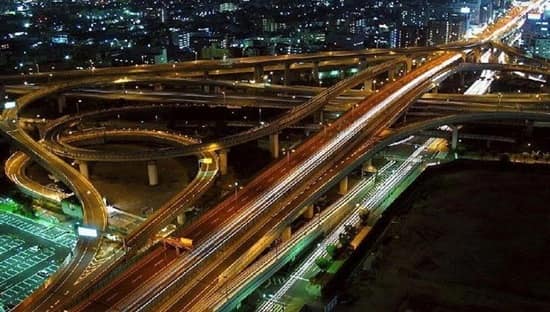
Hebbal Flyover was inaugurated in 2003 and quickly gained recognition as one of India’s largest urban flyover interchanges at the time. Built by the Bangalore Development Authority (BDA), the project aimed to reduce congestion at the busy National Highway-7 (now NH-44) junction.
The flyover stretches approximately 5.2–5.3 km including all loops, making it one of Bengaluru’s longest elevated road systems.
Situated near Hebbal Lake, the structure connects multiple major routes, including:
- Bellary Road (NH-44)
- Outer Ring Road (ORR)
- Tumakuru Road corridor
- Routes towards Yelahanka and KR Puram
Because of this multi-directional connectivity, the flyover functions as a major entry point into Bengaluru from the northern side.
Engineering and Design Features
Hebbal Flyover is not a simple elevated road but a multi-level cloverleaf interchange. At the time of construction, it was among South India’s first five-level interchanges designed to allow vehicles to move in different directions without stopping at traffic signals.
Key structural highlights include:
- Multiple loop ramps for seamless turning movements
- Separate carriageways for different traffic directions
- Grade-level roads beneath the flyover
- High-capacity lanes designed for highway traffic
This design allows vehicles travelling between the airport, city centre, and outer ring corridors to merge efficiently.
Strategic Importance in Bengaluru
Hebbal Flyover plays a critical role in Bengaluru’s transportation network. It acts as the main connection between central Bengaluru and Kempegowda International Airport, making it one of the city’s busiest commuting routes.
Its importance increased significantly after:
- Expansion of North Bengaluru
- Development of Manyata Tech Park and nearby IT zones
- Growth of residential areas such as Yelahanka and Jakkur
- Increased airport passenger traffic
Originally planned as a congestion solution, the flyover later became a major traffic bottleneck due to rapid urban expansion and rising vehicle numbers.
Traffic Challenges and Congestion
Despite its large scale, Hebbal Flyover frequently experiences heavy traffic congestion, especially during peak hours. Vehicles from multiple directions — Nagawara, Tumakuru Road, Outer Ring Road, and airport traffic — merge at this junction, creating delays.
Reports indicate commuters can face delays of up to 30 minutes during busy periods due to merging traffic flows and ongoing development works.
Several factors contribute to congestion:
- Rapid urban growth in North Bengaluru
- Increasing airport traffic
- Metro construction and road works nearby
- Limited expansion space around the junction
Because of these challenges, the flyover is often described as one of Bengaluru’s most complex traffic intersections.
Recent Developments and Expansion Projects
To address congestion, authorities have initiated multiple improvement projects around Hebbal Flyover.
Recent developments include:
- Construction of additional ramps to improve traffic distribution
- Road widening projects approved by BDA
- Installation of steel girders and structural upgrades
- New ramps connecting Baptist Hospital and KR Puram loops
A newly opened ramp has already shown noticeable improvement, reducing congestion levels by nearly 25–30% in certain stretches.
Future proposals also include a dedicated signal-free corridor linking Hebbal directly to the airport to improve travel time.
Surrounding Landmarks and Urban Growth
The area around Hebbal Flyover has transformed into an important commercial and residential zone.
Nearby landmarks include:
- Hebbal Lake – a popular recreational spot
- Manyata Tech Park – a major IT employment hub
- Baptist Hospital
- GKVK Agricultural University campus
Hebbal was once considered the northern boundary of Bengaluru, but city expansion has pushed development far beyond this point.
Role in Bengaluru’s Future Mobility
Hebbal Flyover continues to play a vital role in Bengaluru’s future transport planning. Infrastructure upgrades, metro expansion, and road redesign projects aim to transform the junction into a smoother and more efficient mobility corridor.
Urban planners view Hebbal as a key node connecting:
- Airport connectivity
- IT corridors
- Ring road transport systems
- Northern residential expansion zones
As Bengaluru grows further toward the north, the flyover’s importance is expected to increase even more.
Conclusion
Hebbal Flyover stands as one of Bengaluru’s most significant infrastructure achievements. Designed as a modern interchange to manage growing traffic demands, it remains a vital gateway connecting the city with its airport and expanding suburbs.
While congestion challenges persist, ongoing upgrades and new ramps are gradually improving traffic flow. Today, Hebbal Flyover represents both the rapid growth of Bengaluru and the city’s continuous efforts to modernise its transportation network.
FAQs About Hebbal Flyover, Bengaluru
Q1. Where is Hebbal Flyover located?
Hebbal Flyover is located in North Bengaluru near Hebbal Junction, connecting NH-44, Outer Ring Road, and major city routes.
Q2. When was Hebbal Flyover built?
The flyover was inaugurated in 2003 by the Bangalore Development Authority.
Q3. How long is Hebbal Flyover?
The total length, including loops and ramps, is approximately 5.2–5.3 km.
Q4. Why is Hebbal Flyover important?
It connects Bengaluru city with Kempegowda International Airport and northern suburbs, making it a key transport corridor.
Q5. Why does traffic congestion occur at Hebbal Flyover?
Heavy merging traffic, rapid urban growth, airport connectivity, and ongoing infrastructure work contribute to congestion.
Q6. Are there expansion plans for Hebbal Flyover?
Yes, additional ramps, widening projects, and future signal-free corridors are being developed to improve traffic flow.