A few decades ago, earning money online in India sounded unrealistic to most people. Business income usually depended on physical shops, offices, inventory, or direct services. But the internet economy has completely changed how people build businesses and generate income.
Today, creators, bloggers, YouTubers, Instagram influencers, review websites, and even small niche content creators are earning commissions simply by recommending products and services online. This model is called affiliate marketing.
In simple terms, affiliate marketing means promoting another company’s product or service and earning a commission whenever someone purchases through your referral link.
From e-commerce products and software tools to financial services, online courses, travel bookings, hosting platforms, and mobile apps, affiliate programs now exist across almost every digital industry.
At the same time, India’s internet usage, smartphone adoption, online shopping culture, and creator economy are growing rapidly. This has transformed affiliate marketing from a side-income experiment into one of India’s largest online business opportunities.
Unlike traditional businesses that require inventory, manufacturing, or large office setups, affiliate marketing mainly depends on audience-building, trust, content creation, and digital marketing skills.

A Business Connected to India’s Expanding Internet Economy
India’s digital ecosystem continues growing at massive scale.
Several factors continue driving affiliate marketing growth:
- Rising smartphone and internet usage
- Growth of YouTube and social media creators
- Expansion of e-commerce shopping
- Increasing online education and SaaS adoption
- Growth of digital content consumption
- More companies launching affiliate programs
Consumers today increasingly research products online before purchasing anything.
Types of Affiliate Marketing Businesses
1. Blogging and SEO Affiliate Marketing
Writing articles and ranking websites on search engines.
2. YouTube Affiliate Marketing
Review videos, tutorials, and product recommendations.
3. Social Media Affiliate Marketing
Instagram, Facebook, Telegram, and influencer-based promotion.
4. Tech and Software Affiliate Marketing
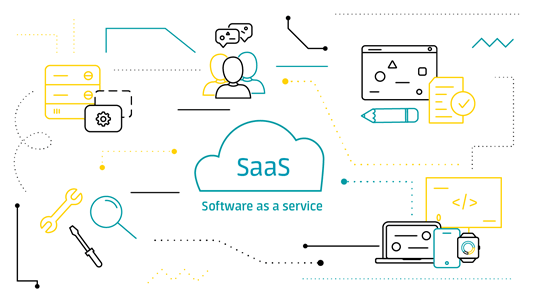
Promoting hosting, SaaS tools, apps, and online services.
5. Finance and Investment Affiliate Marketing
Credit cards, trading apps, insurance, and financial platforms.
6. Niche Affiliate Websites
Focused websites targeting specific categories like fitness, gadgets, travel, or education.
Investment Required: Very Low
One major reason affiliate marketing attracts beginners is the low startup cost.
A small affiliate setup may require ₹5,000–₹50,000 including:
- Website and hosting
- Domain name
- Basic marketing tools
- Content creation setup
- SEO or social-media promotion
Many creators even begin using only smartphones and free social-media platforms initially.
Revenue and Profit Potential
Affiliate marketing can become highly profitable because income scales through content reach and audience trust.
Revenue sources may include:
- Product affiliate commissions
- SaaS recurring commissions
- Course and education referrals
- Finance and app referrals
- Brand sponsorships
- Email marketing and lead generation
For example:
- Hosting and SaaS affiliate programs often pay high commissions.
- Finance affiliate programs can generate very strong payouts.
- Evergreen SEO content may continue generating passive income for years.
A successful affiliate business can eventually generate substantial monthly income with relatively low operational costs. Profit margins are often extremely high because there is no inventory or manufacturing expense involved.
However, income can vary heavily depending on traffic, niche, and audience quality.
What Makes This Business Successful
1. Audience Trust
People buy through creators and websites they trust.
2. High-Quality Content
Helpful reviews and useful information improve conversions.
3. SEO and Traffic Skills
Organic traffic is extremely valuable long term.
4. Consistency
Affiliate income usually grows gradually over time.
5. Choosing the Right Niche
Some niches generate much stronger commissions than others.
Challenges to Prepare For
1. Heavy Competition
Many affiliate niches are highly crowded today.
2. Slow Initial Growth
Traffic and audience-building often take time.
3. Dependence on Algorithms
Search engines and social-media platforms constantly change algorithms.
4. Affiliate Program Changes
Commission rates and terms may change suddenly.
5. Trust and Conversion Issues
Aggressive promotion can damage audience trust quickly.
Affiliate marketers who focus on genuine value and audience relationships usually survive much longer than those chasing only quick commissions.
How to Increase Profitability
1. Focus on Evergreen Niches
Finance, software, health, education, and business niches often perform strongly.
2. Build SEO-Based Content
Search traffic creates long-term passive visibility.
3. Create YouTube and Video Content
Video reviews often convert very well.
4. Build Email Lists
Email audiences reduce dependence on algorithms.
5. Promote Recurring-Commission Products
SaaS and subscription products create stable recurring income.
Affiliate Marketing vs Dropshipping Business
Affiliate marketing promotes products without handling inventory or customer service. Dropshipping businesses manage customer orders, payments, and delivery coordination.
Affiliate marketing usually has lower operational stress and investment.
However, profit depends heavily on audience-building and traffic generation rather than direct product ownership.
The Future of Affiliate Marketing in India
The future remains extremely strong. India’s creator economy, e-commerce market, digital education industry, and online financial services continue expanding rapidly.
At the same time, more companies are launching affiliate programs because influencer and referral-based marketing often performs better than traditional advertising.
Video content, AI tools, niche communities, and personal branding are also likely to shape the next phase of affiliate marketing growth.
The Verdict
Affiliate marketing is no longer just a side hustle where bloggers earn occasional commissions. It has evolved into a major digital-business model connected closely to content creation, online influence, e-commerce, and internet entrepreneurship.
People who build trust, create valuable content, understand SEO and audience psychology, and stay consistent over time often create highly profitable online businesses with scalable recurring income.
In a country where internet adoption, creator culture, and online shopping continue growing rapidly every year, affiliate marketing is likely to remain one of India’s strongest low-investment digital business opportunities.
Frequently Asked Questions (FAQs)
Q1. Can affiliate marketing really become a full-time business?
A: Yes. Many creators and bloggers earn full-time income through affiliate commissions, especially in high-paying niches.
Q2. Which affiliate niches are usually most profitable?
A: Finance, web hosting, SaaS tools, education, health, and technology products often provide strong commissions.
Q3. Is a website necessary for affiliate marketing?
A: Not always. Many people use YouTube, Instagram, Telegram, or email marketing successfully without websites.
Q4. What is the biggest challenge in affiliate marketing?
A: Building traffic and audience trust consistently over time are major challenges.
Q5. Can beginners start affiliate marketing with very low investment?
A: Absolutely. Many successful affiliate marketers initially start using free platforms and simple content tools.
Q6. Is affiliate income stable every month?
A: Not always. Income may fluctuate depending on traffic, trends, algorithms, and affiliate-program performance.