Yes, the embroidery business in India can be profitable. But it’s not just about stitching designs on fabric. Profit depends on creativity, quality of work, pricing, and how well you attract customers. Some small units earn steady income, while skilled designers and branded businesses earn much higher margins.
India has a long tradition of embroidery work—whether it’s bridal wear, ethnic outfits, or designer clothing. Even today, embroidery adds value to simple fabric, which is why demand remains strong across different segments.
Why Demand is Strong
The main reason this business works is simple—embroidery adds beauty and value to clothing and fabrics.
Demand comes from:
- Bridal and wedding wear
- Boutique designers
- Tailors and fashion stores
- Home décor items (curtains, cushions)
In India, festivals and weddings happen throughout the year, which keeps demand consistent. Customization trends have also increased interest in embroidery work.
Types of Embroidery Businesses
Profitability depends on the type of work you choose.
1. Hand Embroidery
- Traditional and artistic
- High value
- Time-consuming
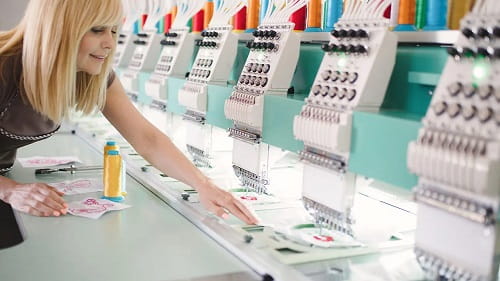
2. Machine Embroidery
- Faster production
- Suitable for bulk orders
- Requires equipment
3. Boutique or Designer Work
- Custom designs
- Premium pricing
- High margins
4. Commercial Embroidery
- Uniforms, logos, bulk work
- Lower margin per piece
- High volume
Each model offers different earning potential.
Profit Margins in Embroidery Business
Margins are generally good, especially for custom work.
- Basic work: 20% to 40%
- Machine embroidery: 30% to 50%
- Designer/custom work: 50% to 70%+
Example:
- Cost of work: ₹200
- Selling price: ₹500–₹1,000
The more unique your design, the higher you can charge.
Initial Investment Required
Investment depends on your setup.
1. Home-Based Hand Work
- ₹10,000 to ₹50,000
- Basic tools
2. Small Machine Setup
- ₹1 lakh to ₹5 lakh
3. Advanced Setup
- ₹5 lakh to ₹20 lakh+
- Computerized machines
Starting from home is common for beginners.
Monthly Expenses You Should Consider
Expenses are manageable.
- Threads and raw materials
- Labor (if you hire workers)
- Electricity
- Machine maintenance
- Rent (if shop-based)
Keeping costs low increases profit.
What Makes This Business Profitable
1. Unique Design and Creativity
Customers pay more for exclusive designs.
- Custom embroidery
- Trend-based patterns
- High-quality finishing
2. Targeting High-Value Segments
Focus on:
- Bridal wear
- Designer outfits
- Boutique clients
These segments offer higher margins.
3. Strong Customer Relationships
Repeat customers are important.
- Tailors and boutiques
- Regular clients
Word-of-mouth brings more work.
4. Online Presence
Platforms like
Instagram
help showcase designs and attract customers.
Even small businesses can grow online.
5. Efficient Production
Faster work = more orders.
Machine embroidery helps increase volume.
How Much Can You Earn?
Earnings depend on skill and scale.
- Small setup: ₹20,000 to ₹80,000 monthly profit
- Medium business: ₹50,000 to ₹2 lakh
- Established designer: much higher
Wedding seasons can increase income significantly.
Challenges You Should Know
1. Skill Requirement
Quality work needs practice and experience.
2. Time-Consuming Work
Hand embroidery takes time.
3. Competition
Many local players exist.
4. Labor Management
Skilled workers are not always easy to find.
5. Trend Changes
Design trends keep changing.
Is It Better Than Other Small Businesses?
Advantages
- Low to moderate investment
- High margins (custom work)
- Creative field
- Growing demand
Disadvantages
- Skill-based
- Time-intensive
- Limited scalability (for hand work)
Compared to regular tailoring, embroidery often offers higher profit per piece.
Practical Tips to Increase Profit
- Focus on unique and trending designs
- Target bridal and boutique clients
- Use social media for marketing
- Maintain high quality
- Start small and scale gradually
Final Verdict
The embroidery business in India offers a strong mix of creativity and earning potential. It is one of those fields where skill directly translates into income. The better your designs and finishing, the more you can charge.
If you build a good reputation, maintain consistent quality, and connect with the right customers, this business can grow steadily. Over time, what starts as a small setup can turn into a recognized brand or workshop.
In simple terms, this business rewards creativity, patience, and craftsmanship—and that’s where the real profit lies.