Yes, the honey business in India can be profitable. But it’s not as simple as collecting honey and selling it. Profit depends on quality, sourcing, branding, and how well you reach customers. Some people treat it like a small side business and earn modest income, while others turn it into a full-scale brand and build steady profits over time.
India has strong natural potential for honey production. With diverse forests, agriculture, and favorable climate, beekeeping and honey processing have grown steadily. Demand is also rising because people are shifting toward natural and healthy food choices.
Why Demand is Growing
The main reason is simple—people are becoming more health conscious.
Demand comes from:
- Families replacing sugar with natural sweeteners
- Fitness and diet-focused individuals
- Ayurvedic and natural medicine users
- Food and beverage businesses
Honey is no longer just a household item. It’s now part of health routines, skincare, and even packaged food products. This growing awareness is creating consistent demand across both urban and rural markets.
Types of Honey Businesses
Profitability depends a lot on the model you choose.
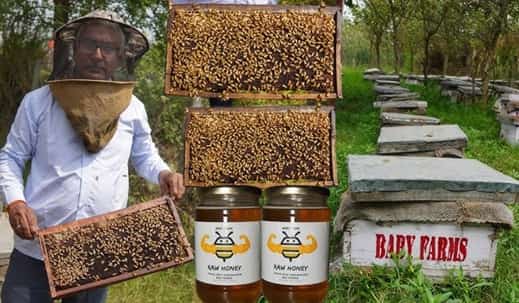
1. Beekeeping (Raw Honey Production)
- You produce honey directly from bee colonies
- Low raw material cost
- Requires knowledge and patience
2. Honey Processing Business
- Buy raw honey and process it
- Filter, package, and brand it
- Higher scalability
3. Branded Retail Honey
- Focus on marketing and packaging
- Sell through stores or online
- Higher margins with branding
4. Organic or Specialty Honey
- Sell premium variants like forest honey or monofloral honey
- Higher pricing
- Niche customers
Many successful businesses combine production + branding to maximize profits.
Profit Margins in Honey Business
Margins can be quite good if quality and branding are strong.
- Raw honey selling margin: 20% to 30%
- Branded honey: 30% to 60%
- Premium organic honey: 50%+
Example:
- Cost of 1 kg honey: ₹120–₹180
- Selling price: ₹250–₹600 (depending on brand and quality)
The difference increases when you sell directly to customers instead of wholesalers.
Initial Investment Required
Investment depends on the scale.
1. Small Beekeeping Setup
- ₹50,000 to ₹2 lakh
- Includes bee boxes, tools, and basic setup
2. Medium Honey Business
- ₹2 lakh to ₹10 lakh
- Processing unit, packaging, and branding
3. Large-Scale Business
- ₹10 lakh to ₹50 lakh+
- Machinery, marketing, distribution
Costs include:
- Bee boxes or raw honey purchase
- Processing equipment
- Bottles and packaging
- Branding and marketing
Compared to many businesses, starting small is easier here.
Monthly Expenses You Should Consider
Expenses are manageable but still important.
- Labor or staff cost
- Transportation
- Packaging materials
- Marketing
- Storage
Unlike some businesses, fixed expenses are relatively low, especially if you handle production yourself.
What Makes This Business Profitable
1. Branding and Trust
People care about purity.
- Natural and unadulterated honey sells better
- Trust builds repeat customers
2. Direct Selling
Selling directly increases margins.
- Local markets
- Online platforms
- Social media
3. Product Variety
More products = more income.
- Raw honey
- Flavored honey
- Honey with herbs
- Beeswax products
4. Low Competition in Premium Segment
Local markets may have competition, but premium and organic honey still has space.
5. Export Potential
Indian honey has international demand, especially organic varieties.
How Much Can You Earn?
Let’s take a simple example:
If you sell:
- 300 kg honey per month
- At ₹300 per kg
Monthly revenue = ₹90,000
After expenses:
- Profit can be ₹30,000 to ₹50,000
With branding and scaling:
- Earnings can go beyond ₹1 lakh/month
Premium brands can earn much more.
Challenges You Should Know
1. Quality Control
Maintaining purity is critical.
- Adulteration can damage reputation
2. Seasonal Production
Honey production depends on seasons and flowers.
3. Market Competition
Many local sellers exist.
- Price competition can affect margins
4. Awareness Gap
Some customers still prefer cheap options over quality.
5. Storage and Shelf Life
Proper storage is needed to maintain quality.
Is It Better Than Other Businesses?
If you compare this with businesses like gym or furniture, the honey business works differently.
Like the gym business described in your reference, success here also depends on consistency and customer trust rather than just setup .
And similar to the furniture business, branding and perceived value can significantly increase profit margins over time .
Advantages
- Low to moderate investment
- Growing health-focused demand
- Scalable
- Good margins with branding
Disadvantages
- Seasonal dependency
- Quality control challenges
- Market competition
Compared to many businesses, honey offers a good balance of low risk and steady growth.
Practical Tips to Increase Profit
- Focus on pure, high-quality honey
- Build a strong brand identity
- Use simple but attractive packaging
- Sell online (Amazon, Flipkart, Instagram)
- Educate customers about benefits
- Offer small trial packs
- Expand into related products like beeswax
Final Perspective
The honey business in India is not about just selling a product—it’s about selling trust. Anyone can sell honey, but not everyone can convince people that it is pure and worth the price.
That’s where the real money comes in. When customers trust your product, they don’t switch easily. They come back, again and again.
You don’t need a huge setup to start. Even a small beginning can grow into a strong business if you focus on quality and consistency. Over time, as your brand builds, profits naturally follow.
So yes, the honey business is profitable—but only for those who treat it seriously and build it step by step.