Yes, the logistics business in India can be profitable. But it’s not a simple “buy a vehicle and earn daily” kind of business. Profit depends on scale, route planning, fuel management, and how well you handle operations. Some small operators struggle with costs, while organized logistics companies build steady and high revenue.
India’s economy is growing, and with it, the movement of goods. From e-commerce deliveries to industrial transport, logistics has become a backbone of business.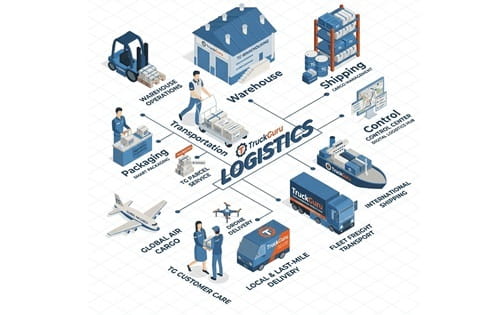
Why Demand is Growing
The reason is simple—everything needs to be transported.
Demand comes from:
- E-commerce companies
- Retail shops and wholesalers
- Manufacturers and factories
- Agriculture and food supply
Online shopping has increased the need for fast and reliable delivery. Every product ordered online goes through a logistics chain.
Types of Logistics Businesses
Your income depends on the model you choose.
1. Local Transport Service
- Small trucks or tempos
- Short-distance delivery
- Low to moderate investment
2. Long-Distance Transport
- Interstate goods movement
- Higher income per trip
- Higher fuel cost
3. Courier and Delivery Service
- Small parcels
- E-commerce deliveries
- High volume
4. Third-Party Logistics (3PL)
- Manage storage + delivery
- Higher investment
- High profit potential
Most beginners start with 1–2 vehicles and expand gradually.
Profit Margins in Logistics Business
Margins depend on efficiency.
- Small transport: 10% to 25%
- Organized logistics: 15% to 30%
Example:
- Trip revenue: ₹20,000
- Expenses (fuel, driver, toll): ₹15,000
Profit = ₹5,000 per trip
Better planning increases margins.
Initial Investment Required
Investment varies widely.
1. Small Vehicle (Tempo)
- ₹5 lakh to ₹10 lakh
2. Medium Truck
- ₹10 lakh to ₹25 lakh
3. Large Setup
- ₹25 lakh to ₹1 crore+
- Multiple vehicles, warehouse
Main costs include:
- Vehicle purchase
- Insurance and registration
- Permits
- Working capital
Monthly Expenses You Should Consider
Expenses are high and continuous.
- Fuel (major cost)
- Driver salary
- Maintenance and repairs
- Toll charges
- Insurance and EMI
Fuel cost directly affects profit.
What Makes This Business Profitable
1. Vehicle Utilization
Idle vehicle = loss
More trips = more income
2. Route Optimization
Efficient routes reduce fuel cost.
3. Long-Term Contracts
Regular clients bring stability.
- E-commerce companies
- Factories
- Distributors
4. Fleet Management
Managing multiple vehicles increases earning potential.
5. Technology Use
GPS tracking and apps improve efficiency.
How Much Can You Earn?
Example:
If you run:
- 1 truck
- 10 trips/month
- ₹5,000 profit per trip
Monthly profit = ₹50,000
With 3–5 vehicles:
- Profit can go ₹1 lakh+ per month
Large operators earn much more.
Challenges You Should Know
1. High Fuel Cost
Biggest expense in this business.
2. Maintenance Issues
Vehicles need regular repairs.
3. Driver Management
Finding reliable drivers can be tough.
4. Payment Delays
Clients may pay late.
5. Competition
Highly competitive industry.
Is It Better Than Other Businesses?
Compared to businesses like gym or furniture, logistics is more operational but has strong long-term demand.
Like the gym business, consistent customers and regular usage are key for steady income .
And similar to the furniture business, scaling and efficient management increase profitability over time .
Advantages
- High demand
- Scalable
- Essential industry
- Good earning potential
Disadvantages
- High operational cost
- Fuel dependency
- Management complexity
Practical Tips to Increase Profit
- Start with one vehicle
- Focus on regular clients
- Optimize routes
- Maintain vehicles properly
- Track fuel usage
- Use GPS and software
- Expand gradually
Final Perspective
The logistics business in India is not easy, but it’s powerful. It runs behind the scenes of almost every industry.
At first, profits may feel tight because of expenses. But once you get regular clients and manage operations efficiently, income becomes stable.
This is a business where growth comes with scale. One vehicle gives limited income, but a fleet can create strong earnings.
If you are ready to handle operations, costs, and planning, logistics can become a long-term and profitable business.