Yes, the goat farming business in India can be profitable. But it’s not a quick-money setup. It works best when you treat it as a long-term livestock business. Profit depends on breed selection, feeding cost, health management, and how well you sell your animals.
Goat farming is often called the “poor man’s cow business,” but that’s changing. With rising demand for meat and dairy alternatives, goats have become a valuable asset in both rural and semi-urban areas.
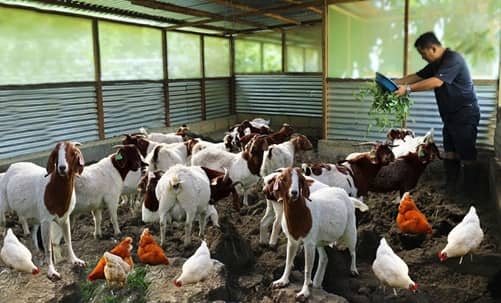
Why Demand is Strong
The main reason this business works is simple—goat meat (mutton) has high and consistent demand.
Demand comes from:
- Households
- Restaurants and hotels
- Meat shops
- Festivals like Bakrid
Unlike some other meats, goat meat is widely accepted across communities in India, which keeps demand steady throughout the year.
Types of Goat Farming Businesses
Profitability depends on your approach.
1. Meat Production (Most Common)
- Raise goats for meat
- High demand
- Faster returns
2. Breeding Business
- Sell young goats (kids)
- Good margins
- Requires quality breeds
3. Dairy Goat Farming
- Goat milk and products
- Niche market
- Premium pricing
4. Integrated Farming
- Combine meat + breeding + milk
- Multiple income sources
Most farmers focus on meat production due to strong demand.
Profit Margins in Goat Farming
Margins can be attractive if managed well.
- Average margin: 20% to 40%
- Higher profits possible during festive seasons
Example:
- Cost of raising a goat: ₹4,000–₹6,000
- Selling price: ₹8,000–₹15,000
The difference becomes your profit.
Initial Investment Required
Investment depends on scale.
1. Small Setup (10–20 goats)
- ₹1 lakh to ₹3 lakh
2. Medium Farm (50–100 goats)
- ₹5 lakh to ₹15 lakh
3. Large Farm
- ₹20 lakh+
Costs include:
- Buying goats
- Shed construction
- Feed
- Veterinary care
Monthly Expenses You Should Consider
Expenses are ongoing.
- Feed and fodder
- Labor
- Veterinary care
- Maintenance
Feed is the biggest cost in goat farming.
What Makes This Business Profitable
1. Proper Breed Selection
High-quality breeds grow faster and sell at better prices.
2. Low Feeding Cost
Using natural grazing reduces expenses.
3. Health Management
Healthy goats grow faster and reduce losses.
4. Timely Selling
Selling at the right time (especially festivals) increases profit.
5. Direct Market Access
Selling directly to buyers increases margins.
How Much Can You Earn?
Example:
If you raise:
- 50 goats
Profit per goat ≈ ₹4,000
Total profit ≈ ₹2 lakh per cycle
Larger farms can earn significantly more.
Challenges You Should Know
1. Disease Risk
Health issues can affect livestock.
2. Feed Cost Fluctuation
Rising feed cost reduces profit.
3. Management Effort
Daily care is required.
4. Market Price Variation
Prices may fluctuate.
5. Space Requirement
Proper land and shelter are needed.
Is It Better Than Other Farming Businesses?
Advantages
- High demand
- Lower investment than cattle farming
- Fast reproduction
- Multiple income sources
Disadvantages
- Requires regular care
- Disease risk
- Moderate margins
Compared to many livestock businesses, goats are easier to manage and require less investment.
Practical Tips to Increase Profit
- Start with a small number of goats
- Choose high-yield breeds
- Maintain proper hygiene
- Use natural grazing
- Sell during peak demand periods
- Build direct buyer connections
Final Perspective
Goat farming in India is one of those businesses where patience pays off. It may not give instant returns, but it builds steady income over time if managed properly.
The real strength of this business lies in its flexibility—you can start small, learn the process, and expand gradually. With good care, proper feeding, and smart selling, even a small farm can grow into a profitable venture.
In simple terms, this business rewards consistency and planning. If you treat it seriously, it can become a reliable source of income for years.