Yes, the furniture business in India can be profitable. But it’s not a fast-moving, daily-cash type business like food or retail. It works on larger transactions, longer customer decisions, and higher margins per sale. Profit depends on product quality, pricing, design, and how well you manage inventory and customer expectations.
India’s real estate growth, rising middle-class income, and changing lifestyle have increased demand for furniture. People are now spending more on home décor, comfort, and aesthetics. This shift has created strong opportunities in both budget and premium segments.
Why Demand is Growing
The core reason is simple—every home and office needs furniture.
Demand comes from:
- New homes and apartments
- Office setups and startups
- Renovation and interior upgrades
- Hotels and commercial spaces
With urbanization increasing, more people are moving into new homes, which directly boosts furniture demand.
Types of Furniture Businesses
Profitability depends on your business model.
1. Retail Furniture Shop
- Sell ready-made furniture
- Moderate margins
- Depends on location
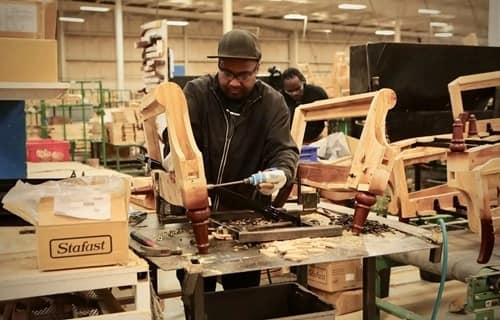
2. Custom Furniture Business
- Made-to-order designs
- Higher margins
- Requires skilled labor
3. Manufacturing Business
- Produce furniture in bulk
- Higher investment
- Higher profit potential
4. Online Furniture Business
- Sell through website or marketplaces
- Wider reach
- Lower overhead
Many successful businesses combine retail and custom orders.
Profit Margins in Furniture Business
Margins can be attractive compared to many other businesses.
- Retail margin: 20% to 50%
- Custom furniture: 30% to 60%
- Premium designer furniture: 50%+
Example:
- Cost of sofa: ₹10,000
- Selling price: ₹20,000–₹35,000
Since items are high-value, even a few sales can generate good income.
Initial Investment Required
Investment depends on scale.
1. Small Shop
- ₹2 lakh to ₹10 lakh
2. Medium Showroom
- ₹10 lakh to ₹50 lakh
3. Manufacturing Unit
- ₹20 lakh to ₹1 crore+
Main costs include:
- Inventory
- Shop rent and interiors
- Machinery (for manufacturing)
Monthly Expenses You Should Consider
Expenses can be significant.
- Rent (for showroom)
- Staff salaries
- Inventory purchase
- Transportation
- Marketing
Inventory holding is a major cost in this business.
What Makes This Business Profitable
1. High Ticket Size
Furniture items are expensive.
- Even a few sales generate good revenue
- Higher profit per customer
2. Customization Advantage
Custom furniture brings higher margins.
- Unique designs
- Customer-specific requirements
3. Quality and Durability
Customers prefer long-lasting products.
- Good material
- Strong build
Quality builds reputation and repeat business.
4. Branding and Presentation
Brands like
IKEA and
Pepperfry
have shown how branding increases value.
Even small businesses can grow with:
- Attractive showroom
- Good presentation
5. Online Expansion
Selling online increases reach.
- More customers
- Better visibility
How Much Can You Earn?
Example:
If you sell:
- Furniture worth ₹5 lakh/month
With 30% margin:
- Profit ≈ ₹1.5 lakh
Custom and premium products can increase income further.
Challenges You Should Know
1. High Investment
Initial setup and inventory cost can be high.
2. Slow Sales Cycle
Customers take time to decide.
3. Storage Requirement
Furniture needs large space.
4. Transportation Cost
Delivery and logistics add expense.
5. Competition
Both local and online players compete.
Is It Better Than Other Businesses?
Advantages
- High margins
- Growing demand
- Scalable
- Premium pricing possible
Disadvantages
- High investment
- Slow sales cycle
- Inventory management
Compared to many businesses, furniture offers higher profit per sale but requires patience.
Practical Tips to Increase Profit
- Focus on custom furniture
- Maintain quality
- Choose good location
- Offer delivery and installation
- Build strong brand image
- Use online platforms
Final Perspective
The furniture business in India doesn’t run on daily rush—it runs on value. One good sale can equal several days of income in other businesses. That’s what makes it different.
It requires patience in the beginning because customers take time, and inventory moves slower. But once you build trust, showcase quality, and develop a strong customer base, the business becomes more stable.
In the long run, this is a business where reputation and craftsmanship matter more than speed. If you focus on those, profitability tends to follow naturally.