Yes, the microgreens business in India can be profitable. But it’s not a mass-market business like vegetables or fruits. Profit depends on targeting the right customers, maintaining quality, and ensuring consistent supply. Some growers struggle to find buyers, while others earn steady income by supplying to premium markets.
Microgreens are young vegetable greens harvested early. They are packed with nutrients and are popular in salads, smoothies, and fine dining. This makes them a niche but high-value product.
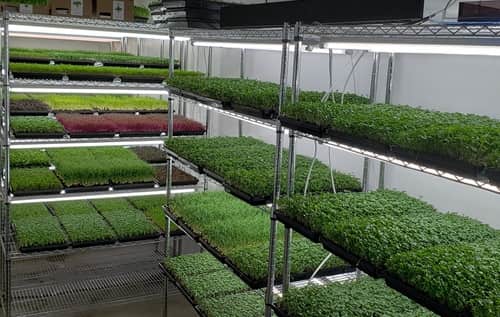
Why Demand is Growing
The reason is simple—people are becoming health conscious.
Demand comes from:
- Fitness and diet-focused individuals
- Restaurants and cafes
- Hotels and chefs
- Organic food buyers
In cities, especially among upper-middle-class consumers, microgreens are seen as a premium health product.
Types of Microgreens Businesses
Your income depends on how you operate.
1. Home-Based Microgreens Farming
- Small scale
- Low investment
- Local selling
2. Commercial Microgreens Farming
- Larger production
- Supply to multiple clients
- Higher investment
3. Direct-to-Consumer Sales
- Sell through subscriptions
- Better margins
4. Restaurant Supply Model
- Supply regularly to hotels and cafes
- Stable income
Most profitable setups combine direct selling + restaurant supply.
Profit Margins in Microgreens Business
Margins can be very high.
- Average margin: 40% to 70%
Example:
- Cost per tray: ₹30–₹50
- Selling price: ₹100–₹300
Since the crop cycle is short (7–14 days), income can be frequent.
Initial Investment Required
You can start with a small budget.
1. Small Setup
- ₹10,000 to ₹50,000
- Trays, seeds, lights
2. Medium Setup
- ₹50,000 to ₹2 lakh
- Shelving, better setup
3. Large Setup
- ₹2 lakh to ₹10 lakh+
- Controlled environment
Main costs include:
- Seeds
- Growing trays
- Lighting (if indoor)
- Water and nutrients
Monthly Expenses You Should Consider
Expenses are low.
- Seeds
- Electricity (if indoor farming)
- Packaging
- Delivery
Compared to many businesses, running cost is minimal.
What Makes This Business Profitable
1. Right Target Market
This is key.
- High-income customers
- Restaurants and cafes
2. Consistent Supply
Buyers expect regular delivery.
- Weekly or daily supply
3. Quality and Freshness
Fresh microgreens sell better.
- Clean and hygienic production
4. Subscription Model
Regular customers bring steady income.
- Weekly delivery plans
5. Low Space Requirement
Can be grown in small indoor areas.
How Much Can You Earn?
Example:
If you sell:
- 100 trays/month
- At ₹150 per tray
Revenue = ₹15,000
After expenses:
- Profit can be ₹8,000 to ₹10,000
With scaling:
- Profit can go ₹50,000 to ₹1 lakh/month
Challenges You Should Know
1. Limited Market Awareness
Not everyone knows about microgreens.
2. Niche Customers
You need specific buyers.
3. Consistency Requirement
Supply must be regular.
4. Shelf Life
Very short shelf life.
5. Marketing Effort
You need to educate customers.
Is It Better Than Other Businesses?
Compared to businesses like gym or furniture, microgreens business is smaller but offers high margins.
Like the gym business, regular customers (subscriptions) are key for stable income .
And similar to the furniture business, presentation and perceived value increase pricing .
Advantages
- Low investment
- High margins
- Fast growth cycle
- Can start from home
Disadvantages
- Niche market
- Limited awareness
- Requires consistent supply
Practical Tips to Increase Profit
- Target restaurants and cafes first
- Educate customers about benefits
- Maintain hygiene and quality
- Offer subscription plans
- Use social media for awareness
- Start small and scale gradually
Final Perspective
The microgreens business in India is a modern and niche opportunity. It may not work everywhere, but in the right market, it can be very profitable.
This is not a volume game—it’s a value game.
If you find the right customers and maintain quality, even a small setup can generate steady income. But without proper market access, it can be difficult.
So yes, it’s profitable—but only if you focus on the right audience and consistency.