Yes, the palm oil business in India can be profitable. But it’s not a small, quick-start business. Profit depends on scale, sourcing, pricing, and government policies. Some traders and processors earn steady margins, while large players make significant profits due to volume.
Palm oil is one of the most widely used edible oils in India. It is used in cooking, packaged foods, and the food processing industry. Because of its low cost and high demand, it plays a major role in the edible oil market.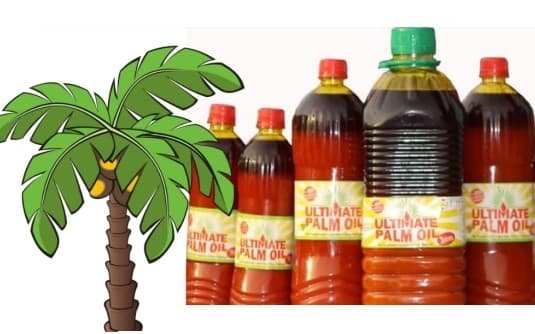
Why Demand is Growing
The reason is simple—palm oil is affordable and widely used.
Demand comes from:
- Household cooking (especially in budget segments)
- Food processing industries
- Restaurants and hotels
- Packaged snack manufacturers
India imports a large portion of its palm oil, which shows how high the demand is.
Types of Palm Oil Businesses
Your income depends on how you enter this sector.
1. Trading Business
- Buy and sell palm oil in bulk
- Low setup cost
- Margin-based income
2. Retail Selling
- Pack and sell under your own brand
- Higher margins
- Requires branding
3. Distribution Business
- Supply to shops and wholesalers
- Moderate margins
- Volume-based
4. Palm Oil Processing / Refining
- Large-scale business
- High investment
- High profit potential
Most small players start with trading or distribution.
Profit Margins in Palm Oil Business
Margins are moderate but stable.
- Trading: 5% to 10%
- Retail/branding: 10% to 25%
Example:
- Purchase price per litre: ₹90
- Selling price: ₹100–₹120
Profit increases with volume.
Initial Investment Required
This is a moderate to high investment business.
1. Small Trading Setup
- ₹2 lakh to ₹10 lakh
2. Distribution Business
- ₹10 lakh to ₹50 lakh
3. Large Processing Unit
- ₹50 lakh to several crores
Main costs include:
- Raw material (oil purchase)
- Storage tanks
- Packaging
- Transportation
Monthly Expenses You Should Consider
Expenses can be significant.
- Inventory purchase
- Transportation
- Storage
- Labor
- Packaging
Price fluctuation affects working capital.
What Makes This Business Profitable
1. Bulk Volume
This is a volume-driven business.
- More sales = more profit
2. Low Procurement Cost
Buying at the right price increases margin.
3. Strong Distribution Network
More outlets = higher sales.
4. Branding (for Retail)
Selling under your own brand increases profit.
5. Market Timing
Prices fluctuate, so timing matters.
How Much Can You Earn?
Example:
If you sell:
- 10,000 litres/month
- Profit ₹10 per litre
Monthly profit = ₹1 lakh
With larger scale:
- Profit can increase significantly
Big players earn much higher income.
Challenges You Should Know
1. Price Fluctuation
Global prices change frequently.
2. Low Margins
Per unit profit is small.
3. High Investment
Requires working capital.
4. Competition
Large brands dominate the market.
5. Government Policies
Import duties and regulations affect business.
Is It Better Than Other Businesses?
Compared to businesses like gym or furniture, palm oil business is more volume-based and less customer-facing.
Like the gym business, consistent demand ensures steady income .
And similar to the furniture business, scale and supply chain efficiency increase profitability .
Advantages
- High demand
- Essential product
- Scalable
- Stable market
Disadvantages
- Low margins
- Price volatility
- High capital requirement
Practical Tips to Increase Profit
- Focus on bulk sales
- Build strong supplier network
- Monitor market prices
- Reduce transportation cost
- Expand distribution channels
- Consider private labeling
Final Perspective
The palm oil business in India is not about high margins—it’s about volume and consistency.
You won’t make big profit from small quantities. But with scale, even small margins turn into strong income.
This is a business that suits those who can manage supply chains and capital effectively.
If you enter with the right strategy and patience, it can become a stable and profitable long-term business.