Yes, the namkeen business in India can be profitable. But it’s not just about frying snacks and selling them. Profit depends on taste, consistency, pricing, and how well you build your brand. Some small shops earn steady daily income, while strong brands scale into large businesses.
Namkeen is a part of everyday Indian life. From tea-time snacks to travel food, demand is constant across all age groups and income levels.
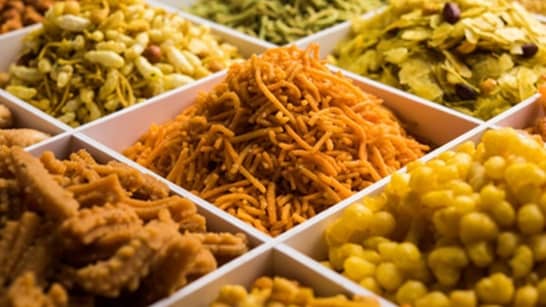
Why Demand is Growing
The reason is simple—people love snacks.
Demand comes from:
- Daily household consumption
- Tea-time snacks
- Festivals and gifting
- Travel and on-the-go eating
Even small towns have high consumption. Unlike many products, namkeen sells in both rural and urban markets.
Types of Namkeen Businesses
Your income depends on how you operate.
1. Small Local Shop
- Freshly made namkeen
- Low investment
- Local customers
2. Wholesale Supply
- Supply to retailers
- High volume
- Lower margin per unit
3. Branded Packaged Namkeen
- Proper packaging and branding
- Higher pricing
- Larger market
4. Online Namkeen Business
- Sell through websites or marketplaces
- Wider reach
- Branding is key
Many successful businesses start small and later build their own brand.
Profit Margins in Namkeen Business
Margins can be good, especially with branding.
- Local namkeen: 20% to 40%
- Branded packaged namkeen: 30% to 60%
Example:
- Cost per kg: ₹80–₹120
- Selling price: ₹150–₹300
Premium packaging and unique flavors increase profit.
Initial Investment Required
You can start with a moderate budget.
1. Small Setup
- ₹50,000 to ₹2 lakh
- Basic utensils and raw materials
2. Medium Setup
- ₹2 lakh to ₹10 lakh
- Machines, packaging
3. Large Setup
- ₹10 lakh to ₹50 lakh+
- Factory, branding, distribution
Main costs include:
- Raw materials (oil, flour, spices)
- Equipment
- Packaging
- Shop setup
Monthly Expenses You Should Consider
Expenses are ongoing.
- Raw materials
- Labor
- Rent (if shop)
- Electricity
- Packaging
Oil and ingredient cost directly affect profit.
What Makes This Business Profitable
1. Taste and Quality
This is everything.
- Good taste = repeat customers
2. Consistency
Same taste every time builds trust.
3. Branding and Packaging
Modern packaging increases value.
- Attractive packets
- Hygienic look
4. Product Variety
More options increase sales.
- Mixtures
- Bhujia
- Chips
- Special snacks
5. Distribution Network
More outlets = more sales.
- Local shops
- Supermarkets
How Much Can You Earn?
Example:
If you sell:
- 100 kg namkeen/month
- Profit ₹80 per kg
Monthly profit = ₹8,000
With scaling:
- 500 kg/month → ₹40,000
- Branded business → ₹1 lakh+ possible
Challenges You Should Know
1. Competition
Many local and big brands exist.
2. Quality Control
Taste must remain consistent.
3. Oil Cost Fluctuation
Affects profit.
4. Shelf Life
Needs proper packaging.
5. Hygiene Standards
Customers expect clean products.
Is It Better Than Other Businesses?
Compared to businesses like gym or furniture, namkeen business offers faster daily cash flow and lower investment.
Like the gym business, repeat customers are key for steady income .
And similar to the furniture business, branding and presentation increase perceived value and pricing .
Advantages
- High demand
- Good margins
- Scalable
- Daily income possible
Disadvantages
- Competition
- Quality consistency needed
- Raw material price changes
Practical Tips to Increase Profit
- Focus on taste and quality
- Maintain hygiene
- Use attractive packaging
- Start with limited products
- Build local distribution
- Offer competitive pricing
- Create your own brand
Final Perspective
The namkeen business in India is simple but powerful. It runs on one key factor—taste.
If your product tastes good, people will come back again and again. That’s what builds a strong business.
Start small, test your products, and improve over time. Once you build a loyal customer base, growth becomes easier.
This is a business where even a small shop can grow into a well-known brand—if you get the basics right.