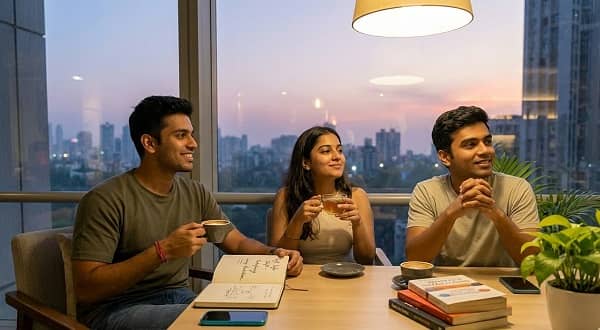
For decades, marriage has been considered one of the most important milestones in Indian society. Traditionally, people were expected to marry at a certain age, start families, and follow socially accepted life patterns. However, urban India is gradually witnessing a major cultural shift. An increasing number of young professionals, entrepreneurs, students, and independent individuals are choosing to stay single for longer periods—or in some cases, permanently.
In cities like Mumbai, Delhi, Bengaluru, and Pune, changing lifestyles, career ambitions, financial pressures, and evolving social values are reshaping how people view relationships and marriage.
Staying single is no longer always seen as a temporary phase before marriage. For many urban Indians, it is becoming a conscious lifestyle choice connected to freedom, personal growth, emotional independence, and modern priorities.
The Changing Face of Urban India
Urban India today looks very different from previous generations. Rapid urbanization, better education, global exposure, digital connectivity, and career-focused lifestyles have changed personal aspirations significantly.
Modern young adults increasingly prioritize:
- Career development
- Financial independence
- Mental health
- Self-growth
- Travel and experiences
- Work-life balance
As lifestyles evolve, traditional timelines for marriage are also shifting.
Many people now believe that marriage should happen only when they feel emotionally and financially ready—not because of societal pressure.
Why More Urban Indians Are Staying Single
Several social and economic factors are contributing to this growing trend.
1. Career and Financial Priorities
One of the biggest reasons behind delayed marriage or long-term singlehood is career ambition. Modern professionals often spend years building careers, pursuing higher education, or establishing financial security before considering marriage.
In competitive urban environments, many people focus heavily on:
- Promotions
- Entrepreneurship
- International opportunities
- Financial stability
- Professional growth
For some, relationships and marriage may feel difficult to balance alongside demanding careers.
Rising living costs in metropolitan cities also play a major role. Managing rent, home loans, daily expenses, and savings already creates financial pressure for many young adults.
2. Greater Focus on Personal Freedom
Modern urban lifestyles encourage individuality and independence more than ever before. Many people enjoy the freedom that comes with being single:
- Flexible schedules
- Solo travel
- Personal space
- Freedom in decision-making
- Less family pressure
Single individuals often have more control over their time, lifestyle, finances, and personal goals.
For many urban Indians, happiness is no longer automatically linked to marriage.
3. Changing Relationship Expectations
Today’s generation often has very different expectations from relationships compared to older generations.
Modern individuals increasingly seek:
- Emotional compatibility
- Equal partnerships
- Mutual respect
- Shared values
- Healthy communication
Rather than entering marriage quickly, many prefer waiting for meaningful and emotionally mature relationships.
Some people also avoid marriage because of fear of:
- Toxic relationships
- Divorce
- Emotional stress
- Loss of independence
As awareness about mental health and emotional well-being increases, people are becoming more selective about long-term commitments.
4. Women’s Financial Independence
The growing financial independence of women has significantly changed urban relationship dynamics in India.
Earlier, marriage was often viewed as essential for financial and social security. Today, educated and working women are increasingly capable of building independent lives and careers.
Many women now prioritize:
- Professional success
- Personal identity
- Financial freedom
- Travel and self-growth
As a result, marriage is becoming more of a personal choice rather than a necessity.
This shift is one of the biggest demographic changes happening in urban India.
5. Influence of Global Culture and Social Media
Global exposure through digital media, streaming platforms, and social networks has also influenced relationship perspectives among Indian youth.
People are now exposed to:
- Diverse lifestyles
- Alternative family structures
- Solo living culture
- Delayed marriage trends worldwide
Social media has normalized conversations around:
- Singlehood
- Mental health
- Relationship boundaries
- Self-love
- Independent living
Urban Indians are increasingly questioning traditional expectations and choosing lifestyles aligned with personal comfort and happiness.
Is Staying Single Always a Permanent Choice?
Not necessarily.
For many people, staying single is a temporary phase focused on:
- Career building
- Emotional healing
- Financial stability
- Personal exploration
Others may choose long-term or permanent singlehood because it aligns with their personality and lifestyle preferences.
The important change is that singlehood is increasingly being viewed as a valid life choice rather than a social problem.
Challenges Faced by Single Individuals in India
Despite changing attitudes, single individuals in India still face social pressure and judgment.
Common societal assumptions include:
- “You will eventually settle down.”
- “Marriage is necessary for happiness.”
- “Who will support you in old age?”
- “Being single means being lonely.”
Family gatherings and social environments may also create emotional pressure for unmarried individuals.
In a society where marriage remains deeply connected to culture and family expectations, choosing to stay single often requires emotional confidence and independence.
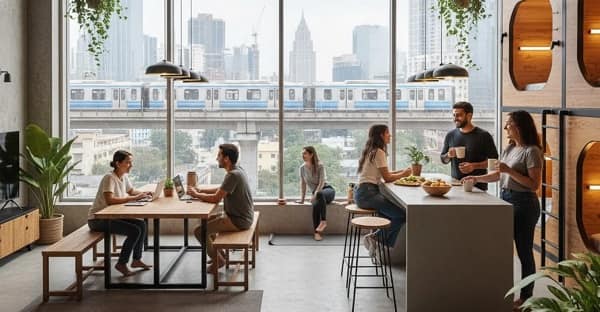
The Rise of Solo Living and Urban Independence
The growth of urban singlehood is also visible in changing housing and lifestyle patterns.
Cities are seeing increasing demand for:
- Studio apartments
- Co-living spaces
- Solo travel experiences
- Individual financial planning
- Lifestyle-centered living
Young professionals are becoming more comfortable living independently and building personal routines outside traditional family structures.
This reflects a broader shift toward self-focused and experience-driven lifestyles.
Does Staying Single Mean Loneliness?
Not necessarily.
Many single individuals maintain fulfilling lives through:
- Friendships
- Hobbies
- Careers
- Family relationships
- Travel
- Communities and social networks
Modern definitions of companionship are evolving beyond traditional marriage.
Emotional fulfillment can come from multiple aspects of life, not only romantic relationships.
The Future of Relationships in Urban India
Marriage is unlikely to disappear from Indian society, but its meaning and timing are clearly changing.
Future trends may include:
- Later marriages
- Smaller families
- More live-in relationships
- Greater acceptance of singlehood
- Flexible family structures
Urban India is slowly moving toward a society where personal choice matters more than rigid social expectations.
Final Thoughts
The rise of singlehood in urban India reflects changing demographics, evolving values, and modern lifestyle priorities. Career ambitions, financial independence, emotional awareness, and personal freedom are influencing how young Indians approach relationships and marriage.
Choosing to stay single does not automatically mean rejecting love, family, or commitment. For many people, it simply means taking control of their life decisions based on personal readiness and emotional well-being.
As Indian society continues to evolve, the idea of a “successful life” is becoming more flexible and individualized. Whether someone chooses marriage, partnership, or singlehood, the focus is increasingly shifting toward personal happiness, balance, and meaningful living.
In the end, fulfillment looks different for everyone—and modern India is slowly learning to accept that.