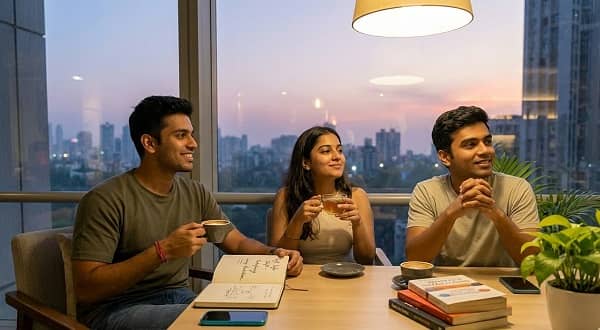
Urban India is witnessing a major lifestyle transformation. Alongside changing career goals, modern relationships, rising living costs, and evolving social values, a growing number of married couples are choosing the DINK lifestyle—Double Income No Kids. Once considered uncommon in Indian society, this lifestyle choice is now becoming increasingly visible among young professionals living in metropolitan cities such as Mumbai, Bengaluru, Delhi, and Hyderabad.
Traditionally, Indian society viewed marriage and parenthood as inseparable. However, modern urban couples are beginning to redefine success, happiness, and family structures according to their personal goals and lifestyles. For many, choosing not to have children—or delaying parenthood indefinitely—is no longer seen as unusual but as a conscious lifestyle decision.
The rise of the DINK culture reflects deeper social, economic, and emotional changes happening across urban India.

What is the DINK Lifestyle?
DINK stands for “Double Income No Kids.” It refers to couples where both partners earn an income but choose not to have children, either temporarily or permanently.
Unlike earlier generations, where parenthood was often considered a social expectation, many modern couples are now prioritizing:
- Career growth
- Financial freedom
- Travel and experiences
- Mental well-being
- Personal independence
- Flexible lifestyles
For some couples, the decision is practical; for others, it is deeply personal.
Why is the DINK Lifestyle Growing in India?
Several factors are contributing to the growing acceptance of DINK relationships in urban India.
1. Rising Cost of Living
Living in metropolitan cities has become increasingly expensive. Housing costs, education fees, healthcare expenses, and lifestyle inflation make raising children financially demanding.
Many couples feel that managing:
- Home loans
- Rent
- Career pressure
- Daily expenses
- Savings goals
is already challenging enough without the additional financial responsibility of parenthood.
Urban professionals often prefer financial stability before making long-term family decisions.
2. Career Priorities and Ambition
Modern Indian professionals are more career-focused than ever before. Both men and women increasingly pursue demanding careers, entrepreneurship, higher education, and global opportunities.
Parenthood often requires significant lifestyle adjustments, especially for women balancing careers and caregiving responsibilities.
Some couples choose the DINK lifestyle because they want:
- Career flexibility
- Professional growth
- Work-life balance
- Freedom to relocate internationally
For many urban couples, professional identity has become equally important as traditional family roles.
3. Desire for Personal Freedom
One of the biggest attractions of the DINK lifestyle is freedom and flexibility. Without parenting responsibilities, couples often enjoy:
- Spontaneous travel
- Flexible schedules
- More personal time
- Better financial planning
- Freedom to pursue hobbies and passions
Many DINK couples prioritize experiences over traditional milestones. Travel, wellness, personal growth, and lifestyle quality often become major priorities.
This shift reflects changing ideas about happiness and fulfillment.
4. Mental Health and Emotional Readiness
Modern generations are becoming more aware of emotional well-being and mental health. Many people now openly discuss:
- Stress
- Burnout
- Emotional exhaustion
- Relationship challenges
Some couples honestly recognize that they may not be emotionally prepared for parenting responsibilities. Instead of becoming parents due to social pressure, they prefer making intentional decisions based on emotional readiness.
This reflects a more self-aware and responsible approach toward family planning.
5. Changing Gender Roles
Traditional Indian family structures often placed caregiving responsibilities mainly on women. However, urban lifestyles are gradually redefining gender roles within marriages.
Women today are more financially independent and career-oriented. Many couples now prefer equal partnerships where both individuals focus on personal and professional growth.
The DINK lifestyle often aligns with modern ideas of:
- Shared responsibilities
- Financial equality
- Mutual independence
- Personal choice
As gender expectations evolve, family structures are also changing.
Social Pressure and Cultural Expectations
Despite growing acceptance in cities, DINK couples in India still face social pressure from relatives, neighbors, and society.
Common questions include:
- “When are you planning children?”
- “Who will take care of you in old age?”
- “A family feels complete only with children.”
In traditional Indian culture, parenthood is still strongly associated with marriage and family identity. As a result, couples choosing a child-free life may face criticism, judgment, or emotional pressure.
However, younger generations are increasingly prioritizing personal happiness over societal expectations.
Financial Advantages of the DINK Lifestyle
One major reason many urban couples choose this lifestyle is financial flexibility.
Without child-related expenses, couples often have greater financial freedom for:
- Investments
- Luxury travel
- Real estate
- Retirement planning
- Entrepreneurship
- Lifestyle upgrades
DINK households may also experience reduced financial stress compared to families managing school fees, childcare, and long-term parenting expenses.
This financial independence often allows couples to focus on experiences and future security.
The Rise of Lifestyle-Centered Living
The DINK trend also reflects the growing popularity of lifestyle-centered living in urban India. Younger generations increasingly value:
- Peace of mind
- Flexibility
- Mental wellness
- Minimal stress
- Quality relationships
- Work-life balance
For many couples, success is no longer defined only by marriage and children but by emotional fulfillment and lifestyle satisfaction.
Modern urban India is gradually shifting from “socially expected life paths” toward “personally chosen lifestyles.”
Challenges of the DINK Lifestyle
While the DINK lifestyle offers many advantages, it also comes with certain challenges.
Some couples may experience:
- Family pressure
- Social isolation
- Fear of aging alone
- Cultural judgment
- Difficulty relating to traditional family circles
In India’s family-oriented society, choosing a non-traditional path often requires emotional confidence and strong communication within relationships.
Is the DINK Lifestyle Permanent?
Not always. Some couples choose the DINK lifestyle temporarily to focus on careers, finances, or personal growth before planning children later.
Others may remain permanently child-free by choice.
The important point is that modern couples increasingly view parenthood as a personal decision rather than a compulsory life milestone.
Final Thoughts
The rise of the DINK lifestyle in urban India reflects broader social and cultural transformation. Changing career priorities, financial realities, emotional awareness, and evolving definitions of happiness are reshaping how modern Indian couples view marriage and family life.
Choosing a DINK lifestyle does not mean rejecting family values—it simply means redefining them according to personal goals and circumstances.
As Indian society continues to modernize, lifestyle choices are becoming more diverse and individualized. Whether couples choose parenthood or not, the focus is gradually shifting toward conscious decision-making, emotional well-being, and mutual respect.
In the end, every relationship is unique, and fulfillment looks different for everyone.