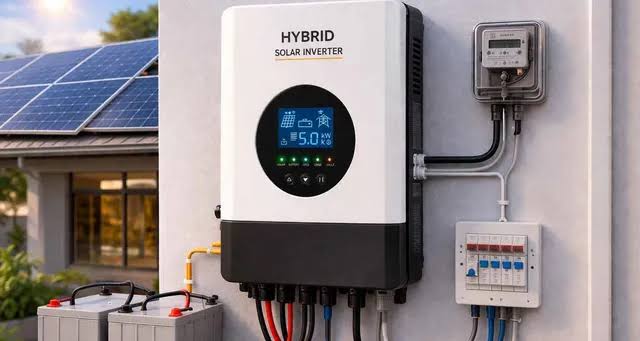
An off-grid solar system can provide dependable electricity where grid power is unavailable. Its performance depends on components such as solar panels, batteries, and an inverter working within their intended limits. The inverter converts solar energy into usable electricity for connected appliances.
An off-grid Photovoltaic (PV) Inverter manages the power supplied to household loads while working with the battery and solar array. Excessive demand can cause overloads, leading to warnings or protective shutdowns. Understanding the reasons behind these issues can help maintain efficient system operation.
Let’s learn about the common causes and warning signs of off-grid PV inverter overload and ways to prevent it.
What is an O ff-grid PV Inverter Overload?
An overload occurs when the electrical demand connected to an inverter exceeds its rated output capacity. Every inverter has a specified limit for the amount of power it can supply continuously. It may also have a separate short-term capacity for handling starting loads.
For example, a refrigerator or water pump may draw a higher amount of power when its motor starts. If several appliances with high starting requirements operate together, the combined demand can exceed the inverter’s capacity.
An off-grid PV inverter may respond by activating its built-in protection system. Depending on the model, this can result in an overload warning, temporary shutdown, or interruption of power to connected appliances.
Selecting the inverter based on actual electricity requirements is therefore important. The assessment should consider the appliances expected to operate at the same time, their running power, starting requirements, battery specifications, and solar panel capacity. An appropriately sized off-grid PV inverter can provide suitable capacity for the intended loads while allowing the system to operate within its design limits.
Common Causes of Off-grid PV Inverter Overload
Several usage and system-related factors can contribute to an overload.
- Running Several High-power Appliances Together
Using multiple high-consumption appliances at the same time can quickly increase the total electrical load. Air conditioners, electric heaters, microwave ovens, washing machines, and water pumps can each require significant power.
If their combined demand crosses the inverter’s rated output, an overload can occur. Checking the wattage of frequently used appliances can help users understand their overall consumption.
- High Starting Power from Motor-driven Appliances
Some appliances need a temporary surge of electricity when their motors or compressors start. Refrigerators, pumps, air conditioners, and certain power tools are common examples.
The running power of these appliances may appear suitable for the system, while their starting requirement can create a short but significant increase in demand. This is an important consideration when selecting an inverter.
- Changes in Household Power Consumption
Adding new appliances can change the amount of electricity a solar system needs to supply. A system that previously handled regular household loads may experience greater demand after the addition of equipment such as a larger refrigerator, pump, or air conditioner.
Reviewing the total load after significant changes can help determine if the existing inverter capacity remains suitable.
Warning Signs of Off-grid PV Inverter Overload
Recognising warning signs can help users respond before repeated overloads disrupt normal operation.
1. Overload Alerts
Many inverters display an overload message, warning code, or indicator when electrical demand crosses a defined limit. Users should check the product manual to understand what each alert means instead of ignoring repeated warnings.
2. Unexpected Power Shutdowns
An off-grid PV inverter may temporarily stop supplying electricity when its protection mechanism detects excessive demand. If the system repeatedly shuts down when several appliances are switched on, the connected load should be assessed.
3. Increased Heat
Excessive electrical demand can increase the heat produced by electrical equipment. If the inverter feels unusually warm or its cooling fan operates frequently, users should check the manufacturer’s operating requirements and ventilation recommendations.
4. Appliances Turning Off During Use
An appliance that switches off unexpectedly while several other devices are operating can indicate that the system is reaching its available power limit. Repeated occurrences should be investigated rather than treated as an isolated appliance issue.
How to Prevent Off-grid PV Inverter Overload
A few practical measures can help keep electrical demand within the system’s rated capacity.
1. Calculate the Combined Appliance Load
Make a list of appliances that may operate simultaneously and note their rated wattage. Adding these figures provides a basic estimate of the required operating capacity. For a more accurate assessment, consider the actual usage pattern rather than simply adding every appliance in the property.
2. Account for Starting Requirements
Check the starting or surge power requirements of appliances with motors and compressors. This information can usually be found in the product specifications or obtained from the manufacturer. Considering these temporary power demands helps avoid selecting an inverter based solely on normal running wattage.
3. Avoid Unnecessary Simultaneous Usage
When the system has limited capacity, avoid operating several high-power appliances together. For example, running a water pump at the same time as multiple high-consumption kitchen appliances can create an avoidable spike in demand. Spreading high-power activities across different periods can help maintain a manageable load.
4. Maintain Adequate Ventilation
Keep the inverter’s ventilation openings clear and install the unit in a location that meets the manufacturer’s requirements. Dust, restricted airflow, and unsuitable installation conditions can affect heat management. Regular visual checks can help identify blocked vents or other obvious issues.
5. Respond to Repeated Warnings
If an off-grid PV Inverter continues to show overload warnings after high-power appliances have been switched off, the issue should be assessed by a qualified professional. Repeatedly resetting the equipment without identifying the cause may leave an underlying problem unresolved.
What to Do When an Off-grid PV Inverter Shows an Overload Warning
A systematic response can help identify the source of excessive electrical demand.
1. Switch Off High-power Appliances
Turn off non-essential high-power appliances and check if the overload warning clears.
2. Check the Inverter Display
Look for error codes or warning messages and refer to the manufacturer’s instructions for the recommended action.
3. Reset as Recommended
If a reset is required, follow the procedure provided by the manufacturer. Avoid repeatedly switching the inverter on and off.
4. Get the System Inspected
If the warning returns after normal loads are restored, ask a qualified solar professional to check the system’s capacity, connections, and operating conditions.
5. Avoid DIY Repairs
Do not open, modify, or repair the inverter without appropriate technical expertise.
Prevent Off-grid PV Inverter Overload With Better Load Planning
Managing the electrical load is an important part of operating an off-grid solar system. High simultaneous consumption, appliance starting surges, changes in household demand, and unsuitable system capacity can all contribute to overload conditions.
Before adding high-power equipment, review the system’s capacity and consider how the additional load will affect existing usage. Paying attention to warning indicators, maintaining proper ventilation, and following the manufacturer’s operating instructions can also support reliable system operation. Energy solution providers like Eastman Auto & Power Limited can help users assess their energy requirements and identify suitable solar power solutions.
With appropriate load planning and system selection, an off-grid PV inverter can support effective power management for an off-grid setup.