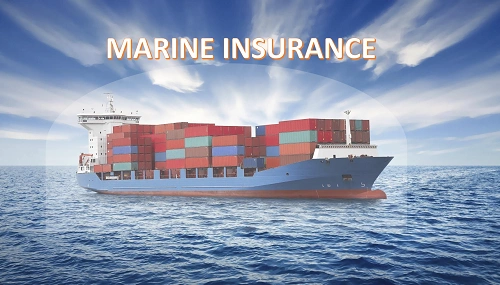
Global trade depends heavily on the movement of goods across seas, rivers, ports, and borders. From raw materials to finished products, enormous values are transported daily through ships, cargo vessels, and multimodal logistics networks. While marine transport is efficient and cost-effective, it also carries significant risks. Storms, accidents, piracy, theft, fire, and handling damage can cause substantial financial losses. Marine insurance exists to protect businesses and traders against these uncertainties.
For exporters, importers, logistics companies, and ship owners, marine insurance is not merely a legal or contractual formality. It is a critical risk management tool that ensures business continuity when unforeseen events disrupt cargo movement. At the same time, marine insurance policies have specific conditions and limitations that must be clearly understood to avoid disputes during claims.
This article explains marine insurance in detail by exploring its structure, key features, major benefits, and inherent limitations, helping businesses make informed decisions.
What Is Marine Insurance?
Marine insurance is a type of insurance that provides financial protection against loss or damage to ships, cargo, terminals, and other assets involved in the transportation of goods by sea, air, rail, or road. Despite the name, marine insurance extends beyond sea transport and often covers inland transit and multimodal shipments.
Under a marine insurance contract, the insurer agrees to indemnify the insured against losses arising from specified perils during the course of transit, in exchange for a premium.
Marine insurance plays a vital role in international trade by reducing financial uncertainty and enabling smooth commercial transactions.
Types of Marine Insurance
1. Cargo Insurance
Cargo insurance covers loss or damage to goods while in transit. It applies to imports, exports, and domestic shipments and is widely used by traders and manufacturers.
2. Hull Insurance
Hull insurance provides coverage for physical damage to ships and vessels, including machinery and equipment. This type of insurance is primarily used by ship owners.
3. Freight Insurance
Freight insurance protects the freight charges payable to the carrier. If goods are lost or damaged, the insurer compensates the freight loss.
4. Liability Insurance
Marine liability insurance covers legal liabilities arising from damage caused to third parties, including collisions, pollution, and injury to crew members.
5. Open and Specific Policies
- Open policies cover multiple shipments over a period of time.
- Specific policies cover a single shipment or voyage.
Key Features of Marine Insurance
1. Coverage for Transit Risks
Marine insurance covers risks associated with the transportation of goods, including:
- Accidents during loading and unloading
- Fire and explosion
- Storms and natural calamities
- Vessel sinking or capsizing
- Theft and pilferage
Coverage depends on the policy terms and selected clauses.
2. All-Risk and Named Peril Coverage
Marine insurance policies may be issued on an all-risk basis or for specific named perils. All-risk coverage provides broader protection, while named peril policies cover only listed risks.
3. Inland and Multimodal Coverage
Modern marine insurance policies extend coverage beyond sea transit to include road, rail, and air transport. This ensures protection throughout the entire supply chain.
4. Flexible Policy Structures
Marine insurance policies can be customized based on:
- Nature of goods
- Mode of transport
- Transit route
- Value of cargo
This flexibility makes marine insurance suitable for diverse business needs.
5. Coverage for General Average
Marine insurance covers general average losses, where all stakeholders share losses incurred to save a vessel and cargo during an emergency.
6. Warehouse-to-Warehouse Coverage
Many marine cargo policies provide warehouse-to-warehouse coverage, meaning protection starts from the seller’s warehouse and continues until delivery at the buyer’s warehouse.
7. Valuation and Indemnity
Marine insurance policies indemnify the insured based on the insured value of goods, which may include invoice value, freight, insurance cost, and expected profit.
Benefits of Marine Insurance
1. Financial Protection for Trade Goods
Marine insurance protects businesses from significant financial losses arising from damage or loss of goods in transit. This is essential for maintaining cash flow and operational stability.
2. Business Continuity and Risk Management
By transferring transit-related risks to the insurer, businesses can operate with confidence and focus on core activities without fear of catastrophic losses.
3. Facilitates International Trade
Marine insurance is often a requirement under international trade contracts and letters of credit. It ensures compliance with trade regulations and smooth execution of transactions.
4. Protection Against Natural and Man-Made Risks
Marine insurance provides coverage against both natural calamities and man-made risks such as piracy, theft, and mishandling.
5. Customizable Coverage for Different Industries
Different industries transport different types of goods, each with unique risk profiles. Marine insurance can be tailored to suit commodities such as electronics, chemicals, machinery, or perishable goods.
6. Coverage for Multiple Stakeholders
Marine insurance benefits exporters, importers, carriers, freight forwarders, and financiers by protecting their financial interests in transit.
7. Legal and Contractual Compliance
Having marine insurance helps businesses meet contractual obligations with buyers, sellers, and financial institutions.
Limitations of Marine Insurance
1. Policy Exclusions
Marine insurance policies exclude certain losses, such as:
- Inherent vice or nature of goods
- Ordinary leakage or wear and tear
- Improper packing
- Delay in transit
- War and nuclear risks (unless specifically covered)
Understanding exclusions is critical.
2. Coverage Conditions and Clauses
Marine insurance operates under specific clauses such as Institute Cargo Clauses (A, B, or C). Coverage varies significantly depending on the clause selected.
3. Documentation and Claim Complexity
Claims require detailed documentation, including bills of lading, invoices, survey reports, and delivery records. Incomplete documentation can delay or reduce claim settlements.
4. Limited Coverage for Delay Losses
Losses caused purely by delay, even if the delay results from a covered peril, are generally excluded unless specifically insured.
5. Deductibles and Excess
Marine insurance policies often include deductibles, requiring the insured to bear a portion of the loss.
6. Valuation Disputes
Disputes may arise regarding the valuation of goods, especially if insured value does not accurately reflect actual market value at the time of loss.
7. Cost of Comprehensive Coverage
All-risk marine insurance with extended clauses can increase premium costs. Businesses must balance coverage needs with affordability.
Who Should Buy Marine Insurance?
Marine insurance is essential for:
- Exporters and importers
- Manufacturers shipping goods
- Traders and wholesalers
- Logistics and freight forwarding companies
- Ship owners and operators
Even domestic traders transporting goods across states can benefit from marine insurance.
Conclusion
Marine insurance is a cornerstone of modern trade and logistics. It protects goods, vessels, and financial interests from a wide range of transit-related risks, enabling businesses to operate with confidence in uncertain environments.
However, marine insurance is not a blanket guarantee against all losses. Exclusions, policy clauses, documentation requirements, and valuation issues can affect claim outcomes. A clear understanding of policy terms and proper risk assessment are essential for effective coverage.
When structured correctly and aligned with business operations, marine insurance serves its purpose effectively — safeguarding trade, supporting commerce, and ensuring financial stability in the movement of goods across borders and beyond.