Yes, the brick making business in India can be profitable. But this is not a small or easy business. It requires land, labor, and steady demand from construction projects. Profit depends mainly on scale, location, and how efficiently you manage production and costs.
India’s construction sector is always active—houses, roads, commercial buildings, and infrastructure projects are constantly being built. Bricks are one of the most basic materials in this industry. That’s why demand is strong and long-term. But profit doesn’t come just from demand. It comes from managing operations smartly.
Why Demand is Strong
The biggest reason this business works is simple—construction never stops.
Demand comes from:
- Residential houses
- Government projects
- Commercial buildings
- Rural construction
Even in small towns and villages, brick demand is steady. Population growth and urban expansion keep the market active throughout the year.
Types of Brick Businesses
There are different ways to enter this business. Profit depends on the type you choose.
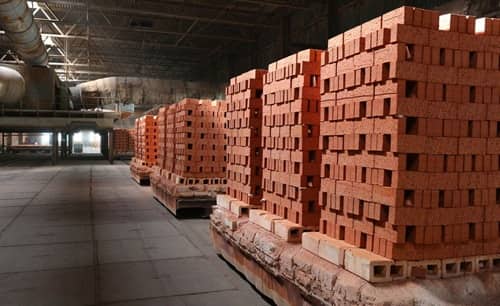
1. Traditional Clay Brick Kiln
- Most common in India
- Low technology
- High labor requirement
2. Fly Ash Brick Manufacturing
- Made from industrial waste
- Eco-friendly
- Growing demand
3. Concrete Block Manufacturing
- Used in modern construction
- Higher initial investment
- Better consistency
Among these, fly ash bricks are becoming more popular due to government support and environmental benefits.
Profit Margins in Brick Business
Margins in this business are moderate but stable.
- Average profit margin: 10% to 30%
- Per brick profit: ₹0.50 to ₹2 (depends on scale and cost)
Profit may look small per unit, but this is a volume-based business.
For example:
- Selling 1 lakh bricks → small margin per brick becomes large total profit
So scale plays a big role.
Initial Investment Required
This business needs significant investment compared to small retail businesses.
1. Small Brick Kiln
- ₹5 lakh to ₹15 lakh
- Basic setup
2. Medium Scale Plant
- ₹15 lakh to ₹50 lakh
- Better machinery and production capacity
3. Large Automated Plant
- ₹50 lakh to ₹2 crore+
- High efficiency and output
Major costs include:
- Land (very important)
- Machinery
- Raw materials (clay, fly ash, cement)
- Labor
- Transportation
Land availability is one of the biggest factors in starting this business.
Monthly Expenses You Should Expect
Running a brick business involves continuous expenses.
- Labor wages
- Fuel (coal or electricity)
- Raw materials
- Transportation
- Maintenance
Fuel cost is a major factor, especially in traditional kilns. If fuel prices increase, your profit reduces.
What Makes This Business Profitable
1. Large-Scale Production
Small production gives very low returns.
- Low volume → low profit
- High volume → strong profit
This business works best when production is high.
2. Location Near Construction Areas
If your unit is close to:
- Cities
- Growing towns
- Construction sites
then transportation cost reduces and demand stays high.
3. Low Production Cost
Controlling cost is key.
- Efficient use of raw materials
- Reduced fuel consumption
- Proper labor management
Lower cost per brick = higher profit.
4. Shift to Fly Ash Bricks
Fly ash bricks offer advantages:
- Lower environmental impact
- Government support
- Increasing demand
They can be more profitable in the long run.
5. Strong Supply Network
Having regular buyers ensures steady income.
- Builders
- Contractors
- Government projects
Bulk orders are more profitable than small retail sales.
How Much Can You Earn?
Earnings depend on scale.
- Small unit: ₹50,000 to ₹2 lakh monthly profit
- Medium unit: ₹2 lakh to ₹5 lakh profit
- Large plant: much higher income
During peak construction seasons, profits can increase significantly.
Challenges You Should Know
1. Seasonal Business
Production is affected by weather.
- Rainy season reduces output
- Demand fluctuates
2. Labor Dependency
This business requires a large workforce.
- Labor shortage can affect production
- Managing workers is challenging
3. Environmental Regulations
Brick kilns face strict rules due to pollution.
You may need:
- Government approvals
- Pollution control compliance
4. High Transportation Cost
Bricks are heavy.
Transporting them over long distances increases cost and reduces profit.
5. Competition
Local competition is common. Many small manufacturers operate in the same region.
Is It Better Than Other Manufacturing Businesses?
Advantages
- Constant demand
- Simple production process
- Scalable business
Disadvantages
- High initial investment
- Low margin per unit
- Labor-intensive
- Weather-dependent
Compared to other businesses, brick manufacturing offers stability but requires effort and scale.
Practical Tips to Increase Profit
- Choose location carefully
- Focus on bulk buyers
- Control fuel and raw material costs
- Invest in better machinery for efficiency
- Maintain consistent quality
- Explore eco-friendly options like fly ash bricks
These steps can improve long-term profitability.
Final Verdict
The brick making business in India has strong profit potential because of continuous demand from the construction sector. However, it is not a quick-profit or low-effort business.
If you:
- Operate at a good scale
- Control production costs
- Build strong buyer connections
- Choose the right location
then this business can generate steady and reliable income.
In simple terms, this is a volume-driven and operational business. Success depends less on creativity and more on efficiency, planning, and consistent supply.