Yes, the e-rickshaw business in India can be profitable. It’s one of the most practical small transport businesses today because it combines low running cost with daily demand. But like any vehicle-based business, profit depends on usage, maintenance, and how efficiently you operate.
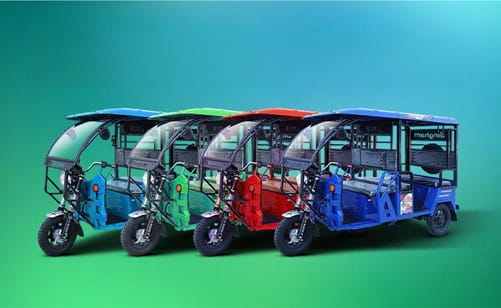
E-rickshaws have become very common in cities and towns. They are widely used for short-distance travel, especially in crowded areas where bigger vehicles struggle. Their low cost and eco-friendly nature have made them a popular choice for both drivers and passengers.
Why Demand is Strong
The biggest reason this business works is simple—people need affordable and short-distance transport every day.
Demand comes from:
- Local commuters
- Market areas
- Railway stations and bus stands
- School and office routes
In many areas, e-rickshaws have replaced cycle rickshaws and small autos because they are cheaper and easier to operate.
Types of E-Rickshaw Business Models
Profitability depends on how you run the business.
1. Self-Driving (Owner Driver)
- You drive your own e-rickshaw
- No driver salary
- Higher profit
2. Rental Model
- You own multiple e-rickshaws
- Rent them to drivers
- Fixed daily income
3. Fleet Business
- Multiple vehicles
- Organized operations
- Higher scale
Most beginners start by driving themselves and expand later.
Profit Margins in E-Rickshaw Business
Margins are generally good due to low operating cost.
- Daily earnings: ₹800 to ₹2,000
- Monthly profit: ₹20,000 to ₹50,000
Electricity cost is much lower than fuel, which increases profit.
Initial Investment Required
Investment is relatively low compared to other vehicle businesses.
1. Single E-Rickshaw
- ₹1 lakh to ₹2 lakh
2. Small Fleet (3–5 vehicles)
- ₹5 lakh to ₹10 lakh
3. Larger Fleet
- ₹10 lakh to ₹50 lakh+
Some government subsidies or financing options may also be available.
Monthly Expenses You Should Consider
Expenses are manageable.
- Battery charging (electricity)
- Maintenance
- Battery replacement (after 1–2 years)
- Minor repairs
Compared to petrol or diesel vehicles, running cost is much lower.
What Makes This Business Profitable
1. High Daily Usage
More trips = more income.
Idle time reduces earnings.
2. Low Operating Cost
Electric charging is cheaper than fuel.
This increases profit margins.
3. Strategic Routes
Operating in busy areas improves income.
Best locations:
- Markets
- Stations
- Residential areas
4. No Fuel Dependency
No petrol or diesel cost means stable expenses.
5. Rental Income Option
Owning multiple vehicles allows passive income through rent.
How Much Can You Earn?
Example:
If you earn:
- ₹1,200 per day
Monthly revenue ≈ ₹36,000
After expenses:
- Profit can be ₹20,000 to ₹30,000
With multiple vehicles, income increases.
Challenges You Should Know
1. Battery Replacement Cost
Batteries need replacement after some time.
2. Competition
Many e-rickshaws operate in the same area.
3. Weather Conditions
Rain and extreme heat can affect operations.
4. Local Regulations
Some cities have rules for operation.
5. Income Depends on Effort
More work = more earnings.
Is It Better Than Other Transport Businesses?
Advantages
- Low investment
- Low running cost
- Daily income
- Eco-friendly
Disadvantages
- Limited earning per vehicle
- Dependent on daily work
- Battery-related issues
Compared to taxi or car rental businesses, e-rickshaws require less investment and offer quicker returns.
Practical Tips to Increase Profit
- Choose high-demand routes
- Maintain battery properly
- Work during peak hours
- Keep vehicle in good condition
- Consider fleet expansion
Final Verdict
The e-rickshaw business in India is a practical and accessible way to earn steady income. It works best for individuals looking for a low-investment, daily-income business.
If you:
- Use your vehicle regularly
- Control maintenance costs
- Operate in busy areas
then this business can be profitable.
In simple terms, this is a ground-level business that rewards consistency. The more efficiently you run your vehicle, the better your earnings will be.