Yes, the frozen food business in India can be profitable. But it’s not just about storing food in a freezer and selling it. Profit depends on product quality, cold storage management, distribution, and branding. When done right, it can become a scalable and long-term business.
India’s lifestyle is changing fast. Busy schedules, working professionals, and nuclear families have increased demand for ready-to-cook and ready-to-eat food. Frozen food fits perfectly into this trend, which is why the market is growing steadily.
Why Demand is Growing
The main reason this business works is simple—people want convenience without compromising taste.
Demand comes from:
- Working professionals
- Students living alone
- Families looking for quick meal options
- Restaurants and cloud kitchens
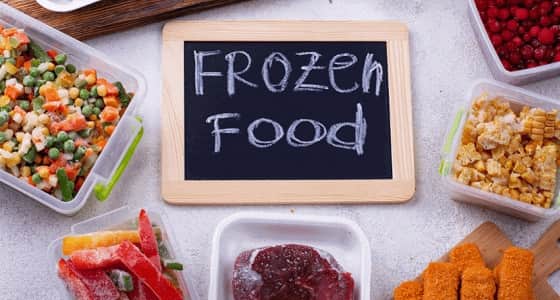
Products like frozen snacks, parathas, vegetables, and meat are becoming common in urban households.
Types of Frozen Food Businesses
Profitability depends on your business model.
1. Manufacturing Business
- Produce frozen food products
- High investment
- High profit potential
2. Wholesale Distribution
- Supply to retailers and hotels
- Moderate margins
- High volume
3. Retail Store
- Sell directly to customers
- Better margins
- Location matters
4. Private Label Brand
- Sell under your own brand
- High margins
- Requires marketing
Many businesses combine manufacturing and branding for better profits.
Profit Margins in Frozen Food Business
Margins vary based on scale and product type.
- Wholesale margin: 10% to 20%
- Retail margin: 20% to 40%
- Branded products: 30% to 60%+
Example:
- Cost of product: ₹100
- Selling price: ₹200–₹300
Value-added products bring higher margins.
Initial Investment Required
Investment depends on your setup.
1. Small Distribution Business
- ₹2 lakh to ₹10 lakh
2. Retail Store
- ₹5 lakh to ₹15 lakh
3. Manufacturing Unit
- ₹20 lakh to ₹1 crore+
Major costs include:
- Freezers and cold storage
- Raw materials
- Packaging
- Transportation
Cold chain setup is a key investment.
Monthly Expenses You Should Consider
Expenses are higher due to storage needs.
- Electricity (freezers consume a lot)
- Rent
- Staff salaries
- Transportation
- Maintenance
Electricity is one of the biggest costs.
What Makes This Business Profitable
1. Strong Cold Chain Management
Maintaining temperature is critical.
- Proper storage
- Reliable transportation
This ensures product quality.
2. Product Quality and Taste
Customers care about taste.
- Good flavor
- Consistent quality
Quality leads to repeat customers.
3. Branding and Packaging
Popular brands like
McCain and
ITC Master Chef
charge higher prices due to branding.
Good packaging increases perceived value.
4. Distribution Network
Supplying to:
- Supermarkets
- Restaurants
- Online platforms
ensures steady sales.
5. Growing Urban Market
Urban areas have higher demand for frozen food.
How Much Can You Earn?
Earnings depend on scale.
- Small business: ₹50,000 to ₹2 lakh monthly profit
- Medium business: ₹2 lakh to ₹5 lakh
- Large business: much higher
With strong distribution, income can grow significantly.
Challenges You Should Know
1. High Electricity Cost
Freezers require constant power.
2. Cold Chain Management
Temperature issues can spoil products.
3. Competition
Many brands already exist.
4. Shelf Life Management
Products must be sold before expiry.
5. Initial Investment
Setup cost can be high.
Is It Better Than Other Food Businesses?
Advantages
- Growing demand
- Scalable
- Long shelf life
- High margins (branded products)
Disadvantages
- High setup cost
- Storage dependency
- Competition
Compared to fresh food businesses, frozen food offers better scalability.
Practical Tips to Increase Profit
- Focus on high-demand products
- Maintain strong cold storage
- Build brand gradually
- Target urban markets
- Expand distribution network
Final Verdict
The frozen food business in India is closely tied to changing lifestyles. As people look for quicker meal options without spending time cooking, this market continues to expand.
It’s not the easiest business to start because of storage and logistics requirements. But once systems are in place—especially cold chain and distribution—the business becomes easier to scale.
In the long run, those who focus on quality, consistency, and brand building tend to benefit the most. This is not just a trading business; it’s about creating products that people trust to keep in their kitchens.