The Indian hotel industry has entered a phase few expected to arrive this quickly. What began as a post-pandemic recovery has now transformed into a full-scale expansion cycle powered by domestic tourism, religious travel, corporate events, and rising lifestyle spending.
In 2026, the industry is no longer struggling to fill rooms. It is struggling to build enough of them.
Average Room Rates (ARRs) across major cities are now 25–30% higher than pre-pandemic levels, occupancy remains strong at nearly 70%, and Revenue Per Available Room (RevPAR) continues to climb. From luxury palaces to budget hotels in pilgrimage cities, demand is spreading across every category of hospitality.
The growth is being driven largely by Indian travelers themselves. Domestic tourism now contributes nearly 85% of hotel occupancy, making the sector far less dependent on international arrivals than before. Religious tourism, destination weddings, “bleisure” travel, and MICE events are creating a structural shift in demand patterns.
At the same time, hotel chains are expanding aggressively. Companies like Indian Hotels Company Limited (Taj), ITC Hotels, and global operators are racing to capture the next wave of growth in Tier-2 and Tier-3 cities.
But this boom also comes with pressure. Labor shortages, rising construction costs, climate risks, and competition from alternative stays are reshaping the economics of hospitality.
In 2026, the Indian hotel industry is no longer in recovery mode. It is entering one of the biggest growth phases in its history.
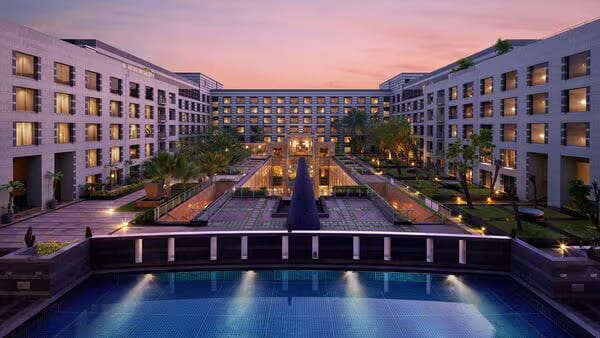
Hotel Industry Industry Overview
| Parameter | Detail |
| Occupancy Levels | ~68%–72% |
| RevPAR Growth | ~12% projected (FY27) |
| Fastest Growing Segment | Spiritual & Religious Tourism |
| Core Growth Driver | Domestic Travel (~85% occupancy contribution) |
| Expansion Trend | Asset-light hotel growth |
| Major Infrastructure Push | MICE & Religious Corridors |
| Technology Trend | AI pricing & contactless check-ins |
Strengths
Strong domestic tourism demand: Indian travelers now account for nearly 85% of occupancy, making the sector more resilient against global geopolitical disruptions and international travel shocks.
Record-high room rates and profitability: Average Room Rates in Tier-1 cities remain 25–30% above pre-pandemic levels, while RevPAR is projected to grow another 12% in FY27.
Boom in religious and spiritual tourism: Cities like Ayodhya, Varanasi, and Ujjain are becoming major hospitality growth centers due to large-scale infrastructure development.
Strong recovery in MICE travel: Convention hubs like Bharat Mandapam and Yashobhoomi are driving corporate and exhibition demand.
Shift toward asset-light expansion: Hotel chains increasingly prefer management contracts and franchising over ownership, allowing rapid expansion with lower capital risk.
Weaknesses
Severe manpower shortages: The industry faces a 20–25% shortage of skilled workers, with many hospitality professionals shifting toward retail and technology sectors.
High real-estate and financing costs: Building new hotels remains expensive due to elevated land and borrowing costs, creating a supply-demand imbalance.
Foreign tourist arrivals still below peak levels: While domestic tourism is booming, high-spending international travelers have not fully returned to pre-2019 levels.
Operational cost pressures: Electricity, food, and laundry costs continue to rise, squeezing margins — especially for budget and mid-scale hotels.
Dependence on seasonal demand patterns: Many leisure-focused regions still experience strong seasonal fluctuations.
Opportunities
Expansion into Tier-2 and Tier-3 cities: Government initiatives like the UDAN scheme are improving connectivity, creating huge opportunities in emerging cities such as Indore and Surat.
Growth of wellness and bleisure travel: Hotels offering wellness retreats, co-working spaces, and “workation” experiences are attracting premium customers and longer stays.
Eco-tourism and ESG-driven hospitality: Demand for sustainable hotels with solar energy, water recycling, and zero-plastic policies is rising sharply among corporate and international travelers.
Technology integration and AI pricing: Hotels are increasingly adopting AI-driven dynamic pricing and automated guest services to improve occupancy and margins.
Luxury destination weddings: India’s destination wedding industry continues to grow rapidly, benefiting premium hotels and resorts.
Threats
Climate and weather volatility: Heatwaves and weak monsoon forecasts are increasingly affecting seasonal travel patterns and outdoor tourism.
Competition from homestays and villa platforms: Platforms like Airbnb and organized villa operators are capturing leisure-travel demand, especially among families and groups.
Rising operational inflation: Food inflation, electricity costs, and staffing expenses continue to pressure profitability.
Geopolitical travel uncertainty: Global tensions affecting airline routes and fuel prices can reduce long-distance travel demand.
Oversupply risk in select luxury markets: Aggressive expansion by hotel chains may eventually create pricing pressure in certain cities.
Verdict
The Indian hotel industry in 2026 is experiencing one of the strongest demand cycles in its history. Domestic tourism, religious travel, MICE events, and lifestyle spending are combining to create a powerful long-term growth story.
Its biggest advantage today is structural demand. Unlike earlier cycles driven heavily by foreign tourists, the current boom is being powered primarily by Indian consumers themselves.
But the industry also faces important challenges. Labor shortages, rising costs, climate volatility, and changing traveler expectations are increasing operational complexity.
The next phase for the sector will depend on three key factors. First, how quickly hotel chains expand capacity without oversupplying the market. Second, how effectively they adopt technology and sustainability practices. And third, how well they capture growth beyond metros in emerging travel destinations.
India’s hospitality sector has moved beyond recovery. In 2026, it is becoming one of the country’s strongest consumption and infrastructure growth stories.