Yes, the ice cube business in India can be profitable. But it’s not a glamorous business. It’s a volume-based, daily supply model where profit comes from consistent orders rather than high margins per unit. If managed properly, it can generate steady income, especially in hot regions and urban areas.
India’s climate plays a big role here. In most parts of the country, demand for ice stays strong for a large part of the year. From street vendors to hotels, many businesses depend on regular ice supply.
Why Demand is Growing
The reason is simple—ice is used everywhere.
Demand comes from:
- Juice shops and street vendors
- Restaurants and bars
- Hotels and catering services
- Fish and meat vendors
- Event organizers
In cities like Bhubaneswar, where summers are hot and humid, ice becomes a daily necessity for many small businesses. This keeps demand steady.
Types of Ice Cube Businesses
Your earnings depend on the model you choose.
1. Small Local Supply
- Supply to nearby shops
- Low investment
- Limited scale
2. Commercial Ice Plant
- Produce large quantities
- Supply to multiple businesses
- Higher investment
3. Packaged Ice Cube Business
- Branded ice packets
- Sell to supermarkets and retail stores
- Higher margins
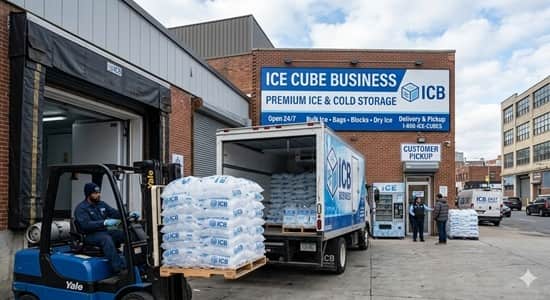
4. Industrial Ice Supply
- Large ice blocks for fisheries and transport
- Bulk orders
- Stable demand
Most small entrepreneurs start with local supply and then expand.
Profit Margins in Ice Cube Business
Margins are not very high, but volume makes the difference.
- Small scale margin: 10% to 25%
- Packaged ice: 20% to 40%
Example:
- Cost to produce 1 kg ice: ₹2–₹4
- Selling price: ₹5–₹10
Profit per unit is small, but selling large quantities daily brings good income.
Initial Investment Required
Investment depends on scale.
1. Small Setup
- ₹1 lakh to ₹5 lakh
- Deep freezer, basic setup
2. Medium Ice Plant
- ₹5 lakh to ₹20 lakh
- Ice machine, storage
3. Large Plant
- ₹20 lakh to ₹1 crore+
- Automated machinery, transport
Main costs include:
- Ice-making machines
- Water supply system
- Storage freezers
- Electricity setup
Monthly Expenses You Should Consider
This is where most money goes.
- Electricity (very high)
- Water supply
- Labor
- Transportation
- Maintenance
Electricity is the biggest expense. Without proper planning, it can eat into profits.
What Makes This Business Profitable
1. Bulk Orders
The more you sell, the more you earn.
- Hotels and restaurants give regular orders
- Daily supply ensures steady income
2. Location Advantage
Being close to customers reduces delivery cost.
- Near markets
- Near food hubs
- Near coastal or fish markets
3. Efficient Electricity Usage
Power cost decides profit.
- Energy-efficient machines
- Proper insulation
4. Clean Water Quality
Purity matters, especially for drinking ice.
- Filtered water increases trust
- Helps in branding
5. Distribution Network
Strong delivery system = more customers.
- Quick supply
- Reliable service
How Much Can You Earn?
Example:
If you sell:
- 1,000 kg ice per day
- At ₹6 per kg
Daily revenue = ₹6,000
Monthly revenue ≈ ₹1.8 lakh
After expenses:
- Profit can be ₹40,000 to ₹80,000
With larger scale and contracts:
- Income can go above ₹1 lakh/month
Challenges You Should Know
1. High Electricity Cost
Machines run continuously.
2. Low Margins
You need volume to earn well.
3. Seasonal Fluctuation
Demand peaks in summer, drops in winter.
4. Competition
Local suppliers may already exist.
5. Storage and Melting Risk
Improper storage leads to losses.
Is It Better Than Other Businesses?
Compared to businesses like gym or furniture, ice cube business is simpler but less premium.
Like the gym business, steady customers (regular buyers) are key to consistent income .
And like the furniture business, scaling and operational efficiency improve long-term profit .
Advantages
- Simple business model
- Daily cash flow
- Consistent demand
- Scalable
Disadvantages
- High electricity cost
- Low margins
- Seasonal variation
- Heavy dependence on volume
Practical Tips to Increase Profit
- Target bulk customers (hotels, vendors)
- Use energy-efficient machines
- Maintain hygiene and water quality
- Offer reliable delivery
- Build long-term contracts
- Add packaged drinking ice for higher margins
Final Perspective
The ice cube business in India is all about consistency. You won’t make huge profit from one sale, but you can earn steady income every single day.
It’s a business that runs quietly in the background. No branding drama, no heavy marketing—just regular production and supply.
If you manage electricity costs, build strong customer relationships, and maintain quality, this can become a stable and dependable income source over time.