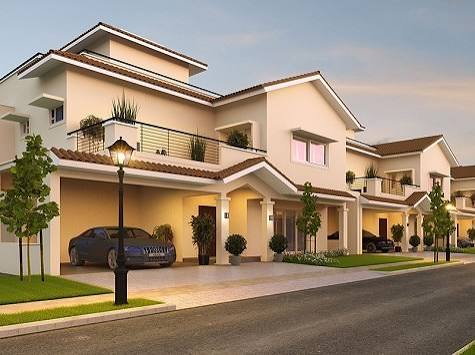
A few years ago, smart homes in India were mostly associated with luxury villas, wealthy homeowners, or futuristic technology showcases. But today, the situation has changed rapidly.
People now use smartphones to control lights, fans, air conditioners, CCTV systems, door locks, curtains, speakers, and even kitchen appliances. Voice assistants have become common inside homes, and many consumers now expect convenience, security, energy efficiency, and modern automation as part of everyday living.
At the same time, India’s urban housing boom, premium apartment culture, rising disposable income, and growing interest in technology-driven lifestyles are creating strong demand for home automation solutions.
This shift has transformed home automation installation from a niche tech service into one of India’s fastest-growing modern service businesses.
Unlike traditional electrical work, home automation combines technology, convenience, security, and lifestyle upgrades together — making it a high-value premium industry with strong future potential.
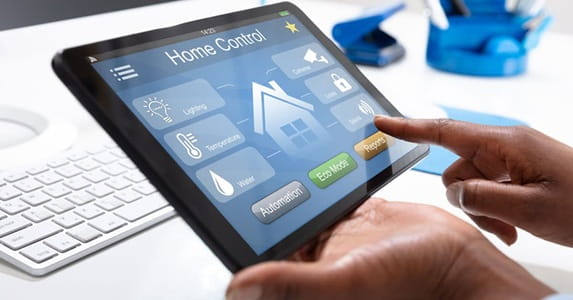
A Business Connected to Smart Living and Modern Housing
India’s smart-home market continues expanding rapidly every year.
Several factors continue driving demand:
- Growth of premium apartments and villas
- Rising smartphone usage
- Increasing demand for home security
- Expansion of IoT and smart-device adoption
- Growth of work-from-home culture
- Consumer interest in luxury and convenience
Modern homeowners increasingly want homes that feel technologically advanced and easy to manage.
Types of Home Automation Businesses
Smart Lighting Installation
Automated and app-controlled lighting systems.
Smart Security and CCTV Systems
Video doorbells, motion sensors, alarms, and surveillance integration.
Voice-Controlled Smart Home Setup
Integration with assistants like Amazon Alexa and Google Home systems.
Smart Appliance Automation
ACs, TVs, curtains, and appliances connected to mobile apps.
Luxury Smart Home Projects
Premium villas and fully automated residential systems.
Commercial Automation Services
Smart offices, conference rooms, and commercial building systems.
Investment Required: Low to Moderate
Home automation businesses usually require more technical knowledge and networking than heavy infrastructure.
A small installation business may require ₹2–10 lakh including:
- Demo products and testing kits
- Tools and installation equipment
- Training and certifications
- Website and marketing
- Transportation and networking
A larger automation company handling luxury projects may require ₹25 lakh–₹2 crore or more depending on inventory, staffing, and showroom setup.
Many businesses initially start through dealership or installation partnerships with automation brands.
Revenue and Profit Potential
Home automation installation can become highly profitable because projects often involve premium pricing and customization.
Revenue sources may include:
- Smart-home installation charges
- Product sales and commissions
- CCTV and security integration
- AMC and maintenance services
- Luxury villa automation projects
- Commercial automation contracts
For example:
- Premium villa automation projects often generate very high billing values.
- Security-system integration improves recurring service opportunities.
- Annual maintenance contracts create stable income streams.
A well-positioned home automation business can generate substantial monthly revenue. Net profit margins generally range between 20–45% depending on technical expertise, supplier partnerships, and project scale.
Businesses targeting luxury residential clients often perform especially well.
What Makes This Business Successful
Technical Knowledge
Installation quality and troubleshooting skills are extremely important.
Strong Builder and Architect Relationships
Construction partnerships create recurring project flow.
Customer Education Ability
Many consumers still need guidance about automation benefits.
Reliable After-Sales Support
Smart systems require maintenance and technical support.
Premium Demonstration Experience
Customers prefer seeing automation systems in action before purchasing.
Challenges to Prepare For
Technology Changes Rapidly
New devices and systems emerge constantly.
Customer Awareness Gap
Some homeowners still view automation as unnecessary luxury spending.
Dependence on Skilled Technicians
Improper installation can damage customer trust quickly.
Brand Competition
Many global and local smart-device brands compete aggressively.
Integration Issues
Different devices and ecosystems may not always work smoothly together.
Businesses that focus on reliable installation and customer support usually build stronger long-term reputation.
How to Increase Profitability
Partner With Builders and Interior Designers
Luxury housing projects create major opportunities.
Create Smart Home Demo Rooms
Live demonstrations improve customer conversion significantly.
Add Security and Surveillance Services
CCTV and access-control systems increase project value.
Offer AMC and Upgrade Packages
Recurring maintenance improves long-term income.
Focus on Premium Urban Markets
High-income homeowners usually adopt automation faster.
Home Automation Business vs Traditional Electrical Contracting
Traditional electrical businesses focus mainly on wiring and power systems. Home automation businesses combine electrical work with smart technology, app integration, security systems, and lifestyle customization.
This creates stronger premium pricing opportunities.
However, technical learning and continuous technology updates are also much more important.
The Future of Home Automation Business in India
The future looks extremely strong. India’s smart-home market, luxury housing sector, and IoT adoption continue expanding rapidly.
Consumers are also becoming increasingly comfortable controlling home systems through smartphones and voice assistants.
At the same time, security concerns, energy-saving technologies, and modern interior-design trends are likely to increase smart-home adoption even further in coming years.
The Verdict
Home automation installation is no longer limited to ultra-luxury futuristic homes. It has evolved into a practical modern service business connected closely to convenience, security, technology, and premium lifestyle living.
Entrepreneurs who maintain strong technical expertise, reliable after-sales support, builder relationships, and customer education skills often build highly scalable service businesses.
In a country where urban housing, smart-device adoption, and technology-driven lifestyles continue growing rapidly, home automation is likely to remain one of India’s strongest future-focused business opportunities.
Frequently Asked Questions (FAQs)
Q1. Which smart-home products are most in demand in India?
Smart lighting, CCTV systems, video doorbells, app-controlled appliances, and voice-assistant integrations usually see the highest demand.
Q2. Why are premium apartments adopting home automation so quickly?
Because automation improves convenience, security, luxury appeal, and property value.
Q3. Is technical knowledge necessary for this business?
Very important. Installation quality, networking setup, and troubleshooting directly affect customer satisfaction.
Q4. What is the biggest challenge in home automation business?
Keeping up with rapidly changing technology and providing reliable after-sales support are major challenges.
Q5. Can small local installers compete against larger automation companies?
Absolutely. Many smaller businesses succeed through personalized service, faster support, and local builder relationships.
Q6. Is home automation still considered a luxury product in India?
In many markets yes, but smart lighting, security systems, and app-controlled devices are gradually becoming more mainstream and affordable.