Yes, the solar business in India can be profitable. But it’s not a simple plug-and-play business. Profit depends on your model—installation, distribution, or manufacturing—along with your technical knowledge, network, and ability to close deals. Some small installers earn steady income, while larger companies handle big projects and make strong profits.
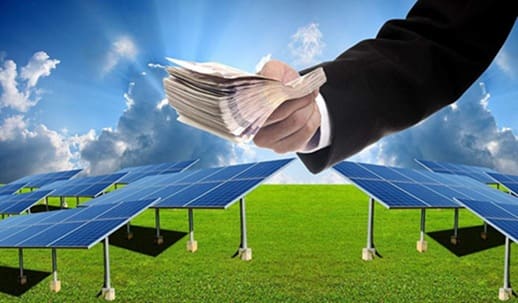
With rising electricity costs and government push toward renewable energy, solar has become one of the fastest-growing sectors in India.
Why Demand is Growing
The reason is simple—people want to save on electricity and use clean energy.
Demand comes from:
- Homeowners (rooftop solar)
- Businesses and factories
- Schools, hospitals, institutions
- Government projects
Government schemes and subsidies are also encouraging people to adopt solar systems.
Types of Solar Businesses
Your income depends on how you enter the market.
1. Solar Installation Business
- Install rooftop systems
- Moderate investment
- High demand
2. Solar Product Distribution
- Sell panels, inverters, batteries
- Margin-based income
- Requires network
3. Solar EPC (Engineering, Procurement, Construction)
- Handle full projects
- High investment
- High profit potential
4. Solar Manufacturing
- Produce panels or components
- Very high investment
- Large-scale profits
Most beginners start with installation or distribution.
Profit Margins in Solar Business
Margins vary based on model.
- Installation: 10% to 25%
- Distribution: 5% to 15%
- Large projects (EPC): 15% to 30%
Example:
- 3kW solar system cost: ₹2 lakh
- Profit margin: ₹20,000–₹50,000
Larger projects bring higher earnings.
Initial Investment Required
Investment depends on your scale.
1. Small Setup (Installer)
- ₹1 lakh to ₹5 lakh
2. Medium Business
- ₹5 lakh to ₹20 lakh
3. Large Company
- ₹20 lakh to ₹1 crore+
Main costs include:
- Tools and equipment
- Inventory (if selling products)
- Marketing
- Skilled staff
Monthly Expenses You Should Consider
Expenses are moderate.
- Staff salaries
- Transportation
- Marketing
- Office expenses
Project-based business means income may not be monthly.
What Makes This Business Profitable
1. Strong Sales Network
More clients = more projects.
2. Technical Knowledge
Understanding systems improves service quality.
3. Government Schemes
Subsidies increase demand.
4. Project Size
Bigger projects = higher profit.
5. After-Sales Service
Good service brings referrals.
How Much Can You Earn?
Example:
If you complete:
- 5 small installations/month
- Profit ₹25,000 per project
Monthly profit = ₹1.25 lakh
With larger projects:
- Profit can go ₹2 lakh+
Big companies earn much more.
Challenges You Should Know
1. High Competition
Many new players are entering.
2. Customer Awareness
Some people still lack knowledge about solar.
3. Payment Delays
Especially in large projects.
4. Technical Issues
Requires skilled work.
5. Policy Changes
Government policies can affect demand.
Is It Better Than Other Businesses?
Compared to businesses like gym or furniture, solar business has higher growth potential but requires technical understanding.
Like the gym business, consistent customers and referrals ensure steady growth .
And similar to the furniture business, long-term value and scaling increase profitability .
Advantages
- Growing industry
- High income potential
- Government support
- Scalable
Disadvantages
- Technical knowledge required
- Competitive market
- Project-based income
Practical Tips to Increase Profit
- Start with installation services
- Learn basic technical skills
- Build local network
- Focus on quality work
- Use digital marketing
- Offer maintenance services
- Target residential + commercial clients
Final Perspective
The solar business in India is not just a business—it’s part of the future. As electricity costs rise and awareness increases, demand will continue to grow.
But success here depends on trust and technical reliability. People invest a large amount in solar systems, so they choose carefully.
If you focus on quality, build a strong network, and stay updated with policies, this business can become highly profitable in the long run.