For generations of Indians, Parle-G has been more than just a biscuit. It has been part of everyday life — a tea-time staple, a childhood memory, a railway-platform snack, and for many families, one of the most affordable packaged foods available.
Few consumer brands in India have achieved the emotional connection and nationwide reach that Parle-G enjoys. Even in 2026, it remains the world’s highest-selling biscuit brand by volume and the undisputed leader of India’s glucose-biscuit category.
But this year marks a major transition for Parle Products.
The company is no longer only making headlines for biscuits. Discussions around a potential IPO and the redevelopment of its iconic Vile Parle factory land are signaling a larger corporate transformation. At the same time, rising raw-material inflation, premium competition, and changing urban food habits are forcing the company to rethink its future growth strategy.
In 2026, Parle-G is trying to balance two identities at once — remaining India’s most trusted mass-market biscuit while also evolving into a more diversified and modern FMCG giant.
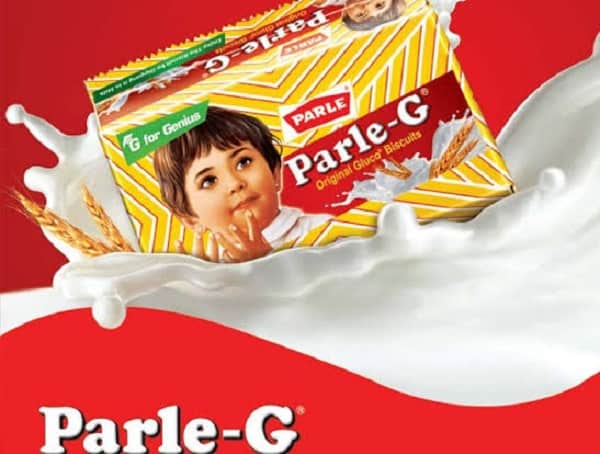
Parle-G Company Overview
| Parameter | Detail |
| Founded | 1929 |
| Headquarters | Mumbai, India |
| Core Brand | Parle-G |
| FY25 Revenue | ~₹15,568 crore |
| Market Position | Largest glucose biscuit brand |
| Distribution Reach | 5+ million outlets |
| Strategic Focus | Premiumization & diversification |
| Major Corporate Event | Potential IPO discussions |
| Key Redevelopment Project | Vile Parle factory land |
Strengths
Dominant market share in glucose biscuits: Parle-G continues to command around 70–80% market share in the glucose biscuit segment, making it one of the strongest FMCG brands in India.
Unmatched distribution network: With presence across more than 5 million retail outlets, Parle’s reach into rural and semi-urban India remains one of its biggest competitive advantages.
Powerful value-for-money positioning: The company has mastered affordable “magic price points” like ₹5 and ₹10 packs, helping it maintain massive volumes even during inflationary periods.
Exceptional legacy and brand trust: Parle-G enjoys emotional loyalty across generations, making it highly resilient against short-term consumer trends.
Strong financial stability: Despite being an unlisted company, Parle Products continues to report strong operational revenue and consistent market leadership.
Weaknesses
Pressure on profit margins: Heavy dependence on low-price products makes the company highly vulnerable to wheat, sugar, and palm-oil inflation.
Low-cost brand perception: While Parle-G’s affordability is a strength, it also limits the brand’s ability to move into premium indulgence categories.
Slower premiumization compared to rivals: Compared to Britannia Industries, Parle has been slower in scaling premium biscuit ranges.
High dependence on biscuits: Although it has confectionery brands, biscuits still dominate the company’s revenue structure.
Limited modern retail and lifestyle positioning: The brand’s image remains stronger in traditional trade than in premium urban retail environments.
Opportunities
Potential IPO and corporate restructuring: IPO discussions could unlock major value, improve visibility, and provide capital for expansion and acquisitions.
Redevelopment of Vile Parle land: The transformation of the iconic Mumbai factory property into a commercial project could generate substantial long-term revenue.
Health and wellness product expansion: Growing demand for healthier snacks creates opportunities for oats, millet, low-sugar, and protein-based biscuit lines.
Growth in confectionery business: Brands like Melody and Kaccha Mango Bite can help diversify the revenue mix beyond biscuits.
Expansion through digital and quick commerce: Online grocery and instant-delivery platforms create new urban distribution opportunities.
Threats
Rising competition from regional players: Local brands like Anmol Industries and Priya Gold are competing aggressively in price-sensitive markets.
Britannia’s premium-market leadership: Britannia continues to dominate higher-margin urban premium categories, where Parle’s presence remains comparatively weaker.
Changing urban snack preferences: Consumers increasingly prefer healthier, premium, or convenience-focused snacks over traditional glucose biscuits.
Quick-commerce disruption: Platforms like Blinkit and Zepto are changing snack-buying behavior in urban areas.
Climate-related raw-material inflation: Weak monsoons and food inflation can significantly affect wheat and sugar costs, squeezing already thin margins.
Verdict
Parle-G in 2026 stands at a rare moment in its history. It remains India’s most trusted and widely consumed biscuit brand, but the company around it is beginning to evolve into something much larger.
Its core strengths — affordability, distribution, and emotional trust — are still incredibly powerful. Few FMCG brands in India enjoy the same level of mass-market penetration.
But the market itself is changing. Urban consumers are moving toward premium, health-focused, and convenience-driven food choices, while rising raw-material costs are putting pressure on traditional low-price models.
The next phase for Parle Products will depend on three critical priorities. First, how effectively it balances mass affordability with premium growth. Second, how successfully it expands beyond biscuits into diversified FMCG categories. And third, how strategically it uses opportunities like the IPO and real-estate monetization to reshape the company’s future.
Parle-G built its legacy by feeding generations of India. In 2026, the challenge is evolving that legacy for a very different consumer era.