When large financial needs arise, many people look for loan options that offer high amounts at reasonable interest rates. Personal loans are quick but expensive. Home loans are cheaper but restricted to buying or constructing a house. This is where a Loan Against Property (LAP) fits in perfectly.
A Loan Against Property allows you to unlock the value of a property you already own—such as a house, flat, or commercial building—without selling it. It is often used for business expansion, education, medical emergencies, debt consolidation, or other major expenses. Because the loan is secured by property, it usually comes with lower interest rates and longer repayment periods compared to unsecured loans.
However, LAP is a serious financial commitment. It offers flexibility and high funding, but it also carries risks that must be understood clearly. This article explains what a Loan Against Property is, its key features, benefits, and limitations.
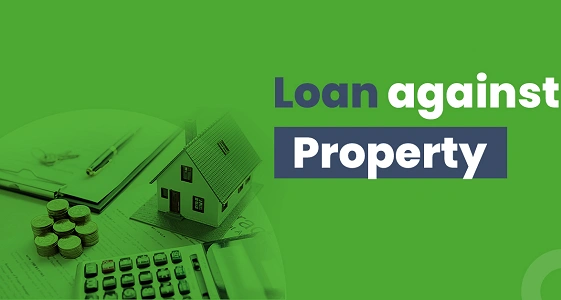
What Is a Loan Against Property (LAP)?
A Loan Against Property is a secured loan in which a borrower pledges a residential or commercial property as collateral to obtain funds from a bank or financial institution. The ownership of the property remains with the borrower, but the lender holds a legal charge on it until the loan is fully repaid.
The loan amount is usually a percentage of the property’s market value, typically ranging from 40% to 70%. Repayment is done through EMIs over a long tenure, which can extend up to 15 or even 20 years in some cases.
Key Features of Loan Against Property
1. High Loan Amount
One of the biggest features of LAP is the high loan amount. Since the loan is backed by property, lenders are willing to offer large sums, making it suitable for major financial needs.
2. Lower Interest Rates
Interest rates on LAP are significantly lower than personal loans and business loans without collateral. This is because the lender’s risk is reduced due to property security.
3. Long Repayment Tenure
LAP offers long repayment periods, usually between 5 and 15 years. A longer tenure helps keep EMIs manageable, even for large loan amounts.
4. Flexible End Use
Unlike home loans, a Loan Against Property can be used for multiple purposes such as business expansion, education, medical treatment, wedding expenses, or consolidating existing debts.
5. Applicable to Residential and Commercial Property
Both residential and commercial properties can be pledged, subject to lender policies. Commercial properties may sometimes get slightly lower loan-to-value ratios.
6. Fixed or Floating Interest Options
Borrowers can choose between fixed or floating interest rates. Floating rates are usually lower but can change with market conditions.
Benefits of Taking a Loan Against Property
1. Access to Large Funds Without Selling Property
The biggest advantage of LAP is that it allows you to use the value of your property without selling it. You continue to own and use the property while meeting your financial needs.
2. Cost-Effective Borrowing
Compared to unsecured loans, LAP is much cheaper in terms of interest cost. This makes it suitable for long-term or high-value expenses.
3. Lower EMI Burden
Thanks to longer tenures and lower interest rates, EMIs are more affordable than personal or business loans of the same amount.
4. Suitable for Business Owners
For self-employed individuals and business owners, LAP is a popular choice to fund expansion, working capital, or equipment purchase without giving up ownership or control.
5. Can Be Used for Debt Consolidation
High-interest debts such as credit cards or personal loans can be combined into a single LAP, reducing overall interest cost and simplifying repayment.
6. Tax Benefits (In Some Cases)
If the loan is used for business purposes, the interest paid may be treated as a business expense, reducing taxable income.
Limitations of Loan Against Property
1. Risk of Losing Property
The biggest drawback of LAP is the risk involved. If EMIs are not paid on time, the lender has the legal right to seize and auction the property.
2. Longer Processing Time
Compared to personal or gold loans, LAP requires property valuation, legal verification, and documentation. This makes the approval process slower.
3. Strict Eligibility Criteria
Lenders carefully evaluate income stability, age, credit score, existing liabilities, and property quality. Not everyone qualifies easily.
4. Lower Loan-to-Value Compared to Home Loan
Unlike home loans that may fund up to 90% of property value, LAP usually offers only 40%–70%, meaning you cannot unlock the full value of the property.
5. Additional Charges
Processing fees, legal fees, valuation charges, and stamp duty increase the overall cost of borrowing.
6. Interest Rate Fluctuation Risk
If you choose a floating interest rate, EMIs may increase if market rates rise, affecting monthly cash flow.
Who Should Consider a Loan Against Property?
A Loan Against Property is suitable if:
- You need a large loan amount
- You own a property with clear title
- Your income is stable enough to handle long-term EMIs
- The loan is being used for productive or important purposes
It may not be ideal for short-term needs or if repayment capacity is uncertain.
Loan Against Property vs Personal Loan
A personal loan is faster and does not require collateral, but it is expensive and short-term. LAP is slower but cheaper and suitable for large, long-term requirements. The right choice depends on urgency, amount needed, and risk tolerance.
Important Points to Consider Before Taking LAP
- Borrow only what you truly need, not the maximum eligible amount
- Keep EMIs within 30–40% of your monthly income
- Maintain an emergency fund separate from loan obligations
- Understand all charges and repayment terms clearly
Conclusion
A Loan Against Property is a powerful financial tool that helps individuals and businesses raise substantial funds at relatively low interest rates. It offers flexibility, affordability, and long repayment periods, making it suitable for major financial goals.
However, it also comes with serious responsibility. Your property is at stake, and any repayment failure can have long-term consequences. Before taking a LAP, evaluate your financial stability, future income prospects, and purpose of borrowing carefully.
When used wisely, a Loan Against Property can support growth, stability, and opportunity. When misused, it can turn a valuable asset into a major financial risk. The decision should always be thoughtful, informed, and conservative.