Life does not always wait for perfect financial planning. Medical emergencies, sudden travel, wedding expenses, education fees, or even a short-term cash crunch can come without warning. In such situations, a personal loan often becomes the quickest and most practical solution. Unlike loans tied to a specific purpose, a personal loan gives you freedom and speed—but it also comes with costs that should not be ignored.
This article explains what a personal loan is, its key features, the benefits it offers, and the limitations you must understand before applying.
What Is a Personal Loan?
A personal loan is an unsecured loan provided by banks, NBFCs, or digital lenders to meet personal financial needs. Since it is unsecured, you do not need to provide any collateral such as property, gold, or a vehicle. The loan amount is repaid in fixed monthly installments, known as EMIs, over a short to medium tenure, usually between 1 and 5 years.
Because there is no security involved, lenders rely heavily on your income, credit score, employment stability, and repayment history to decide eligibility and interest rate.
Key Features of a Personal Loan
1. No Collateral Required
The most important feature of a personal loan is that it is unsecured. You do not have to pledge any asset. This makes it suitable for people who do not own property or do not want to risk their assets.
2. Quick Approval and Disbursal
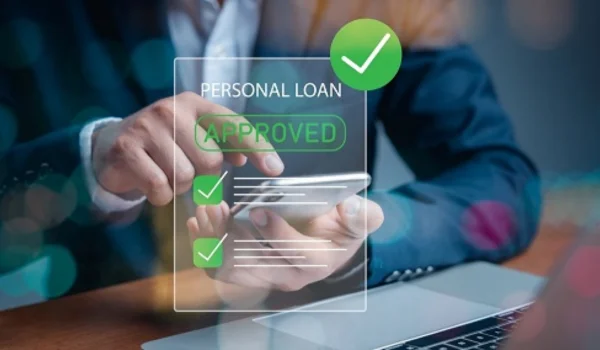
Personal loans are known for fast processing. In many cases, approval and disbursal can happen within 24 to 72 hours, especially for salaried individuals with a good credit score.
3. Flexible End Use
There are no restrictions on how the loan amount is used. You can use it for medical bills, travel, weddings, education, home repairs, or even debt consolidation.
4. Short to Medium Tenure
Personal loans usually have shorter tenures compared to home or education loans. Most lenders offer repayment periods ranging from 12 months to 60 months.
5. Fixed EMIs
Personal loans typically come with fixed interest rates, which means the EMI remains the same throughout the tenure. This helps in easy budgeting and financial planning.
6. Moderate Loan Amount
The loan amount depends on your income and credit profile. Generally, lenders offer personal loans ranging from a few thousand to several lakhs, and in some cases even higher for high-income borrowers.
Benefits of Taking a Personal Loan
1. Immediate Financial Support
The biggest benefit of a personal loan is speed. During emergencies or urgent needs, it provides quick access to funds without long approval procedures.
2. No Asset Risk
Since no collateral is involved, your personal assets remain safe. Even if you face difficulty in repayment, there is no direct risk of losing property or valuables, though credit score impact and legal action are still possible.
3. Simple Documentation
Compared to secured loans, personal loans require minimal paperwork. Identity proof, address proof, income documents, and bank statements are usually sufficient.
4. Useful for Debt Consolidation
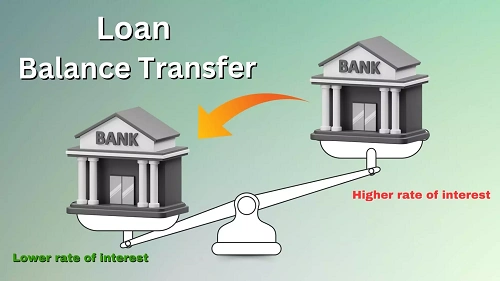
A personal loan can be used to combine multiple high-interest debts, such as credit card dues, into a single EMI. This can simplify repayment and sometimes reduce overall interest burden.
5. Improves Credit Score (If Repaid Properly)
Timely repayment of EMIs helps build or improve your credit score. A good repayment record increases future loan eligibility and can help secure lower interest rates later.
6. No Usage Monitoring
Lenders do not track how the money is spent. This gives complete financial flexibility to the borrower.
Limitations of a Personal Loan
1. Higher Interest Rates
Personal loans have higher interest rates compared to secured loans like home or car loans. This is because the lender carries more risk due to the absence of collateral.
2. Lower Loan Amount Compared to Secured Loans
While personal loans are convenient, the loan amount is usually limited. If you need a large sum, a secured loan may be more suitable.
3. Strict Eligibility Criteria
A stable income and good credit score are essential. Borrowers with low credit scores, irregular income, or high existing debt may face rejection or higher interest rates.
4. Shorter Repayment Period
The shorter tenure means higher EMIs. This can put pressure on monthly cash flow, especially if income is unstable.
5. Penalties and Charges
Personal loans often come with processing fees, late payment penalties, and foreclosure charges. These costs increase the overall expense of borrowing.
6. Impact on Credit Score if Mismanaged
Missing EMIs or defaulting on the loan can seriously damage your credit score. This affects your ability to get loans or credit cards in the future.
When Should You Take a Personal Loan?
A personal loan is suitable when:
- You need funds urgently
- You do not want to pledge any asset
- The expense is short-term or unavoidable
- You are confident about timely EMI repayment
It may not be the best choice for long-term investments or non-essential luxury spending unless you are financially stable.
Personal Loan vs Other Loan Options
Compared to credit cards, personal loans usually have lower interest rates and structured repayment. Compared to secured loans, they are faster but more expensive. Choosing the right option depends on urgency, amount required, and repayment capacity.
Conclusion
A personal loan is a convenient financial tool when used responsibly. It offers speed, flexibility, and freedom from collateral requirements. However, this convenience comes at a cost in the form of higher interest rates and strict repayment discipline.
Before taking a personal loan, assess your real need, compare lenders, check all charges, and calculate EMIs carefully. Borrow only what you can comfortably repay. When used wisely, a personal loan can solve problems. When misused, it can quickly turn into a financial burden.
The key is simple: treat a personal loan as a support tool, not free money.