Starting a business is exciting, but it is also risky. Every startup begins with an idea, energy, and ambition—but very soon, reality sets in. You need money to build a product, hire people, market your idea, manage operations, and survive until revenue becomes stable. For most founders, personal savings and help from family are not enough. External funding becomes necessary early in the journey.
One common funding option is a startup loan. Unlike traditional business loans, startup loans are designed for new or early-stage businesses that may not yet have steady income or long financial history. These loans can provide crucial early support, but they also come with limitations that every founder must understand before borrowing.
Now let’s check out what a startup loan is, its key features, benefits, and limitations.
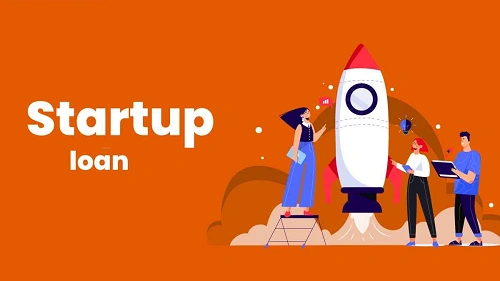
What Is a Startup Loan?
A startup loan is a type of business loan offered to newly established businesses or entrepreneurs who are in the early stages of operations. These loans are meant to help startups cover initial costs such as product development, equipment purchase, technology setup, marketing, office space, and working capital.
Startup loans can be secured or unsecured, depending on the lender, loan amount, and founder’s profile. Since startups often lack financial history, lenders focus on factors like business idea, founder experience, credit score, projected cash flow, and sometimes personal guarantees.
Repayment is usually done through EMIs over a short to medium tenure, generally between 1 and 5 years.
Key Features of a Startup Loan
1. Designed for New Businesses
Startup loans are specifically meant for businesses that are newly registered or in early operational stages, often less than 2–3 years old.
2. Secured and Unsecured Options
Some startup loans are unsecured, requiring no collateral but higher interest. Others may require security such as property, fixed deposits, or a personal guarantee.
3. Moderate Loan Amount
Loan amounts usually start small and increase with business performance. Early-stage startups typically receive limited funding compared to established businesses.
4. Short to Medium Repayment Tenure
Tenures generally range from 12 months to 60 months. Shorter tenures mean faster repayment but higher EMIs.
5. EMI-Based Repayment
Most startup loans follow a fixed EMI structure, making repayment predictable and easier to plan.
6. Business-Purpose Restriction
Funds must be used strictly for business-related expenses such as inventory, technology, hiring, or marketing.
Benefits of Taking a Startup Loan
1. Helps Turn Ideas Into Reality
The biggest benefit of a startup loan is that it provides initial capital to move from idea to execution. Without funding, many good ideas never leave the planning stage.
2. Retains Ownership and Control
Unlike equity funding, startup loans do not require giving up ownership. Founders retain full control over decision-making and future direction of the business.
3. Faster Than Equity Funding
Raising money from investors can take months. Startup loans are usually quicker to arrange, allowing founders to act fast.
4. Builds Business Credit History
Timely repayment of a startup loan helps build a credit profile for the business, which is critical for accessing larger funding later.
5. Useful for Early Operational Needs
Startup loans are ideal for covering early expenses such as website development, machinery, raw materials, licenses, and initial marketing.
6. Encourages Financial Discipline
Regular EMI payments force startups to manage cash flow carefully and prioritize revenue generation early.
Limitations of a Startup Loan
1. Difficult Approval
Startups are considered high-risk. Lack of financial history, unstable revenue, and untested business models make loan approval challenging.
2. Higher Interest Rates
Unsecured startup loans often come with higher interest rates compared to loans for established businesses, increasing overall cost.
3. Repayment Pressure From Day One
EMIs must be paid even if the business is not yet profitable. This can create cash flow stress during the early months.
4. Personal Liability Risk
In many cases, founders must give personal guarantees. If the business fails, personal assets and credit score may be affected.
5. Limited Loan Amount
Startup loans rarely provide large funding. For capital-intensive ideas, the loan amount may not be sufficient.
6. Not Flexible During Downturns
Lenders expect regular repayment regardless of business performance. There is little flexibility if sales are delayed or expenses rise unexpectedly.
Who Should Consider a Startup Loan?
A startup loan may be suitable if:
- You have a clear and realistic business plan
- Initial funding needs are moderate
- You expect early revenue generation
- You are confident about managing EMIs
- You want to retain full ownership
It may not be ideal for high-risk ideas, long gestation businesses, or founders without backup financial support.
Important Things to Consider Before Taking a Startup Loan
- Prepare a detailed business plan with cash flow projections
- Borrow only what is absolutely necessary
- Keep EMI obligations within realistic limits
- Maintain a personal emergency fund
- Understand all charges, not just interest rate
Debt should support growth, not choke it.
Common Uses of Startup Loans
- Product or service development
- Equipment and machinery purchase
- Technology and software setup
- Initial marketing and branding
- Office setup and working capital
Using the loan for non-productive expenses can quickly create problems.
Conclusion
A startup loan can be a valuable stepping stone for new entrepreneurs who want to turn ideas into businesses without giving up ownership. It offers structured funding, faster access to capital, and helps build financial discipline and credit history.
However, startup loans are not easy money. They come with higher risk, strict repayment obligations, and personal responsibility. Many startups fail not because the idea was bad, but because cash flow was mismanaged under loan pressure.
Before taking a startup loan, founders must honestly evaluate their business model, revenue timeline, and repayment capacity. When used carefully, a startup loan can fuel early growth. When taken without planning, it can become a burden before the business even finds its footing.
In startups, timing matters—but financial discipline matters even more.