In modern agriculture, a tractor is no longer a luxury—it is a necessity. From ploughing and sowing to harvesting and transportation, tractors play a vital role in improving farm productivity and reducing dependence on manual labour. With rising labour costs and the need for timely farming operations, owning a tractor has become essential for many farmers and agri-entrepreneurs.
However, tractors are expensive machines, and paying the full amount upfront is not easy for most farmers. This is where a tractor loan becomes important. A tractor loan helps farmers purchase new or used tractors by spreading the cost over several years, making mechanisation affordable and accessible.
Let’s understand what a tractor loan is, its key features, benefits, and limitations.
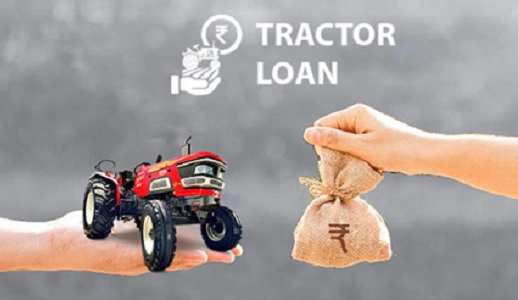
What Is a Tractor Loan?
A tractor loan is a type of agricultural loan offered by banks, cooperative banks, regional rural banks, NBFCs, and tractor finance companies to help farmers buy tractors and related farm equipment. The loan is usually secured, with the tractor itself acting as collateral.
The borrower repays the loan in fixed installments over a period that generally ranges from 3 to 7 years. Repayment schedules are often aligned with crop cycles, making it easier for farmers to manage payments after harvest.
Tractor loans are available for both new tractors and used tractors, although terms may differ slightly.
Key Features of a Tractor Loan
1. High Loan Coverage
Most lenders finance a large portion of the tractor’s cost. Depending on the borrower’s profile and the lender’s policy, financing can go up to 80%–90% of the tractor’s on-road price.
2. Flexible Repayment Tenure
Tractor loans usually offer repayment tenures ranging from 36 months to 84 months. Longer tenures reduce installment burden and suit seasonal agricultural income.
3. Repayment Linked to Crop Cycle
Many lenders allow flexible repayment options such as half-yearly or annual installments instead of strict monthly EMIs. This aligns repayments with harvest income.
4. Competitive Interest Rates
Interest rates on tractor loans are generally lower than personal or business loans because the loan is secured and supported under agricultural lending.
5. New and Used Tractor Financing
Farmers can take loans for new tractors as well as second-hand tractors. Used tractor loans may have slightly higher interest rates and shorter tenures.
6. Simple Documentation
Documentation requirements are relatively simple, especially for existing farmers. Basic KYC documents, land records, and income details are usually sufficient.
Benefits of Taking a Tractor Loan
1. Improves Farm Productivity
The biggest benefit of a tractor loan is improved efficiency. Mechanised farming saves time, reduces labour dependency, and allows timely completion of farming activities.
2. Affordable Ownership
Instead of paying the full cost upfront, farmers can own a tractor by paying small installments over time. This makes modern equipment accessible even to small and marginal farmers.
3. Supports Multiple Income Sources
Apart from own farming, tractors can be rented out to other farmers. This creates an additional income stream and helps repay the loan faster.
4. Reduces Long-Term Costs
Although there is an initial investment, owning a tractor reduces recurring expenses on hired machinery and labour in the long run.
5. Encourages Modern Farming Practices
Tractor loans help farmers adopt modern agricultural techniques, use advanced implements, and increase crop yield and quality.
6. Government Support and Subsidies
In some cases, tractor purchases may be supported by government subsidy schemes, reducing the effective cost of ownership.
7. Builds Credit History
Regular repayment of tractor loan installments helps farmers build a good credit record, making it easier to access future agricultural or business loans.
Limitations of a Tractor Loan
1. Risk of Income Uncertainty
Agricultural income depends on weather, crop yield, and market prices. Poor harvests can make repayment difficult, even with flexible terms.
2. Collateral Risk
Since the tractor is pledged as security, failure to repay the loan can result in repossession of the tractor by the lender.
3. Additional Ownership Costs
Apart from loan installments, farmers must bear fuel costs, maintenance, repairs, insurance, and registration charges.
4. Interest Cost Over Time
Although interest rates are moderate, the total interest paid over several years increases the overall cost of the tractor.
5. Limited Use for Small Landholders
For farmers with very small landholdings, a tractor may not be fully utilised, making loan repayment less economical.
6. Processing and Approval Delays
In some cases, loan approval may take time due to land verification, documentation, or subsidy-related procedures.
Who Should Consider a Tractor Loan?
A tractor loan is suitable if:
- You are actively engaged in farming or allied activities
- You have sufficient land or regular tractor usage needs
- You can repay installments from farm income or rental earnings
- You want to reduce dependence on hired machinery
It may not be ideal for farmers with very small landholdings or irregular income without backup repayment support.
Important Points to Consider Before Taking a Tractor Loan
- Choose a tractor model that suits your land size and farming needs
- Do not borrow the maximum amount unless necessary
- Check total loan cost, not just the interest rate
- Plan repayment according to crop cycles and income
- Keep funds aside for maintenance and emergencies
Smart planning ensures that the tractor becomes an asset, not a burden.
Conclusion
A tractor loan is a powerful tool that supports agricultural mechanisation and boosts farm productivity. It allows farmers to own essential machinery without heavy upfront investment and helps improve efficiency, income potential, and long-term sustainability.
However, like all loans, a tractor loan comes with responsibility. Income uncertainty, maintenance costs, and repayment obligations must be carefully considered before borrowing. Farmers should evaluate their land size, usage needs, and repayment capacity honestly.
When used wisely, a tractor loan can transform farming operations and improve livelihoods. When taken without proper planning, it can add financial pressure. The key lies in informed decision-making, disciplined repayment, and using the tractor to its full productive potential.