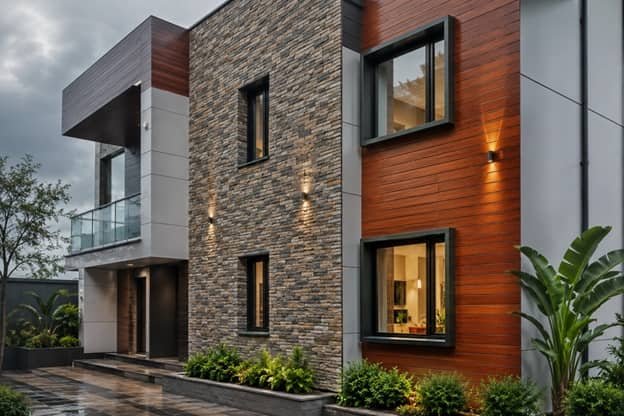
Look around any modern Indian city today and aluminum is everywhere. Glass office buildings, apartment balconies, sliding windows, shopfronts, modular kitchens, warehouse structures, commercial partitions, railings, and industrial sheds all heavily depend on aluminum fabrication work.
A few decades ago, steel and wood dominated most construction and structural projects. But modern architecture and urban construction trends have changed rapidly. Builders now prefer materials that are lightweight, rust-resistant, durable, modern-looking, and easier to maintain. Aluminum fits perfectly into that demand.
At the same time, India’s real-estate growth, commercial construction, smart-city projects, and interior-design industry continue expanding rapidly. This has quietly transformed aluminum fabrication into one of India’s strongest practical service-and-manufacturing businesses.
Unlike many online businesses driven by digital trends, aluminum fabrication is tied directly to physical infrastructure and construction activity — industries that continue operating year after year.
A Business Connected to Modern Construction
Aluminum fabrication demand rises naturally with urban development.
Several factors continue driving market growth:
- Expansion of residential apartments
- Growth of commercial office spaces
- Increasing use of glass-and-aluminum architecture
- Demand for modular interiors
- Industrial warehouse construction
- Preference for rust-resistant lightweight materials
Builders and architects increasingly choose aluminum because it combines functionality with modern aesthetics.
Types of Aluminum Fabrication Businesses
1. Aluminum Window and Door Fabrication
Sliding windows, partitions, and modern door systems.
2. Structural Aluminum Fabrication
Industrial sheds, commercial structures, and framework installations.
3. Interior Aluminum Fabrication
Modular partitions, kitchen fittings, and decorative work.
4. Glass and Aluminum Work
Office cabins, façades, and showroom installations.
5. Industrial Fabrication Services
Custom aluminum products for factories and engineering industries.
6. Architectural Fabrication
Designer aluminum work for premium projects and luxury spaces.
Investment Required: Moderate to High
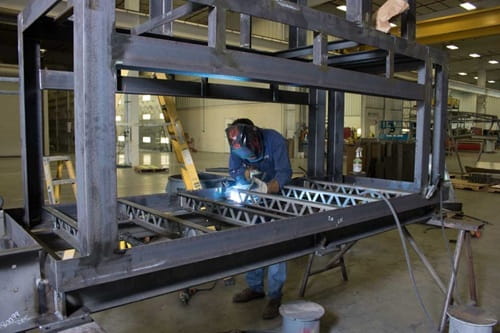
Aluminum fabrication businesses require machinery, workspace, and skilled labour.
A small workshop setup may require ₹5–20 lakh including:
- Cutting machines
- Welding and drilling tools
- Aluminum stock and raw materials
- Workshop or shed setup
- Labour and transportation
A larger fabrication unit with automated machinery and commercial-scale projects may require ₹50 lakh–₹5 crore or more depending on production scale.
The investment also depends heavily on whether the business focuses on retail fabrication or large contractor projects.
Raw Materials and Tools Used
Common materials and equipment include:
- Aluminum sections and profiles
- Glass panels
- Fasteners and fittings
- Cutting and polishing machines
- Drilling and welding tools
- Sealants and installation accessories
Material quality directly affects durability and finishing quality.
Revenue and Profit Potential
Aluminum fabrication can become highly profitable because construction projects often involve large-value orders.
Revenue sources may include:
- Residential window and door projects
- Commercial office installations
- Builder contracts
- Industrial fabrication orders
- Glass partition projects
- Repair and maintenance services
For example:
- Commercial office projects usually generate high billing values.
- Modular office partitions create repeat demand.
- Premium architectural fabrication commands stronger margins.
A well-managed aluminum fabrication business can generate substantial monthly revenue. Net profit margins generally range between 15–35% depending on labour efficiency, project scale, and raw material management.
Businesses with strong contractor and builder networks often scale especially fast.
What Makes This Business Successful
1. Precision and Finishing Quality
Customers care heavily about appearance and fitting quality.
2. Skilled Labour Team
Fabrication accuracy depends heavily on worker expertise.
3. Strong Contractor Relationships
Builders and architects can provide recurring large projects.
4. Timely Project Completion
Construction timelines are often strict.
5. Material Quality
Low-quality aluminum quickly damages business reputation.
Challenges to Prepare For
1. Raw Material Price Fluctuation
Aluminum prices may rise unpredictably.
2. Skilled Labour Dependency
Experienced fabricators are extremely important.
3. Heavy Competition
Local workshops compete aggressively on pricing.
4. Payment Delays
Large construction projects sometimes delay payments.
5. On-Site Installation Risks
Measurement mistakes can cause expensive losses.
Businesses that focus on professional finishing and reliability usually build stronger long-term reputation.
How to Increase Profitability
1. Partner With Builders and Architects
Construction partnerships create consistent project flow.
2. Add Glass and Modular Interior Services
Bundled services improve billing value.
3. Focus on Premium Residential Projects
Luxury apartments and villas often provide better margins.
4. Invest in Better Finishing Equipment
High-quality finishing improves customer referrals significantly.
5. Build Strong Local Branding
Word-of-mouth remains extremely powerful in fabrication businesses.
Aluminum Fabrication vs Steel Fabrication Business
Steel fabrication is generally preferred for heavy structural strength and industrial use. Aluminum fabrication focuses more on lightweight modern applications, aesthetics, corrosion resistance, and interior architecture.
This creates stronger opportunities in urban residential and commercial projects.
However, aluminum work also demands higher finishing precision and modern design understanding.
The Future of Aluminum Fabrication Business in India
The future looks extremely strong. India’s urban construction, commercial real-estate expansion, smart-city development, and premium interior-design trends continue growing rapidly.
Modern architecture increasingly uses aluminum-and-glass combinations because of their clean appearance and durability.
At the same time, modular office culture, showroom construction, and contemporary residential design are creating fresh opportunities for skilled fabricators.
The Verdict: A Construction-Driven Business With Strong Long-Term Demand
Aluminum fabrication is not a trend-based business dependent on internet hype or changing online algorithms. It is a practical infrastructure-linked business tied directly to India’s urban development and modern construction growth.
Entrepreneurs who maintain strong finishing quality, skilled labour teams, reliable project delivery, and builder relationships often build stable and scalable businesses over time.
In a country where apartments, offices, commercial spaces, and modern buildings continue rising rapidly, aluminum fabrication is likely to remain one of India’s strongest long-term construction-related business opportunities.
Frequently Asked Questions (FAQs)
A: Commercial office partitions, glass façade projects, premium sliding windows, and modular installations often provide stronger margins.
Q2. Why is aluminum becoming more popular in construction?
A: Because it is lightweight, rust-resistant, durable, modern-looking, and easier to maintain compared to many traditional materials.
Q3. Is skilled labour important in this business?
A: Extremely important. Fabrication quality, measurements, and finishing depend heavily on worker expertise.
Q4. What is the biggest challenge in aluminum fabrication?
A: Managing raw material costs and maintaining consistent finishing quality are major challenges.
Q5. Can small fabrication workshops compete against larger companies?
A: Yes. Many smaller workshops succeed through local contractor relationships, custom work, and faster service.
Q6. Is this business dependent only on residential construction?
A: No. Commercial offices, showrooms, warehouses, factories, and industrial projects also generate major aluminum fabrication demand.