Yes, the JCB business in India can be profitable. But it’s not a small or easy business. It requires high investment, proper planning, and consistent work contracts. When managed well, it can generate strong monthly income. But if your machine stays idle, profits can drop quickly.
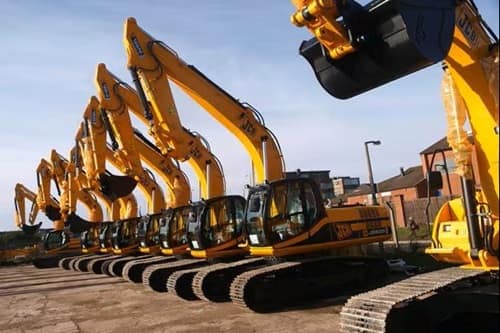
In India, construction is growing rapidly—roads, buildings, highways, and infrastructure projects. Machines like backhoe loaders (commonly called JCB) are used almost everywhere. That’s why demand exists.
Why Demand is Growing
The reason is simple—construction never stops.
Demand comes from:
- Road construction projects
- Real estate development
- Government infrastructure work
- Small contractors and builders
Cities like Bhubaneswar are expanding fast, with new roads, apartments, and commercial spaces. All of this creates regular demand for machines.
Types of JCB Business Models
Your income depends on how you use the machine.
1. Rental Business (Most Common)
- Rent your machine to contractors
- Charge hourly or daily
- Steady income if work is regular
2. Contract-Based Work
- Take full project work
- Higher earnings
- More responsibility
3. Subcontracting
- Work under bigger contractors
- Less risk
- Lower margins
Most beginners start with rental and later move to contracts.
Profit Margins in JCB Business
Margins can be good if machine utilization is high.
- Average margin: 30% to 50%
Example:
- Rental rate: ₹800–₹1,500 per hour
- Daily earning (8 hours): ₹6,000–₹12,000
After expenses:
- Daily profit: ₹2,000–₹5,000 (approx.)
Monthly income depends on how many days the machine is working.
Initial Investment Required
This is the biggest challenge.
1. New JCB Machine
- ₹25 lakh to ₹40 lakh
2. Used JCB Machine
- ₹10 lakh to ₹25 lakh
3. Additional Costs
- Registration
- Insurance
- Transport
Most people buy through loans or EMI.
Monthly Expenses You Should Consider
Running costs are high.
- Diesel (major expense)
- Operator salary
- Maintenance and repairs
- Loan EMI (if any)
- Transport cost
Even when the machine is idle, EMI and some costs continue.
What Makes This Business Profitable
1. Machine Utilization
The more your machine works, the more you earn.
- Idle machine = loss
2. Strong Contractor Network
Connections bring work.
- Builders
- Contractors
- Government projects
3. Skilled Operator
Good operator = efficient work
- Faster job completion
- More projects
4. Maintenance
Well-maintained machine reduces breakdowns.
- Less repair cost
- More uptime
5. Location Advantage
Areas with ongoing construction bring more opportunities.
How Much Can You Earn?
Example:
If your machine works:
- 20 days/month
- ₹8,000 per day
Monthly revenue = ₹1.6 lakh
After expenses:
- Profit can be ₹50,000 to ₹80,000
With higher usage:
- Profit can go above ₹1 lakh/month
Challenges You Should Know
1. High Investment
Machines are expensive.
2. Idle Time Risk
No work = no income.
3. Maintenance Cost
Repairs can be costly.
4. Fuel Cost
Diesel prices affect profit.
5. Competition
Many machine owners compete for contracts.
Is It Better Than Other Businesses?
Compared to businesses like gym or furniture, JCB business has higher earning potential but also higher risk.
Like the gym business, consistent usage (customers/projects) is key for stable income .
And similar to the furniture business, long-term planning and asset value play an important role .
Advantages
- High income potential
- Strong demand
- Scalable (add more machines)
- Works in growing sectors
Disadvantages
- High investment
- Risk of idle machine
- High maintenance cost
Practical Tips to Increase Profit
- Build strong contractor contacts
- Keep machine running regularly
- Hire skilled operator
- Maintain machine properly
- Avoid long idle periods
- Work in high-construction areas
Final Perspective
The JCB business in India is not for everyone. It requires capital, patience, and strong connections. But once you get regular work, it can become a powerful income source.
This is a business where one machine can earn for you daily—if it is working.
That’s the key. Not ownership, but utilization.
If you can keep your machine busy and manage costs properly, this business can give stable and long-term profits. Over time, many owners expand by adding more machines and building a full fleet.