India’s online fashion market has changed dramatically over the last few years. Shopping is no longer just about discounts or branded apparel. Consumers now expect trend discovery, influencer-driven recommendations, instant delivery, AI styling assistance, and a shopping experience that feels closer to social media than traditional e-commerce.
In the middle of that transformation, Myntra is trying to redefine itself from a simple fashion marketplace into a full-scale “tech-fashion” ecosystem.
Owned by Flipkart and backed by Walmart, Myntra has strengthened its position as one of India’s leading online fashion destinations. But in 2026, its biggest advantage is no longer just scale — it is cultural relevance among younger consumers.
The company’s Gen-Z-focused platform, FWD, has already crossed 10 million users, while AI-driven tools like MyStylist and Maya are changing how customers search, discover, and shop for fashion online. At the same time, beauty and personal care are becoming a major revenue engine, helping Myntra move beyond apparel.
Still, the market remains brutally competitive. Ajio, fast-fashion startups, and quick-commerce platforms are all fighting for the same digitally native customer base.
In 2026, Myntra is no longer just an online fashion app. It is competing to become India’s dominant lifestyle and trend-discovery platform.
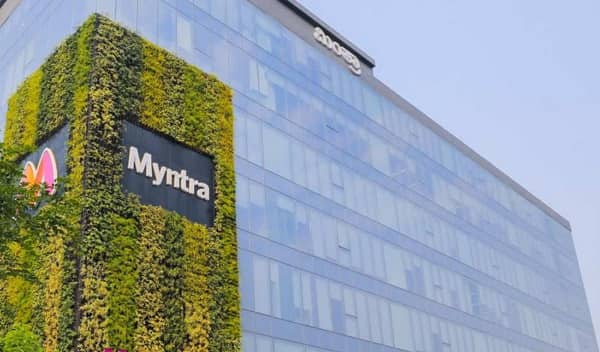
Myntra Company Overview
| Parameter | Detail |
| Parent Company | Flipkart / Walmart |
| Headquarters | Bengaluru, India |
| Active Customer Base | 45+ million |
| Gen-Z Platform | FWD |
| FWD User Base | 10+ million |
| Key Growth Segment | Beauty & Personal Care |
| AI Utilization | 35% of searches AI-assisted |
| Strategic Focus | AI, Gen-Z & Premium Fashion |
| Major Trend | 60-minute fashion delivery pilots |
Strengths
Strong dominance among Gen-Z consumers: Myntra’s dedicated youth-focused platform, FWD, has become one of the company’s biggest strengths. Creator-led commerce and trend-focused collections have made it highly popular among younger shoppers.
Advanced AI and personalization ecosystem: Tools like MyStylist and Maya use Generative AI to deliver personalized recommendations, improving customer engagement and conversion rates.
Strong portfolio of private labels: Brands like Roadster, HRX, and Mast & Harbour contribute significantly to margins and help reduce dependence on external brands.
Premium and international brand partnerships: Myntra remains the preferred platform for many global fashion brands entering India, strengthening its premium positioning.
Rapid growth in Beauty & Personal Care (BPC): Myntra Beauty has expanded aggressively with over 1,500 brands, leveraging the existing fashion customer base for cross-selling.
Weaknesses
High return rates in fashion e-commerce: Returns remain a major operational challenge, with fashion return rates still hovering around 25–30%.
Urban-heavy customer concentration: Most high-value users remain concentrated in metro and Tier-1 cities, making the platform more sensitive to urban demand cycles.
Heavy marketing and influencer spending: Maintaining visibility in India’s competitive fashion market requires continuous spending on creators, celebrities, and campaigns.
Dependence on discount-driven sales events: Large sales events like EORS remain critical for growth momentum, increasing pressure on margins.
Limited offline presence compared to omnichannel rivals: Unlike Reliance-backed competitors, Myntra lacks a large physical retail network.
Opportunities
Growth of sneaker and streetwear culture: The rise of sneaker-focused youth culture gives Myntra opportunities in high-ticket and collectible fashion categories.
Quick-commerce integration for fashion essentials: “Myntra 60-Minute” delivery pilots can help capture convenience-driven urban consumers.
Expansion of loyalty ecosystem through Insider: The Myntra Insider program is evolving beyond shopping into lifestyle experiences and event-based engagement.
Sustainable and conscious fashion demand: The “Myntra for Earth” initiative allows the platform to attract environmentally conscious shoppers.
Beauty and personal care expansion: BPC continues to grow rapidly and offers significantly better margins than traditional fashion retail.
Threats
Aggressive competition from Ajio and Tira: Reliance Retail-backed platforms continue to invest heavily in omnichannel fashion and beauty.
Rise of ultra-fast fashion startups: New-age brands using AI-driven trend cycles are launching hundreds of designs weekly, creating pressure on Myntra’s seasonal inventory model.
Regulatory scrutiny on e-commerce practices: Stricter rules around dark patterns, promotions, and consumer protection could affect traditional sales tactics.
Weakening discretionary spending: Fashion remains a discretionary category and is vulnerable during periods of economic slowdown.
Increasing logistics and return costs: Reverse logistics remains expensive and directly impacts profitability.
Verdict
Myntra in 2026 is evolving from an e-commerce platform into a technology-driven fashion ecosystem. Its biggest advantage today is its ability to stay culturally connected with younger consumers while simultaneously integrating AI deeply into the shopping experience.
The company has successfully positioned itself as India’s fashion authority for Gen-Z and premium urban shoppers. Strong private labels, growing beauty sales, and advanced personalization tools are helping strengthen its moat.
But the battle is becoming more intense. Fashion cycles are accelerating, competition is becoming more aggressive, and consumers increasingly expect instant gratification.
The next phase for Myntra will depend on three key priorities. First, how effectively it scales AI-driven shopping experiences. Second, how successfully it expands beyond metro-heavy growth. And third, how well it balances premium positioning with affordability in a slowing discretionary-spending environment.
Myntra built its success around fashion discovery. In 2026, the challenge is becoming the platform where India’s next generation discovers lifestyle itself.