Yes, the rice business in India can be profitable. But it’s not a quick-margin business. Profit depends on volume, sourcing price, quality, and distribution. Some small traders earn steady income, while mill owners and branded sellers make much higher profits over time.
Rice is a staple food in India. From daily meals to large-scale supply in hotels and government schemes, demand is constant throughout the year. That’s why this business has long-term stability.
Why Demand is Growing
The reason is simple—rice is a daily necessity.
Demand comes from:
- Household consumption
- Hotels and restaurants
- Retail shops and wholesalers
- Government supply programs
In many states, rice is consumed daily, which ensures continuous demand regardless of season.
Types of Rice Businesses
Your income depends on the model you choose.
1. Rice Trading Business
- Buy and sell rice in bulk
- Low setup cost
- Margin-based income
2. Rice Retail Shop
- Sell directly to customers
- Better margins
- Local demand
3. Rice Mill Business
- Process paddy into rice
- High investment
- Higher profit potential
4. Branded Rice Business
- Pack and sell under your brand
- Premium pricing
- Requires marketing
Many successful businesses combine trading + branding.
Profit Margins in Rice Business
Margins are moderate but stable.
- Trading: 5% to 10%
- Retail: 10% to 20%
- Branded rice: 15% to 30%
Example:
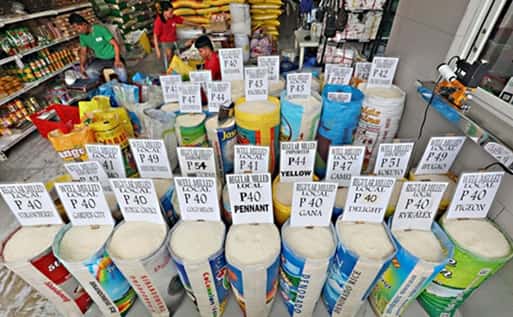
- Purchase price per kg: ₹30
- Selling price: ₹35–₹45
Profit increases with scale.
Initial Investment Required
Investment depends on scale.
1. Small Trading Setup
- ₹1 lakh to ₹5 lakh
2. Retail Shop
- ₹5 lakh to ₹15 lakh
3. Rice Mill Setup
- ₹20 lakh to ₹1 crore+
Main costs include:
- Stock purchase
- Storage space
- Transportation
- Packaging
Monthly Expenses You Should Consider
Expenses are ongoing.
- Inventory purchase
- Transportation
- Labor
- Storage
- Rent
Working capital is important in this business.
What Makes This Business Profitable
1. Bulk Sales
This is a volume-based business.
- More sales = more profit
2. Low Procurement Cost
Buying at the right price increases margin.
3. Quality Selection
Good quality rice attracts repeat customers.
4. Strong Distribution Network
Selling to multiple buyers ensures steady income.
5. Branding Opportunity
Branded rice sells at higher prices.
How Much Can You Earn?
Example:
If you sell:
- 5,000 kg/month
- Profit ₹5 per kg
Monthly profit = ₹25,000
With larger scale:
- 20,000 kg → ₹1 lakh profit
Rice mills and branded businesses earn much more.
Challenges You Should Know
1. Low Margins
Profit per kg is limited.
2. Price Fluctuation
Market prices can change.
3. Storage Requirement
Rice needs proper storage.
4. Competition
Many traders exist.
5. Working Capital
You need money to hold stock.
Is It Better Than Other Businesses?
Compared to businesses like gym or furniture, rice business is more stable but less high-margin.
Like the gym business, consistent customers ensure steady income .
And similar to the furniture business, scale and efficiency increase long-term profitability .
Advantages
- Essential product
- Consistent demand
- Scalable
- Stable business
Disadvantages
- Low margins
- Price fluctuations
- Capital requirement
Practical Tips to Increase Profit
- Buy rice at low cost (direct from farmers or mills)
- Focus on bulk buyers
- Maintain quality
- Build strong network
- Reduce transportation cost
- Consider branding
- Scale gradually
Final Perspective
The rice business in India is not about high margins—it’s about consistency and scale.
You won’t make big money from small sales. But once you build volume and strong buyer connections, income becomes steady.
This is a traditional business that still works today because demand never goes away.
If you manage costs, maintain quality, and grow gradually, it can become a reliable and profitable long-term business.